Monday & Wednesday
8:00 am - 5:00 pm
Tuesday & Thursday
7:30 am - 4:00 pm
704-549-8878
Call Us Today!
SERVICIOS EN ESPAÑOL
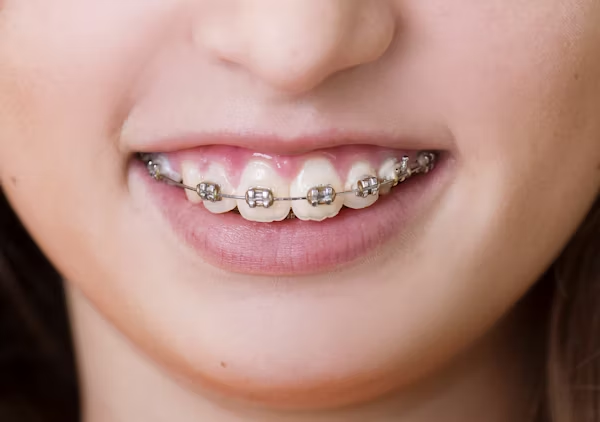
How early should children see an orthodontist? And more importantly, how young can you be to get braces? These questions are common among parents who want to support their child’s oral development from the very beginning. While the idea of braces often brings to mind teenagers—and flashbacks of metal brackets in yearbook photos—many children benefit from much earlier orthodontic evaluations.
Modern orthodontics has shifted dramatically. Today’s treatments are proactive, strategic, and individualized. Practices like Smart Orthodontics in Charlotte, North Carolina, use advanced methods and a family-centered approach to ensure children receive the safest, most effective guidance at the right time.
Let’s explore the complete breakdown of when—and why—children may need braces earlier than you think.
It’s a common question for families: how young can you be to get braces? In general, most children who need braces begin treatment between ages 10 and 14, but certain conditions require earlier intervention, sometimes as young as 6–7 years old.
Treatment decisions depend on jaw development, tooth eruption, bite patterns, and specific orthodontic concerns. Understanding these factors helps parents make informed choices at each stage of their child’s growth.
Improper bite alignment affects chewing, speech, and long-term jaw health. Braces correct these issues by guiding teeth and jaw structure into harmonious alignment.
Crowded teeth can overlap, twist, or grow in abnormal positions. Conversely, spacing gaps create aesthetic and functional concerns. Braces balance spacing for proper alignment.
Orthodontists can identify jaw irregularities early. When caught in childhood, growth-guiding appliances can reshape the developing jaw to avoid surgery later in life.
The AAO recommends every child have their first orthodontic evaluation no later than age 7.
Around age 7, children have a mix of baby and permanent teeth, allowing orthodontists to spot developing issues invisible during earlier years.
Braces depend heavily on proper bone growth. Some treatments must wait until a child’s jaw matures.
If baby teeth haven’t fallen out, orthodontists may wait for clearer spacing.
Phase 1 treatment addresses pressing problems before all adult teeth erupt.
Early treatments focus on jaw development, functional improvement, and future tooth guidance.
If your child struggles with certain foods, bite misalignment may be the cause.
These can signal narrow jaws or airway issues.
Both can disrupt permanent tooth alignment.
Phase 2 usually occurs between 11–14 years old, once most adult teeth have erupted.
This is the traditional braces timeframe, ideal for fine-tuning alignment.
Phase 1 sets the foundation; Phase 2 perfects the results.
Orthodontists monitor how teeth erupt to decide if/when braces are necessary.
Puberty growth significantly affects jaw development—timing braces accordingly improves results.
Routine orthodontic checkups ensure intervention happens at the right moment.
Yes—many 10-year-olds are excellent candidates for braces, especially if permanent teeth are in place and alignment issues are clear. This age sits comfortably between early intervention and teen treatment.
(Featuring Smart Orthodontics)
Early care takes advantage of natural bone growth, making complex issues simpler to resolve.
Early guidance often reduces overall treatment time.
Correcting crowding early prevents the need for removing permanent teeth.
These reveal hidden teeth, bone structure, and eruption patterns.
Hands-on evaluations confirm alignment issues.
Orthodontists use growth predictions to personalize treatment timing.
Durable, reliable, and perfect for children who enjoy picking colorful bands.
More discreet, but typically used for older children or teens.
These guide jaw growth and tooth spacing before braces.
Most kids adapt within a week—braces become part of their daily routine.
Mild soreness is normal and can be relieved with wax, saltwater rinses, or soft foods.
Crossbites can shift the jaw and require early correction.
Persistent habits can reshape dental arches.
Early space management prevents complications.
These widen the upper jaw to allow proper eruption.
Used to treat specific problem areas in younger kids.
Help correct growth patterns before full braces.
6–12 months on average.
Children wear retainers to maintain early progress.
Phase 2 usually happens once most adult teeth arrive, typically ages 11–14.
Brushing and flossing become even more important with braces.
Consistency ensures faster and better results.
Appointments help track progress and make timely adjustments.
Braces typically range from $3,000–$7,000, depending on treatment complexity.
Many plans cover medically necessary early orthodontics.
Most practices—including Smart Orthodontics—offer flexible, family-friendly financing.
Early jaw guidance supports balanced growth.
Aligned teeth are easier to clean and maintain.
Addressing problems early prevents bigger issues down the road.
Located in Charlotte, North Carolina, Smart Orthodontics offers comprehensive care for families seeking a warm, professional, and personalized orthodontic experience. Our mission is simple: “We love to see you smile!”
We work with patients of all ages—from early childhood to adulthood—and believe it is never too late to start treatment.
Smart Orthodontics ensures every treatment plan is tailored to the individual, providing outstanding results in a caring and energetic environment.
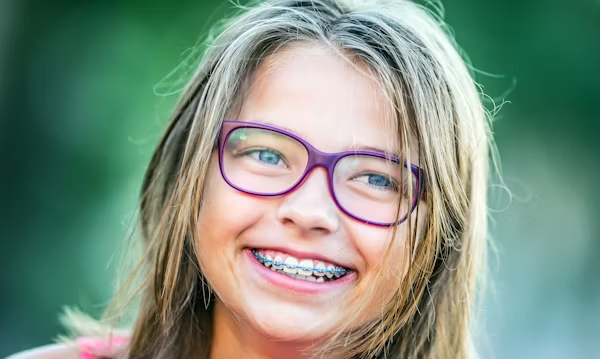
Understanding how young you can be to get braces empowers parents to make confident, informed decisions. Early evaluations, timely intervention, and a personalized approach can transform your child’s oral health, confidence, and long-term well-being.
When cared for in the right environment—like Smart Orthodontics—children experience orthodontic treatment that is supportive, comfortable, and designed to bring out their very best smile.
Some children begin Phase 1 treatment as early as 6–7 years old, depending on specific issues.
Yes. Early braces or appliances can be used even when baby teeth are still present.
Mild discomfort is normal but temporary. Most children adjust quickly.
Often, yes. Phase 1 sets the foundation; Phase 2 perfects alignment.
Their team offers expert evaluations, complimentary consultations, and personalized treatment plans to identify the ideal age for your child’s orthodontic journey.
Check out Smart Orthodontics Office hours to plan your visit.