Monday & Wednesday
8:00 am - 5:00 pm
Tuesday & Thursday
7:30 am - 4:00 pm
704-549-8878
Call Us Today!
SERVICIOS EN ESPAÑOL

Learning how to clean retainers is an essential part of maintaining both your oral health and the results of your orthodontic treatment.
Retainers play a crucial role in keeping your teeth properly aligned, but without proper care, they can accumulate bacteria, odors, and buildup—much like any dental appliance worn daily. Keeping them clean helps preserve their longevity and ensures your smile stays fresh and healthy.
With guidance from orthodontic experts—such as the team at Smart Orthodontics—you can establish straightforward, effective cleaning routines that keep your retainers safe, sanitary, and functioning at their best.
Retainers create a warm, moist environment where bacteria can thrive if not cleaned regularly. Plaque and biofilm can form quickly, leading to cloudiness, odor, and potential oral health issues.
Proper cleaning removes these deposits, keeps retainers comfortable to wear, and ensures they continue to fit correctly over time.
Clear Essix retainers are made from thin plastic that fits snugly over the teeth, while Hawley retainers combine acrylic material with metal wires. Both types are removable, making them easier to clean daily. However, they must be handled gently to prevent scratches, warping, or odor absorption.
Bonded retainers are permanently attached behind the teeth. While convenient, they require careful oral hygiene because plaque and tartar can accumulate around the wire if flossing is neglected.
Plastic, acrylic, and metal respond differently to heat, chemicals, and friction. Using the wrong method can damage the retainer or reduce its effectiveness, which is why cleaning approaches should be tailored to the retainer type.
Always rinse your retainer with lukewarm water as soon as you remove it. This simple habit prevents saliva and bacteria from drying onto the surface and becoming harder to remove later.
Use a soft-bristle toothbrush or a retainer-specific brush. Brush gently using mild soap or a non-abrasive cleanser to remove plaque without scratching the material.
Many toothpastes contain abrasive particles that can scratch retainers and cause cloudiness. Avoid whitening products, stiff brushes, or anything gritty.
Retainer or denture cleaning tablets are designed to safely break down plaque and bacteria. A weekly soak of 10–15 minutes helps maintain freshness and clarity.
A mixture of equal parts white vinegar and lukewarm water can dissolve mineral deposits and neutralize odors. Soak for about 20 minutes, then rinse thoroughly.
Baking soda mixed with water creates a gentle paste that can be used occasionally to clean retainers without damaging the surface.
Hot or boiling water can permanently distort retainers, causing poor fit and discomfort.
Bleach, alcohol, and disinfectant sprays can degrade materials and leave harmful residues.
Always use soft tools and gentle cleansers. Scratches make retainers more prone to bacterial buildup.
Effervescent tablets or vinegar solutions are effective for eliminating lingering odors without harming plastic.
Acrylic can absorb odors, so regular brushing and thorough rinsing are important.
Use small, controlled motions around wires to remove debris without bending or loosening them.
Floss threaders and water flossers help clean beneath the bonded wire where plaque commonly builds up.
Daily cleaning is essential, as hardened tartar often requires professional removal if allowed to accumulate.
Staining often comes from plaque buildup, food pigments, or beverages such as coffee and wine.
If odors or stains persist despite regular cleaning, professional ultrasonic cleaning may be necessary.
Biofilm is a sticky bacterial layer that adheres to retainer surfaces. Regular cleaning disrupts its formation.
Bacteria from dirty retainers can irritate gums and contribute to inflammation or bad breath.
Ventilated cases allow airflow, reducing moisture and bacterial growth.
Wash retainer cases daily to prevent recontamination.
Sugar feeds bacteria and increases plaque formation.
Water helps rinse away debris and reduce odor buildup.
Travel-sized brushes and cleaning tablets make it easy to maintain hygiene away from home.
Always store retainers in their case—never wrap them in tissues or napkins.
Retainers should be cleaned daily and deep-cleaned at least once per week.
Additional cleaning helps prevent reinfection after sickness.
Orthodontic experts at Smart Orthodontics can determine when replacement is needed.
Cracks, warping, persistent odor, or a poor fit are common indicators.
Professional care ensures retainers remain effective and hygienic.
Routine visits help monitor alignment, retainer condition, and oral health.
Leaving retainers exposed, eating with them in, and using abrasive products are among the most common errors that shorten retainer lifespan.
Establishing consistent habits early helps teens avoid loss and damage, while adults benefit from managing staining and maintaining hygiene despite busy schedules.
Retainers prevent teeth from shifting back to their original positions and are often required long-term, especially during nighttime wear.
Natural solutions such as vinegar and baking soda, along with reusable tools, provide effective cleaning while reducing waste.
Looking for orthodontic excellence in Charlotte, North Carolina? Smart Orthodontics provides us with exceptional family orthodontic care with a warm, personal touch.
Our team offers you complimentary consultations, utilizes the Damon Bracket system, and is an Invisalign-certified provider, ensuring customized treatment plans for children, teens, and adults.
Located at 8210 University Executive Park Dr #190, Charlotte, NC 28262, our business hours for you are Monday and Wednesday from 8 AM to 5 PM, and Tuesday and Thursday from 7:30 AM to 4 PM. You'll find a fun, energetic environment supported by our caring, highly trained staff. Contact us today.
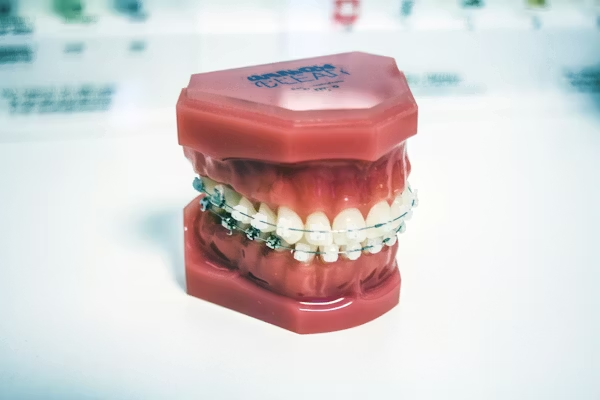
Understanding how to clean retainers is essential for protecting your oral health and preserving your orthodontic results.
With consistent daily care, regular deep cleaning, and professional guidance from trusted providers like Smart Orthodontics, your retainer can remain fresh, functional, and effective for years to come.
At least once per week, or more frequently if buildup is visible.
Only alcohol-free mouthwash, and only occasionally.
Persistent odor often indicates trapped bacteria or material breakdown.
They evaluate fit, hygiene, and alignment and provide custom replacements when needed.
Check out Smart Orthodontics Office hours to plan your visit.