Monday & Wednesday
8:00 am - 5:00 pm
Tuesday & Thursday
7:30 am - 4:00 pm
704-549-8878
Call Us Today!
SERVICIOS EN ESPAÑOL
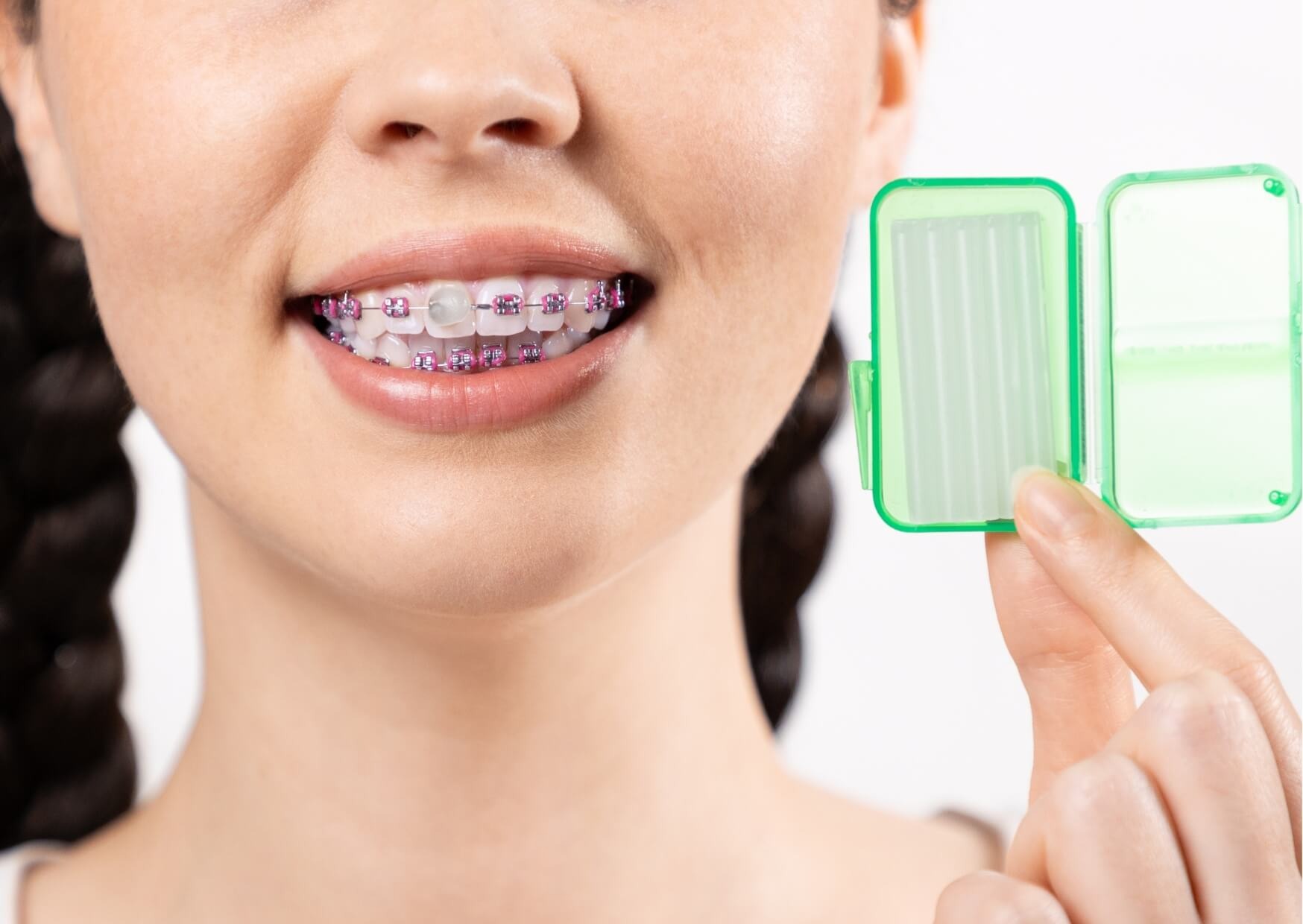
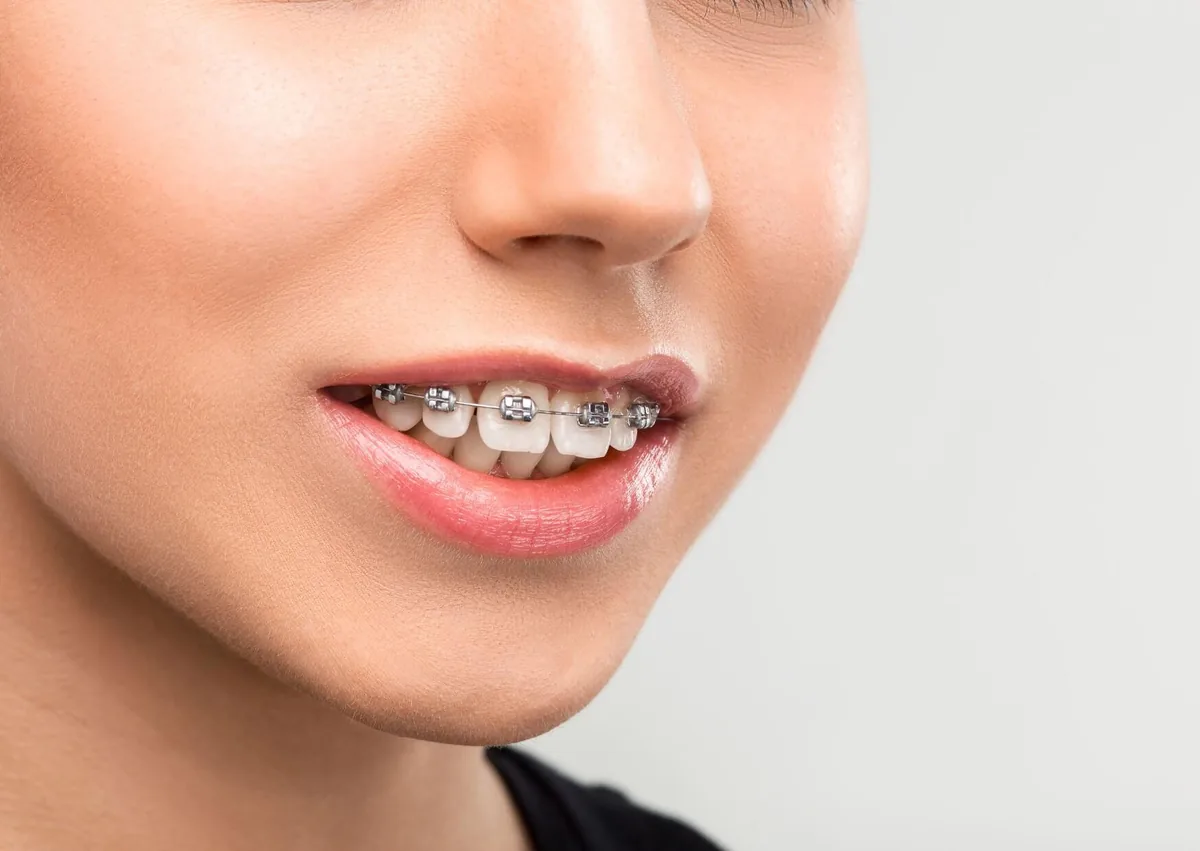
Braces change the landscape of the mouth in a very physical way. Understanding how braces work helps explain why metal brackets, wires, and hooks create new points of contact. The cheeks, lips, and tongue often need time to adapt. In that early friction, orthodontic wax use becomes less of a convenience and more of a temporary barrier between tender tissue and hard edges.
This matters because the tissues inside the mouth are delicate and constantly moving. Every sentence, every sip of coffee, and every hurried lunch asks the lips and cheeks to glide across surfaces they did not choose. Wax does not treat the cause of irritation, but it can reduce rubbing while the mouth adjusts or until an orthodontist can correct a poking wire or rough area.
For patients adjusting to braces, Smart Orthodontics in Charlotte, NC offers braces care and routine orthodontic checkups to help manage discomfort throughout treatment. Whether irritation comes from a new wire, shifting bracket, or general adjustment to braces, our team can help patients stay comfortable while their smile progresses.
Orthodontic wax is a soft, moldable material placed over the part of braces that is irritating the inside of the mouth. Its job is simple and mechanical. It covers a bracket, hook, or wire end so soft tissue meets a smoother surface instead of a sharp or prominent one.
That distinction matters. Wax helps with friction and pressure from braces hardware, but it does not fix a broken appliance, move a wire back into place, or treat infection. If a wire is displaced, a bracket has detached, or swelling is increasing, wax may provide short-term comfort, but it is not the full answer. When those situations arise, an evaluation through our orthodontic services can help determine whether an immediate adjustment is needed.
In practical terms, wax is most useful when you feel the same recurring scrape in one spot, especially during speech or chewing. It may also help after an adjustment visit, when teeth are moving and the mouth feels newly crowded by metal.
Orthodontic wax is often most helpful during the first few days after braces are placed or adjusted. At that stage, the mouth is learning a new map. The cheeks may catch on brackets, and the lips may feel raw where they repeatedly press against the front teeth and hardware.
It can also help when a wire end starts to feel prominent, when a hook rubs one exact point, or when a bracket sits against an area that has already become sore. In those moments, a temporary protective barrier can make eating with braces and speaking more manageable while the area settles or until the orthodontic team can assess the problem.
Some people need wax only briefly. Others return to it on and off throughout treatment, especially after wire changes, elastics, or minor appliance shifts. That pattern is common and does not necessarily mean anything is wrong.
Typical braces irritation often feels superficial. There may be a rubbed spot on the inside of the cheek, a tender area on the lip, or a small ulcer, meaning a shallow sore in the lining of the mouth. These areas can sting with salty foods, citrus, or toothpaste, and they often become more noticeable later in the day after repeated movement.
The discomfort is usually tied to contact. In other words, it tends to worsen when the irritated tissue brushes the same bracket or wire again. If the source is covered and the rubbing stops, symptoms often ease.
That said, not every sore area in the mouth comes from braces alone. Canker sores, accidental cheek biting, viral illness, dry mouth, and other conditions can cause similar pain. If the pattern is unusual, severe, or not improving, a dental evaluation is the safer path.
Before placing wax, the area should be reasonably clean and dry so the material can stay in place. A small piece is usually rolled and gently pressed over the part of the braces causing friction. The goal is not perfection. The goal is to create a smooth cover over the irritating surface.
Wax works best as a short-term comfort measure. It may need to be replaced after meals, brushing, or long periods of talking. If it repeatedly falls off, that may simply reflect moisture and movement in the mouth, but it can also mean the underlying hardware is difficult to cover well.
One practical point is worth saying plainly: if wax is needed constantly in the same spot for days, the braces may need adjustment rather than endless patching. Persistent rubbing in one location deserves a call to the orthodontist.
Wax is limited by design. It softens contact, but it does not repair orthodontic hardware. If a wire is visibly protruding, a bracket is loose, an appliance has shifted, or pain feels deep and escalating rather than surface-level, professional assessment matters more than repeated wax use.
The same is true when there is notable swelling, pus, fever, spreading redness, trouble opening the mouth, or pain that interferes with eating or sleeping. These are not ordinary friction symptoms. They may point to infection, trauma, or another problem that should not be watched casually.
A useful rule is this: wax is for comfort, not diagnosis. When the story in the mouth starts changing quickly, urgent dental evaluation becomes the wiser next step. If your concerns relate specifically to traditional braces hardware, our team can address adjustments quickly to reduce ongoing rubbing and protect tissue; learn more about our braces options.
Not every sharp feeling means an emergency, but some patterns deserve closer attention. Mild rubbing that improves with wax and settles over a few days often fits the normal adaptation phase of braces treatment. It is inconvenient, and sometimes surprisingly painful, but familiar to most orthodontic practices.
A true orthodontic problem is more likely when the hardware has changed position, when a wire is clearly extending beyond the last bracket, when a bracket has detached from the tooth, or when pain is focused in a way that feels mechanical and unrelenting. In those cases, wax may reduce injury to the cheek, but it should not replace contact with the office.
Patients are sometimes told to simply expect discomfort, and that can blur an important line. Some discomfort is normal. Repeated tissue injury from a fixable sharp point should not be normalized when an orthodontist can often address it directly.
Although orthodontic wax is most closely associated with braces, it may also help with other orthodontic appliances that create localized rubbing. Retainers, expanders, and some aligner attachments can irritate the tongue, lips, or cheeks in certain situations.
Still, the reason for irritation matters. Clear aligners may feel sharp if an edge is rough, if the tray is distorted, or if the fit is off. A removable appliance that suddenly feels wrong should not be endlessly padded without asking why. The same principle holds across orthodontics: symptom relief is useful, but understanding the source is better. If you wear self-ligating hardware, specific comfort strategies can differ; read about our Damon braces options for more detail.
Proper oral hygiene is crucial, and irritation can affect how you floss with braces. If an appliance is cracked, no longer fitting properly, or causing repeated sores in the same place, a dentist or orthodontist should review it. Patients who prefer a less visible option may find that even clear braces sometimes need small adjustments to remove rough edges.
A friction sore from braces often improves once repeated rubbing stops. The lining of the mouth generally heals faster than skin, which is one reason small ulcers can look dramatic but recover relatively quickly. During healing, the area may appear white, yellow, or red, and tenderness may linger for a short time even after the source is covered.
What deserves attention is a sore that keeps returning in the same exact place despite protection, becomes larger, bleeds easily, or lasts longer than expected. The same applies if there is significant swelling of the surrounding gum tissue or if the pain seems out of proportion to a small visible lesion.
These patterns do not automatically mean something serious, but they do move beyond routine braces irritation. A sore that does not heal should be examined rather than guessed at.
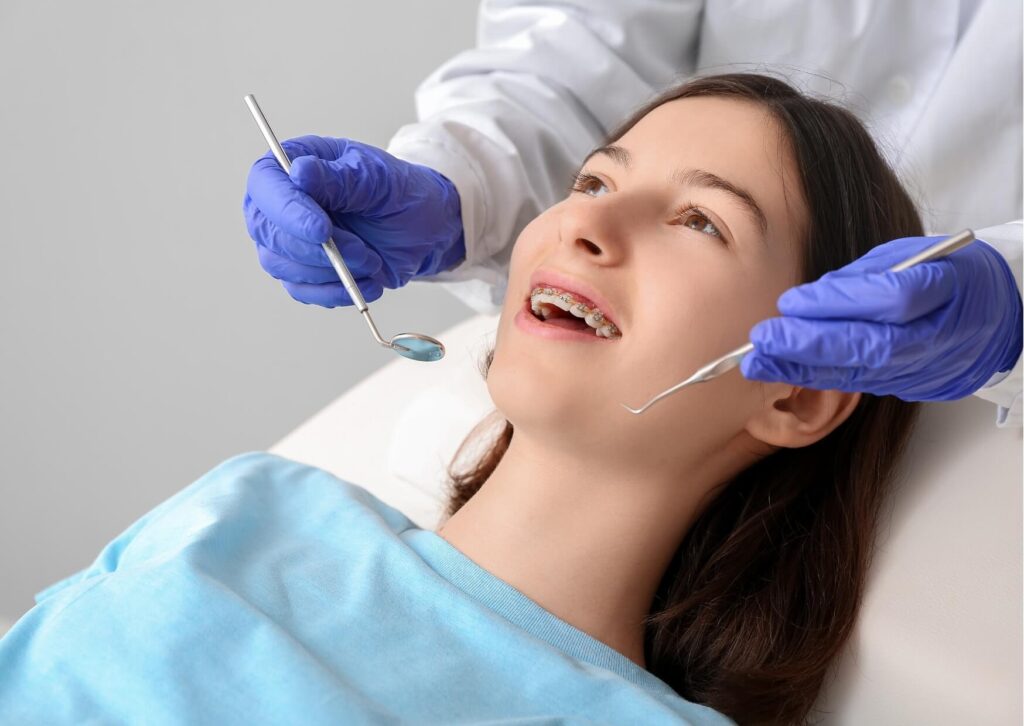
Orthodontic treatment is rarely a smooth road every day. There are phases when the mouth adapts quickly, and phases when a single new wire or elastic changes the whole feel of eating and speaking. Keeping wax available at school, at work, in a bag, or in a jacket pocket is a practical habit, not a sign of failure.
At the same time, comfort tools should not become a substitute for follow-up. If one area repeatedly causes trouble, if a child stops eating normally, if an adult cannot get through meetings without pain, or if sleep is disrupted, it is reasonable to ask for an earlier orthodontic check. Good orthodontic care includes managing tissue irritation, not just moving teeth.
There is a little wisdom in this. The mouth usually adapts, but it should not be asked to endure avoidable injury in silence. If pain persists despite home measures, read our guide on stopping braces pain or call us for an earlier appointment.
Orthodontic wax use can make everyday discomfort more manageable, but ongoing irritation should never become something patients simply learn to tolerate.
If a bracket, wire, or appliance continues causing soreness, Smart Orthodontics in Charlotte, NC is here to provide timely adjustments and supportive orthodontic care throughout treatment.
Call (704) 549-8878 today to schedule an appointment and get expert help keeping your braces comfortable, functional, and moving your smile in the right direction.
Yes, orthodontic wax is generally safe when used as directed for temporary protection over irritating braces hardware. It is meant for comfort and does not replace evaluation of broken or painful appliances.
A short period after braces placement or adjustment is common. If the same area needs wax repeatedly for several days or keeps becoming sore, the orthodontist should check whether a wire, hook, or bracket needs attention.
Not really. Wax may cover the end and reduce rubbing for a short time, but it does not correct the wire itself. If the wire is clearly protruding or causing ongoing injury, contact the orthodontic office.
No. Small friction sores are common, but not every mouth sore is caused by braces. If a sore is severe, recurrent, unusually large, associated with swelling or fever, or not healing, a dental evaluation is appropriate.
In some cases, yes. If another orthodontic appliance is creating a localized rub point, wax may help temporarily. If the appliance is cracked, distorted, or suddenly fitting differently, it should be examined.
Check out Smart Orthodontics Office hours to plan your visit.