Monday & Wednesday
8:00 am - 5:00 pm
Tuesday & Thursday
7:30 am - 4:00 pm
704-549-8878
Call Us Today!
SERVICIOS EN ESPAÑOL
Have you ever enjoyed a piece of chocolate or a spoonful of ice cream—only to feel a sudden, sharp discomfort in your teeth? If so, you are not alone. Many patients report teeth sensitive to sugar, a condition that can transform simple pleasures into unpleasant experiences.
While occasional sensitivity may seem minor, it often signals underlying dental concerns that require professional attention. At Smart Orthodontics, we believe that understanding the cause of your discomfort is the first step toward restoring both comfort and confidence in your smile. Tooth sensitivity to sugar is not random; it is a biological response that reflects changes within the tooth’s protective layers.
In this detailed guide, we will explore what sugar sensitivity means, why it happens, how it differs from other types of sensitivity, and what treatments can help you regain comfort. Because when it comes to your oral health, knowledge truly empowers prevention.
Sugar sensitivity is often an early warning sign. Rather than ignoring it, consider it your body’s signal that something requires attention.
When you consume sugar, oral bacteria metabolize it and produce acid as a byproduct. This acid lowers the pH in your mouth, weakening enamel. If dentin is exposed, sugar and acid can stimulate the tubules inside the tooth, transmitting sensation directly to the nerve.
The process happens quickly—sometimes within seconds. That is why the discomfort can feel immediate and sharp.
Although sugar sensitivity may resemble cold or heat sensitivity, they often stem from slightly different causes.
| Feature | Sugar Sensitivity | Cold/Heat Sensitivity |
| Trigger | Sweet foods | Temperature changes |
| Common Cause | Early decay, enamel erosion | Exposed dentin, gum recession |
| Pain Duration | Short and sharp | Sharp or lingering |
| Primary Concern | Possible cavity | Enamel thinning or root exposure |
Understanding this distinction helps dental professionals determine the most appropriate treatment.
To appreciate why sugar can cause discomfort, it is important to understand tooth anatomy.
Enamel is the outermost layer of the tooth. It is remarkably strong—harder than bone—yet it is not indestructible. Acid exposure, mechanical wear, and poor oral hygiene can gradually weaken this protective surface.
Once enamel thins, the underlying structures become susceptible to stimulation.
Beneath enamel lies dentin, a porous layer containing microscopic tubules. These tubules connect to the pulp—the inner chamber housing nerves and blood vessels. When dentin becomes exposed, external stimuli travel through these channels directly to the nerve.
Many patients are surprised by how quickly sensitivity appears. Contributing factors include:
Even a small structural change can trigger noticeable discomfort.
Cavities are among the most common causes of sugar sensitivity. As decay progresses, it creates openings in enamel, allowing sugar and acid to reach dentin more easily.
Frequent exposure to acidic beverages such as soda, citrus juices, and sports drinks can gradually dissolve enamel. Once eroded, enamel does not regenerate naturally.
When gums recede, the tooth root becomes exposed. Unlike crowns of teeth, roots are not covered with enamel, making them more sensitive to sugar and other stimuli.
Small fractures may not be visible but can provide pathways for sugar to irritate internal structures.
Sugar feeds oral bacteria, which produce acid. This acid demineralizes enamel and enlarges microscopic defects.
With repeated exposure, enamel weakens further. What begins as a minor soft spot can eventually become a cavity.
In early stages, sensitivity may occur only when eating sweets. In advanced stages, discomfort may become constant, indicating deeper pulp involvement.
Prompt treatment can prevent progression and preserve tooth structure.
Acid softens enamel temporarily. If brushing occurs immediately afterward, softened enamel may wear away more easily.
Constant snacking maintains an acidic environment in the mouth. Teeth require time between meals to remineralize.
As enamel thins, the distance between external triggers and internal nerves decreases. Less protection equals heightened sensitivity.
Roots are covered by cementum, a softer material than enamel. When exposed, they are more vulnerable to decay and sensitivity.
Root surfaces decay more rapidly than enamel surfaces, often leading to sugar-triggered discomfort.
Chronic grinding—also known as bruxism—can significantly impact sensitivity.
Grinding creates microscopic fractures that allow stimuli to penetrate deeper.
Excessive pressure accelerates enamel wear, exposing dentin.
Uneven bite forces can stress certain teeth more than others, increasing localized discomfort.
Crowded or misaligned teeth may experience uneven pressure during chewing. Over time, this can contribute to enamel thinning.
Orthodontic adjustments may cause short-term sensitivity as teeth shift. This typically resolves within days.
Correcting alignment distributes forces evenly, reducing abnormal wear patterns and helping protect enamel.
Sugar sensitivity is often brief and directly linked to sweet consumption. Temperature sensitivity may linger longer.
Sugar pain often signals decay. Temperature pain frequently suggests exposed dentin.
If multiple triggers cause discomfort, a comprehensive dental evaluation is recommended.
Sticky candies prolong sugar exposure, increasing acid production.
Sodas combine sugar and acidity—an especially harmful combination.
Many processed foods contain added sugars, contributing to prolonged acid attacks.
Dentists visually inspect enamel, gum levels, and possible decay.
Radiographs detect hidden cavities and interproximal decay.
Wear patterns and occlusion are assessed to determine contributing factors.
These products block tubules over time, reducing nerve response.
A soft-bristled brush and gentle circular motions protect enamel and gums.
Limiting sugary snacks between meals reduces acid frequency.
Professional fluoride strengthens enamel and promotes remineralization.
Sealants protect vulnerable surfaces from decay.
Restoring decayed areas eliminates direct sugar exposure.
Scaling and root planing remove plaque and bacteria below the gumline.
Grafting covers exposed roots and reduces sensitivity.
Consistent hygiene and professional monitoring are essential.
Crowns protect compromised teeth and restore strength.
Veneers improve aesthetics while covering worn enamel.
In severe cases, removing infected pulp eliminates persistent pain.
Fluoride enhances enamel’s resistance to acid.
Early-stage decay can sometimes reverse with fluoride support.
Professional applications provide higher concentrations and faster protective benefits.
Routine visits at Smart Orthodontics enable early detection and preventive intervention.
Fluoride varnishes and sealants reinforce enamel protection.
Addressing minor concerns promptly prevents larger complications.
At Smart Orthodontics, located at 8210 University Executive Park Dr #190, Charlotte, NC 28262, our mission is to provide families with a fun, professional, and caring environment focused on creating beautiful, life-changing smiles
We offer customized treatment plans for all ages—ranging from recommended screenings for children by age seven to adult aligner therapy—using advanced technology like the Damon Bracket system and Invisalign. Our experienced team is dedicated to exceptional customer service and offers complimentary consultations to help you find the best fit for your dental needs.
You can visit us Mondays and Wednesdays from 8:00 AM to 5:00 PM, or Tuesdays and Thursdays from 7:30 AM to 4:00 PM. Call us today.
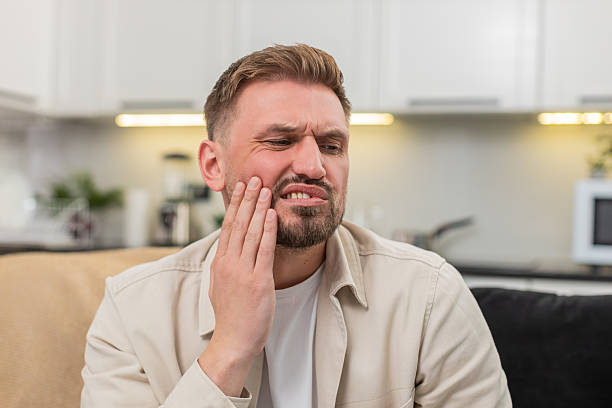
Experiencing teeth sensitive to sugar should never be dismissed as a minor inconvenience. It is often an early clinical indicator of enamel erosion, gum recession, or developing decay. Addressing the underlying cause promptly can prevent more extensive treatment in the future.
At Smart Orthodontics, we emphasize proactive dental care—because preserving natural tooth structure is always the priority. Whether the solution involves preventive measures, restorative care, or orthodontic correction through trusted partners at Smart Orthodontics, comprehensive management ensures long-term oral health.
Your smile is both functional and expressive. Protecting it requires awareness, consistency, and professional guidance. If sugar triggers discomfort, consider it a sign to act—not later, but now.
Sugar fuels bacteria that produce acid, which irritates exposed dentin or decayed areas.
Yes. Proper bite alignment can minimize uneven enamel wear and reduce stress on certain teeth.
Not always. While cavities are common causes, enamel erosion and gum recession can also contribute.
By correcting misalignment and bite issues that contribute to enamel wear, while offering personalized orthodontic solutions.
Check out Smart Orthodontics Office hours to plan your visit.