Monday & Wednesday
8:00 am - 5:00 pm
Tuesday & Thursday
7:30 am - 4:00 pm
704-549-8878
Call Us Today!
SERVICIOS EN ESPAÑOL
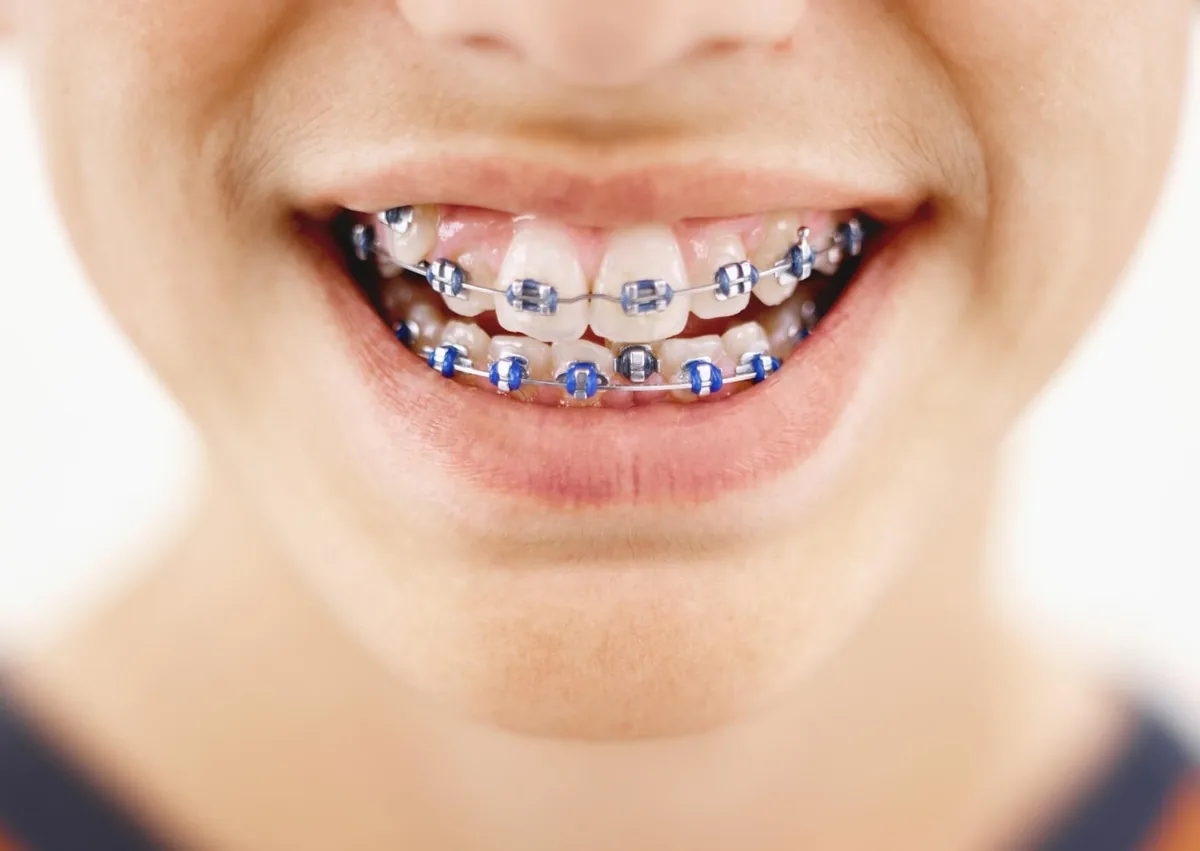
How to fix an underbite depends on whether the problem is caused mainly by tooth position, jaw growth, or both. braces or clear aligners may correct a mild dental underbite, children may benefit from growth-guiding treatment, and adults with a larger jaw mismatch may need orthodontics combined with surgery.
An underbite can affect more than appearance. Depending on severity, it may contribute to uneven tooth wear, chewing difficulty, speech changes, jaw strain, or gum irritation, so an orthodontic evaluation is the safest way to identify the right treatment.
If you're weighing treatment options for an underbite or unsure whether braces, growth guidance, or surgery are right for you, our orthodontic services can clarify the best path. Smart Orthodontics in Charlotte, NC helps patients understand likely outcomes, timing, and tradeoffs so you can make a calm, informed decision about care.
An underbite means the lower front teeth sit in front of the upper front teeth when the mouth is closed. Orthodontists often describe this as a Class III bite, although the exact pattern can vary.
Some underbites are mainly dental, which means the teeth are tipped or positioned in a way that reverses the normal overlap. Others are skeletal, meaning the lower jaw is more prominent, the upper jaw is smaller or set back, or both jaws contribute.
Genetics often play a major role in jaw shape and growth. Missing teeth, unusual eruption patterns, injury, and some childhood oral habits may also affect bite development.
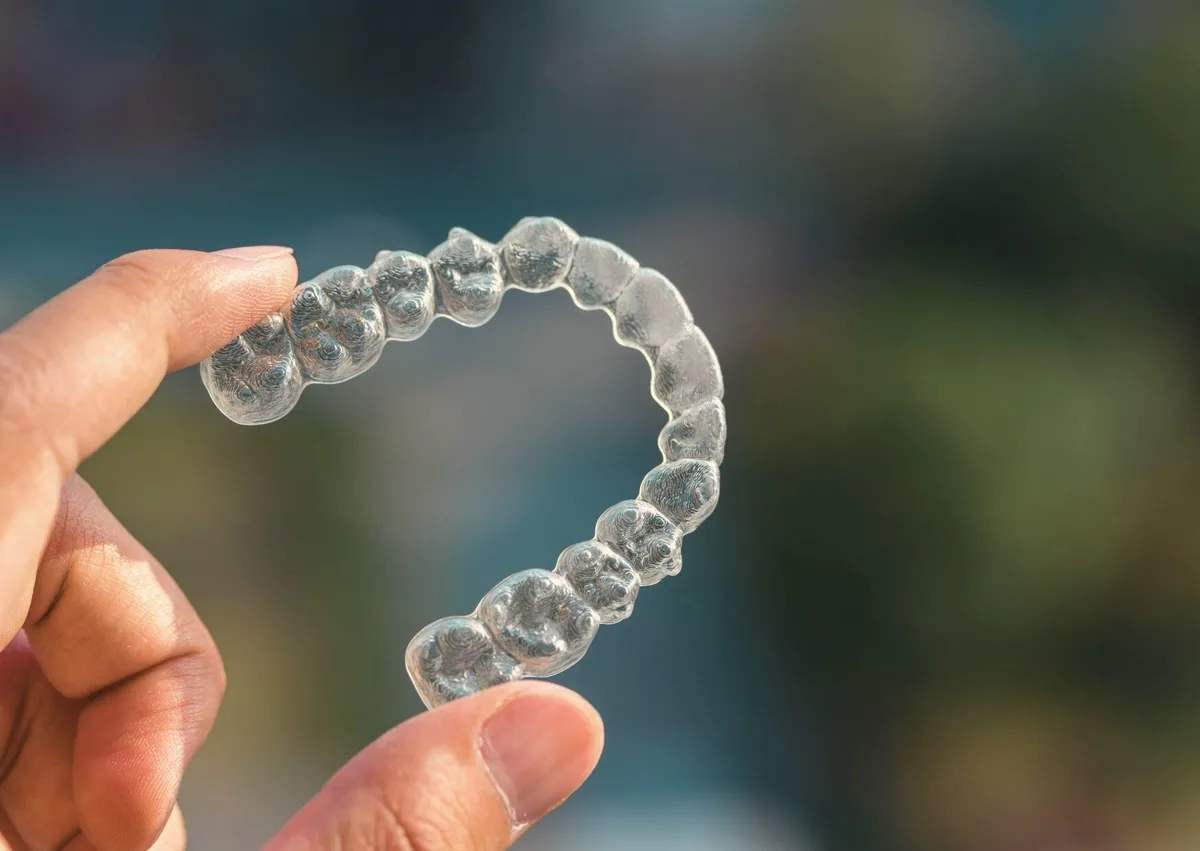
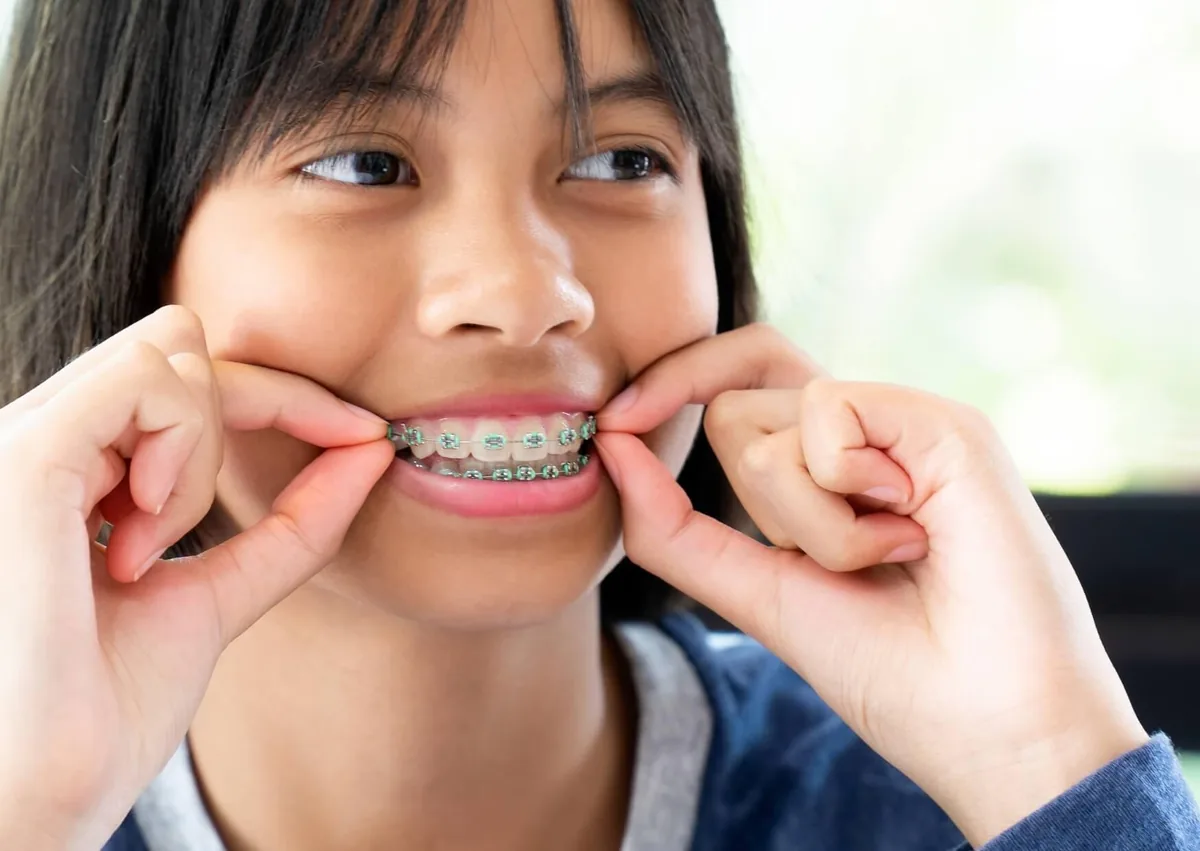
Braces can move teeth into healthier positions and give precise control over the bite. Clear aligners may work for selected mild to moderate dental underbites, but they do not correct every jaw discrepancy and depend on consistent wear. You can compare options in our guide to clear vs. metal braces.
Elastics, often called rubber bands, may be used with braces or aligners to help guide how the upper and lower teeth fit together. They should be worn only as prescribed, because changing the pattern or force can move teeth in unintended ways.
If the teeth are crowded, treatment may also involve expansion, small enamel reshaping between certain teeth, or sometimes tooth removal. Those decisions depend on facial balance, crowding, gum and bone support, and the underlying jaw relationship.
Some practices also offer Damon Braces as a self-ligating bracket system. For some patients, they may improve comfort and reduce friction during treatment.
|
Treatment |
Often Considered For |
Main Tradeoff |
|---|---|---|
|
Braces |
Dental underbites and complex tooth movement |
Visible hardware and more cleaning |
|
Clear aligners |
Selected mild to moderate dental cases |
Requires disciplined wear and has movement limits |
|
Growth-guiding appliances |
Certain children who are still growing |
Timing and daily cooperation strongly affect results |
|
Orthodontics plus jaw surgery |
Severe skeletal underbites after growth |
Surgery, recovery, cost, and a longer process |
Early evaluation can be helpful because a child's jaws are still developing. Depending on the growth pattern, an orthodontist may recommend monitoring, upper-jaw expansion, a face mask to encourage forward upper-jaw growth, limited braces, or another appliance.
Early treatment may improve jaw relationships or simplify later care, but it does not guarantee that braces or surgery will never be needed. Growth is not fully predictable, and some children still need a second phase of treatment after more permanent teeth come in.
The American Association of Orthodontists recommends an orthodontic checkup by age 7, although treatment does not always start then. An earlier visit is reasonable if a child's lower teeth consistently close in front of the upper teeth, the jaw shifts while biting, or chewing is difficult. For more on timing, see our article on the best age for braces.
Once jaw growth is complete, appliances usually cannot create the same growth changes that are possible in children. Orthodontics can still move teeth, but tooth movement alone may not fully correct a large skeletal difference and can sometimes push teeth beyond safe limits.
For a severe skeletal underbite, treatment may include braces or aligners before and after orthognathic surgery, which repositions one or both jaws. Planning often involves both an orthodontist and an oral and maxillofacial surgeon, along with imaging and digital bite records to assess the teeth, jaws, airway, and facial proportions. If you are exploring adult treatment more broadly, see Can adults get braces?
Some adults choose orthodontic camouflage instead of surgery. This approach moves the teeth to reduce the visible and functional effects of the underbite without changing the jaw bones, but it has limits and should be compared carefully with surgical correction.
Orthodontic appliances often cause pressure or tenderness for a few days after placement or adjustment. Jaw surgery involves a more significant recovery, including swelling, diet changes, and follow-up care directed by the surgical team.
Treatment time can range from several months for limited tooth movement to a few years for complex orthodontic or surgical care. Age, severity, growth, missed appointments, appliance breakage, and aligner or elastic wear can all affect the timeline.
Costs vary widely based on treatment type, region, insurance benefits, and whether surgery is medically covered. Before starting, ask for a written estimate that separates orthodontic, imaging, surgical, anesthesia, and retention fees when relevant.
Teeth naturally tend to shift after orthodontic treatment, so retainers are usually necessary. A removable or fixed retainer may be recommended, and long-term wear is often needed to protect the result. Learn more about typical retainer costs so you can plan for ongoing care.
Daily brushing and cleaning between the teeth are especially important around brackets, attachments, and fixed retainers. Regular dental visits can catch cavities, gum inflammation, enamel wear, or retainer damage early.
Even after successful treatment, normal aging and jaw changes can affect the bite. Contact the treating clinician if a retainer stops fitting, the teeth begin to move, or the bite starts to feel different.
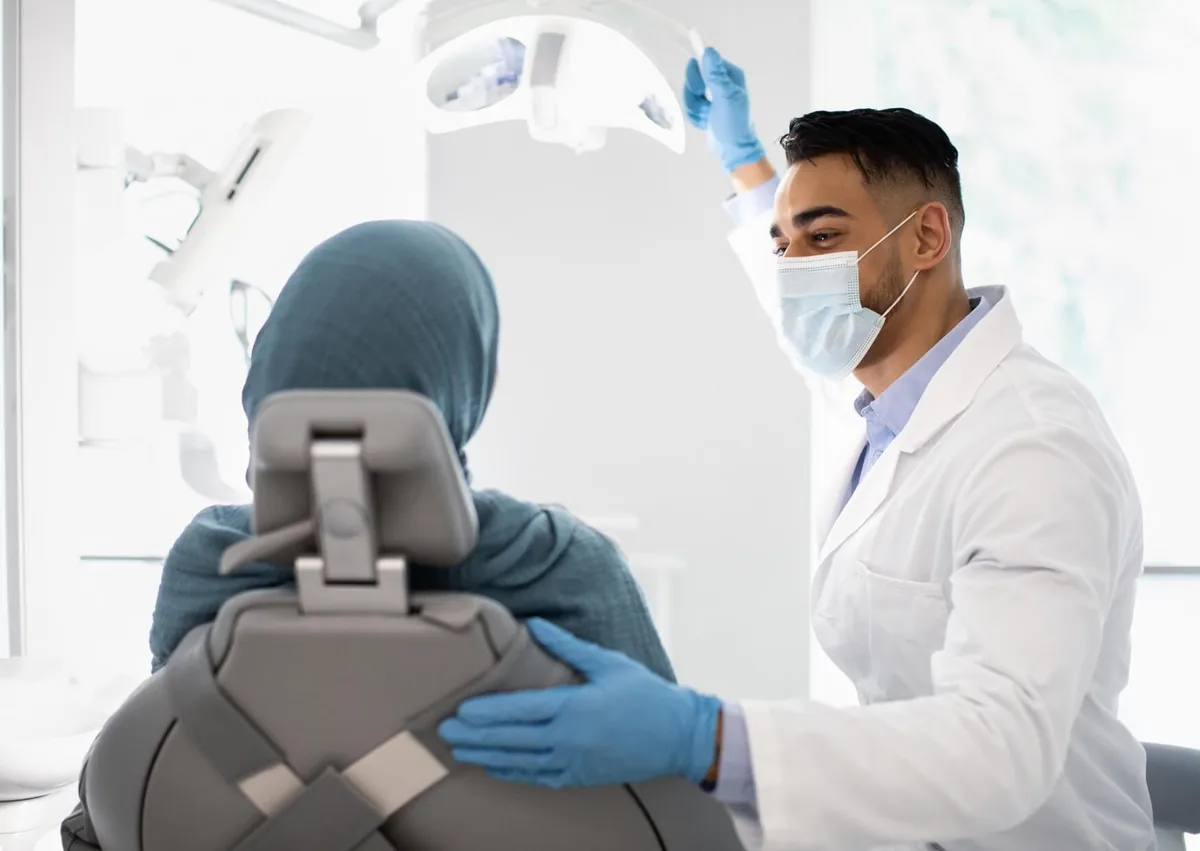
Schedule a dental or orthodontic evaluation if an underbite is persistent, getting worse, causing uneven wear, or making it hard to bite, chew, speak, or close the lips comfortably. An assessment may include photos, X-rays, digital scans, a growth review, and an exam of the teeth, gums, jaw joints, and facial balance.
Seek prompt care after a facial injury or if the bite changes suddenly. Severe swelling, fever, uncontrolled bleeding, trouble breathing or swallowing, or an inability to close the mouth needs urgent medical or dental evaluation.
Correcting an underbite may improve chewing efficiency, reduce damaging tooth contact, support gum health, and create a more stable bite. Because treatment limits and timing differ between dental and skeletal underbites, an in-person evaluation with our orthodontic services is the most reliable next step.
A specialist evaluation is the most reliable next step to determine whether braces, clear aligners, growth modification, or surgery best suits your underbite. Call Smart Orthodontics for orthodontic services in Charlotte, NC and nearby Harrisburg and Huntersville, NC at (704) 549-8878 to schedule an appointment.
A minor bite irregularity in a young child may change as baby teeth fall out and the jaws grow. A true underbite should not be assumed to resolve on its own, so monitoring by a dentist or orthodontist is important.
Clear aligners can correct some underbites caused mainly by tooth position. They are less likely to correct a larger jaw mismatch without additional treatment, and an orthodontist needs to confirm whether the planned movements are safe and predictable.
No. Many dental underbites can be treated with orthodontics, and some children may benefit from growth-guiding treatment, while surgery is usually reserved for more severe skeletal problems after growth is complete.
Some mild underbites stay stable and cause few problems. Others may contribute to tooth wear, chipped teeth, gum recession, chewing difficulty, or jaw discomfort, so the risk should be judged individually rather than by appearance alone.
Braces, aligners, and elastics usually cause temporary pressure or soreness rather than severe pain. Persistent or intense pain, swelling, injury, or an appliance cutting the mouth should be reported to the treating dental professional.
Check out Smart Orthodontics Office hours to plan your visit.