Monday & Wednesday
8:00 am - 5:00 pm
Tuesday & Thursday
7:30 am - 4:00 pm
704-549-8878
Call Us Today!
SERVICIOS EN ESPAÑOL
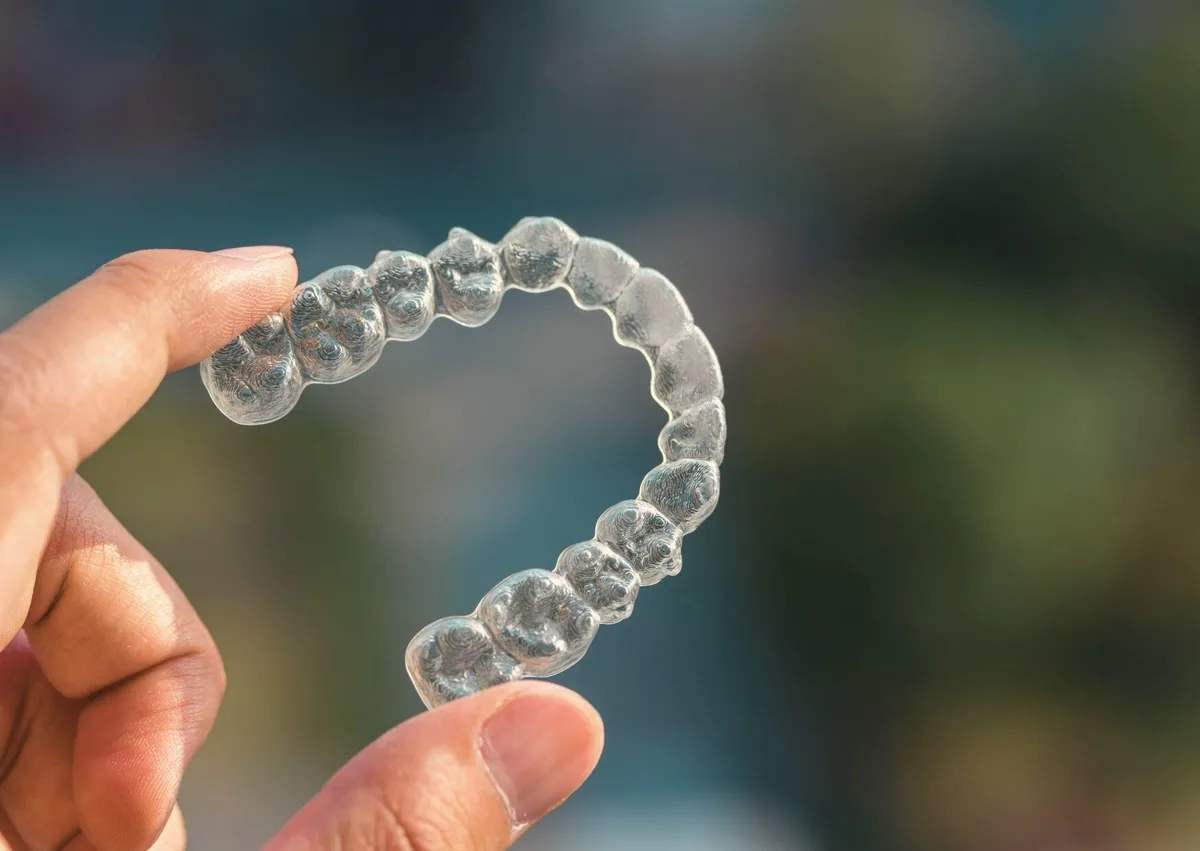
Most people need to wear retainers for life after braces. In most cases, that means full-time wear for the first several months, then nighttime wear indefinitely to help keep teeth from shifting.
If you’re deciding how to protect your smile after braces or are concerned a retainer isn’t fitting, orthodontic services can clarify whether a replacement retainer or a brief adjustment is needed. Smart Orthodontics in Charlotte, NC offers focused assessments and straightforward retention plans to stabilize results and reduce future treatment.
Braces move teeth by applying steady pressure, which changes the position of the roots and the surrounding bone. After braces come off, the bone and soft tissues need time to reorganize and stabilize.
During that period, teeth are more likely to drift toward their previous positions. This process, called orthodontic relapse, is often greatest during the first months after treatment, although teeth can continue to change over time.
Normal aging, bite forces, dental work, gum disease, and daily habits can all affect alignment later on. If you want more detail on why this happens, see our guide to teeth shifting after braces.
Consistent retainer wear is the most reliable way to protect your orthodontic result.
The exact schedule depends on how much your teeth moved, how stable your bite is, and whether you are still growing. Your orthodontist’s instructions should always take priority over a general timeline.
|
Retention Stage |
Common Wearing Schedule |
Main Purpose |
|---|---|---|
|
First several months |
About 20 to 22 hours a day, removing the retainer for eating and cleaning |
Supports teeth while bone and tissues stabilize |
|
After initial stabilization |
Every night or as directed |
Reduces gradual shifting |
|
Long-term retention |
Nighttime wear indefinitely |
Helps maintain alignment as the mouth changes with age |
Some people switch to nights-only wear sooner. Others need full-time wear for 6 to 12 months or longer, especially after more complex tooth movement or bite correction.
If you have a fixed retainer, it works continuously because it stays attached behind the teeth. Even then, some patients are also told to wear a removable retainer for added support.
The type of retainer affects comfort, maintenance, and how much the result depends on daily habits. It does not usually change the need for long-term retention.
Clear removable retainers fit closely over the teeth and are less noticeable. They are convenient, but they can crack, warp, or loosen over time.
Hawley retainers have an acrylic base and a wire across the front teeth. They are more visible, but they are durable and can sometimes be adjusted if the fit changes slightly.
Fixed, or bonded, retainers are thin wires attached behind the front teeth. They provide constant retention, but they require careful cleaning and professional repair if they loosen or break.
|
Retainer Type |
Practical Advantage |
Main Tradeoff |
|---|---|---|
|
Clear removable |
Discreet and easy to remove for cleaning |
Can crack, distort, or be misplaced |
|
Hawley removable |
Durable and often adjustable |
More visible and may briefly affect speech |
|
Fixed or bonded |
Provides continuous retention |
Requires careful cleaning and professional repair if loose |
A new retainer often feels snug at first. Mild pressure, extra saliva, or slight speech changes are common and usually improve within several days.
A retainer should not cause severe pain, cuts, or major trouble biting together. If it feels very tight after missed wear, your teeth may already be starting to move.
If the retainer still seats fully and causes only mild pressure, your orthodontist may tell you to resume wear. Do not force a retainer that no longer fits into place.
Contact your orthodontist promptly if a retainer becomes painful, warped, cracked, or loose. Seek urgent dental or medical care for severe swelling, fever, uncontrolled bleeding, trouble swallowing or breathing, or worsening severe pain.
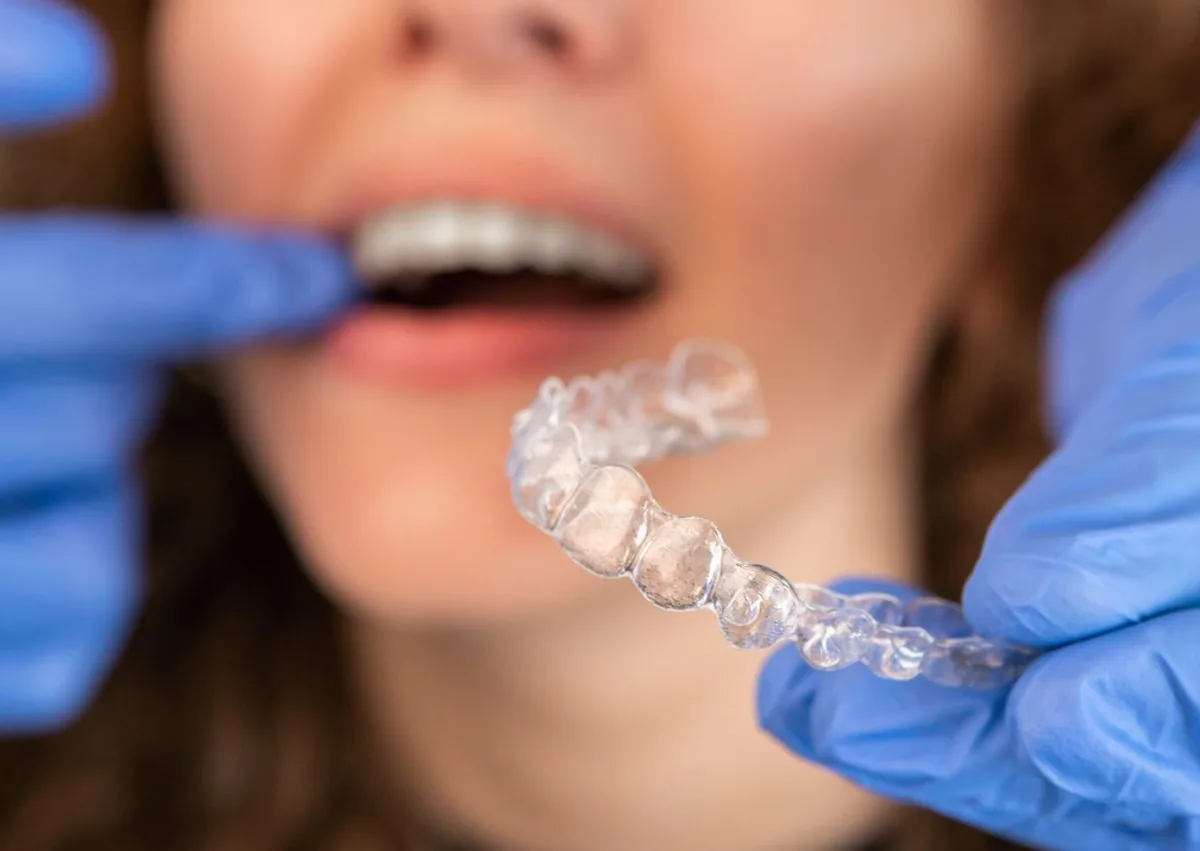
Long-term success depends on wearing the retainer as directed and taking care of it properly. Small maintenance mistakes can shorten the life of the retainer or allow unwanted tooth movement.
Remove a removable retainer for meals unless your orthodontist tells you otherwise. Rinse it after removal and clean it with cool or lukewarm water and a soft toothbrush or an orthodontist-recommended cleaner.
Avoid hot water because it can distort plastic. Some clear retainers can also be scratched by toothpaste or damaged by harsh household cleaners.
Store the retainer in its ventilated case when it is not in your mouth. Keep it away from pets, napkins, pockets, and hot cars, which are common reasons retainers are lost or damaged.
If you have a fixed retainer, clean carefully around the wire with floss threaders, interdental brushes, or other recommended tools. Regular dental visits still matter because a bonded wire can partly detach without being obvious.
Schedule an orthodontic evaluation if your retainer no longer fits, a bonded wire feels loose, or you notice visible tooth movement. You should also be seen for persistent soreness, gum swelling, repeated breakage, or odor that does not improve with cleaning.
In some cases, a replacement retainer or a small adjustment is enough. If relapse is more advanced, treatment may involve aligners or braces before a new retainer is made, and some patients may need braces again.
Long-term retention helps protect alignment, bite function, and the time invested in treatment. If you need help deciding what comes next, learn more about our orthodontic services.
If you have a retainer that no longer fits or you’re noticing movement, arrange a timely evaluation so minor relapse can be treated early and often more simply. Call Smart Orthodontics for orthodontic services in Charlotte, NC and nearby Harrisburg or Huntersville at (704) 549-8878 to schedule an appointment.
Usually, no. Teeth can still shift years after braces, so many orthodontists recommend nighttime retainer wear for life.
Nightly wear is a common long-term plan because teeth continue to change with age. If your schedule should change, that decision should come from your orthodontist.
Try it gently without forcing it. If it fits fully and only feels mildly tight, resume wear and monitor it, but if it will not seat or causes significant pain, stop and arrange an evaluation.
There is no fixed replacement schedule. Clear retainers often need replacement sooner than Hawley or fixed retainers because they can crack, loosen, or wear down.
A retainer is mainly designed to hold teeth in place, not move them actively. Very minor changes may sometimes be managed early, but visible shifting should be evaluated before you try to wear an old or tight retainer.
Check out Smart Orthodontics Office hours to plan your visit.