Monday & Wednesday
8:00 am - 5:00 pm
Tuesday & Thursday
7:30 am - 4:00 pm
704-549-8878
Call Us Today!
SERVICIOS EN ESPAÑOL
Many people want a straighter smile without the look of traditional metal braces. That is usually when clear braces enter the conversation.
In many cases, clear braces can be worth it if appearance matters during treatment and the bite problem needs more control than removable aligners can reliably provide. They are not the best fit for everyone, though, because they can stain, break more easily than metal brackets, and still require the same commitment as other braces.
The better question is not whether clear braces are always better. It is whether they fit the tooth movement needed, your daily habits, your budget, and your expectations for comfort and upkeep.
Smart Orthodontics offers clear braces at our Charlotte, NC office and provides the kind of discreet fixed-bracket care many patients look for.
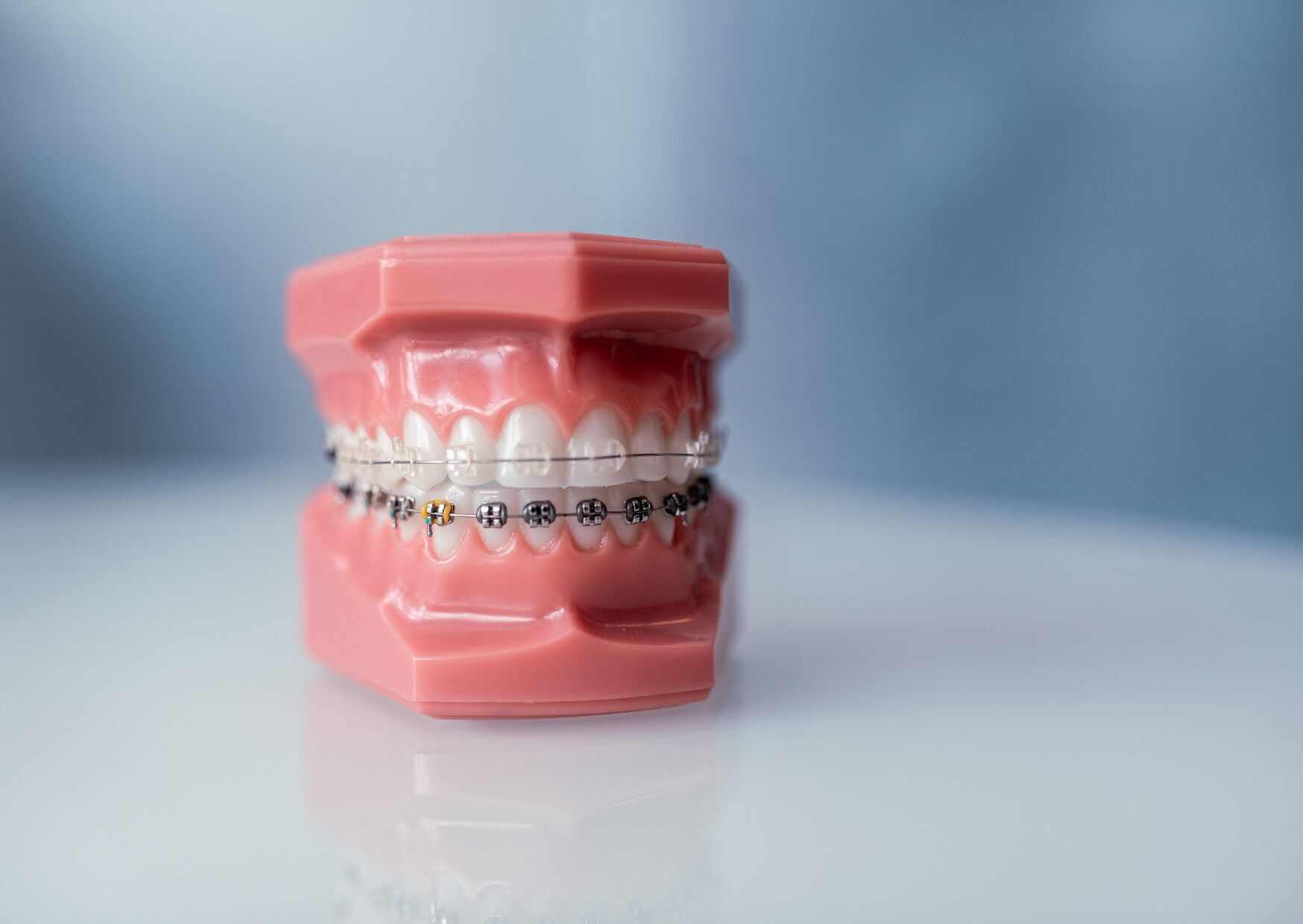
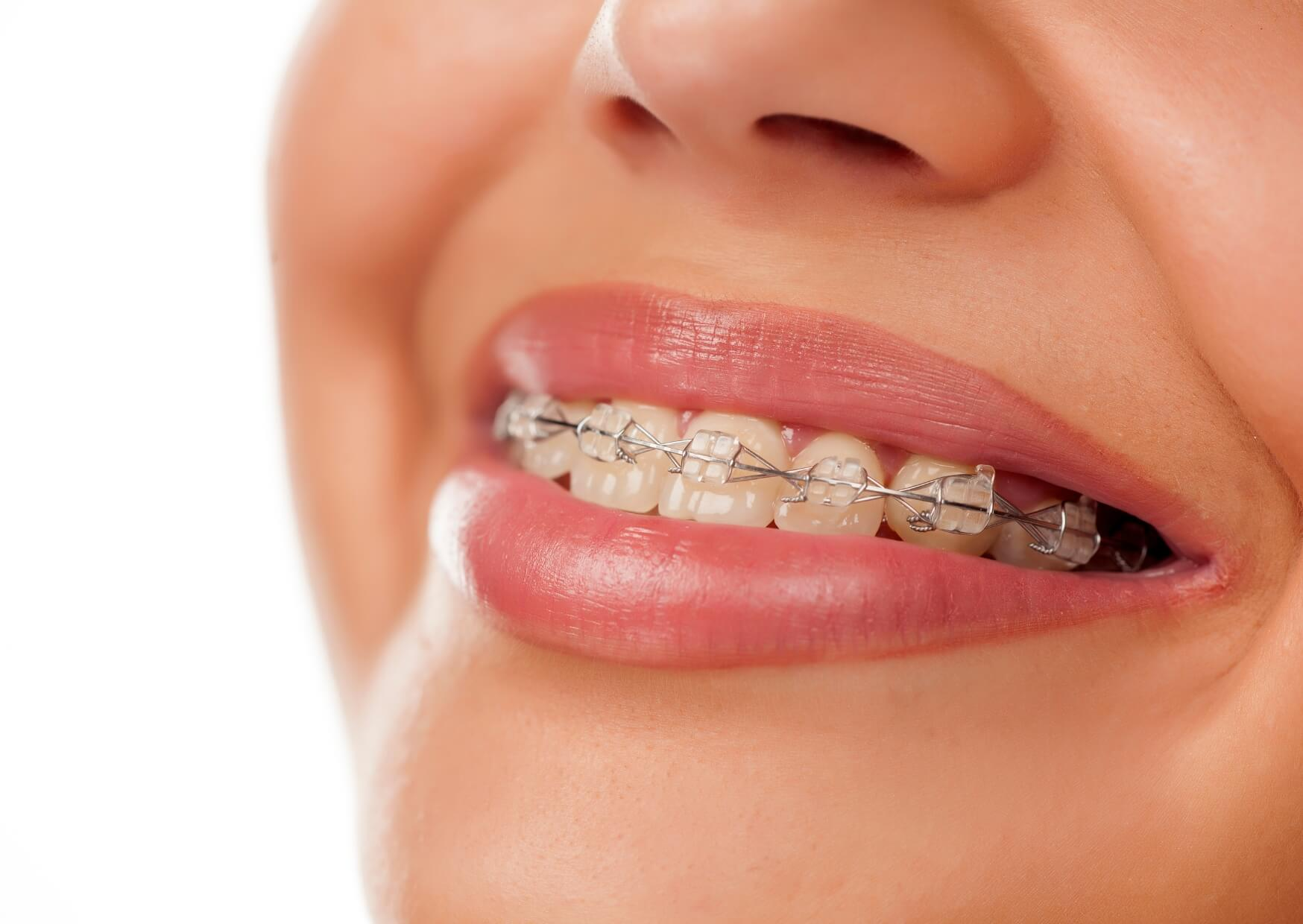
Clear braces are fixed orthodontic braces that use tooth-colored or transparent brackets instead of stainless steel ones. A bracket is the small attachment bonded to each tooth, and a wire connects the brackets to guide tooth movement over time.
Want a simple overview of how braces work? Our related guide explains the basics.
Most clear braces are made from ceramic or a similar translucent material. That is why they are often called ceramic braces, even though many patients search for them as clear braces.
They are different from clear aligners. Aligners are removable plastic trays, while clear braces stay attached to the teeth and work continuously.
Clear braces are often worth considering when someone wants less visible treatment but still needs the precision of fixed braces. That can include crowding, spacing, rotated teeth, or bite issues that may be harder to manage with removable trays alone.
They can be especially appealing for adults and older teens who want a more discreet look at work, school, or social events. For many patients, that cosmetic benefit is the main reason the extra cost feels worthwhile.
They may also be worth it when compliance is a concern. Because they are fixed in place, treatment does not depend on remembering to wear trays most of the day.
If appearance matters a lot and the case is not ideal for aligners, clear braces often offer a practical middle ground between braces and removable clear tray systems.
Metal braces are still the most durable option and, in many offices, the most cost-effective. They are smaller, stronger, and usually less likely to chip or fracture than ceramic brackets.
Clear braces are less noticeable, but that benefit comes with tradeoffs. Ceramic brackets are generally not as strong as metal ones, and they are often a bit bulkier.
In some cases, they can also create slightly more friction between the bracket and wire, which may affect efficiency during certain stages of treatment. Systems such as Damon braces use a lower-friction design and may be an alternative for patients interested in modern bracket systems.
If you want more detail, see our post on what are Damon braces. For a broader comparison, our guide to types of braces can help.
For many routine cases, both clear and metal braces can produce excellent results. The better choice often comes down to how much you value appearance during treatment versus durability, simplicity, and cost.
| Feature | Clear Braces | Metal Braces |
| Appearance | Less noticeable | More visible |
| Durability | More likely to chip or crack | Generally more durable |
| Staining risk | Ties may discolor over time | Minimal cosmetic staining concern |
| Cost | Usually higher | Usually lower |
| Treatment control | Strong fixed control | Strong fixed control |
| Comfort feel | Can feel bulkier to some patients | Often slightly smaller profile |
In practice, appearance versus durability is the main comparison most patients care about.
This is where the decision gets more personal. Clear aligners are usually the least noticeable option, and many patients like being able to remove them for meals and brushing.
But aligners depend heavily on consistent wear. If trays are not worn as directed, teeth may not move into the planned position.
Clear braces remove that variable because they work all day without being taken in and out. For patients with more complex tooth movement, unreliable tray wear, or bite correction needs that benefit from fixed mechanics, clear braces may be the more dependable option.
For a side-by-side comparison, read Invisalign vs. Braces. You can also explore our related article on Which is Better: Braces or Invisalign.
Aligners can still be an excellent choice for the right case. A proper orthodontic exam matters more than marketing claims.
Clear braces move teeth the same basic way other braces do, so some soreness is common after placement and adjustment visits. That discomfort usually comes from pressure on the teeth and supporting tissues as movement begins.
The cheeks and lips may also need time to adjust to the brackets. Some patients feel that ceramic brackets are slightly bulkier than metal ones, especially during the first couple of weeks.
Eating takes some adjustment too. Hard, sticky, and chewy foods can damage brackets or get trapped around them, so food choices often need to change during treatment.
Speech changes are usually mild with braces compared with some removable appliances. Most people adapt quickly, though the first few days can feel awkward.
This is one of the biggest reasons some patients love clear braces and others get frustrated. The brackets themselves usually resist discoloration fairly well, but the small elastic ties used in many systems can stain from coffee, tea, curry, tomato sauce, and smoking.
That means the braces may look less clear between visits even when the teeth are being cleaned properly. For image-conscious patients, this can be disappointing if it was not explained upfront.
Oral hygiene also becomes more technique-sensitive. Plaque is the sticky film of bacteria that builds up on teeth, and braces create more places for it to collect.
Orthodontic treatment can be a risk factor for dental caries, so inconsistent brushing and interdental cleaning can raise the risk of gum inflammation, enamel marks, and cavities. Good hygiene and careful food habits often make the difference between a smooth treatment experience and a frustrating one.
In many practices, clear braces cost more than metal braces. The higher fee usually reflects the bracket material and the esthetic upgrade, not a completely different treatment process.
Whether that extra cost is worth it depends on what matters most to you. If a less noticeable appearance reduces self-consciousness and makes treatment easier to stick with, the added expense may feel reasonable.
If budget is the main concern, metal braces often provide the same end goal with fewer cosmetic advantages but strong reliability. The best value is not always the lowest price; it is the option you can realistically maintain and feel comfortable with for the full course of treatment.
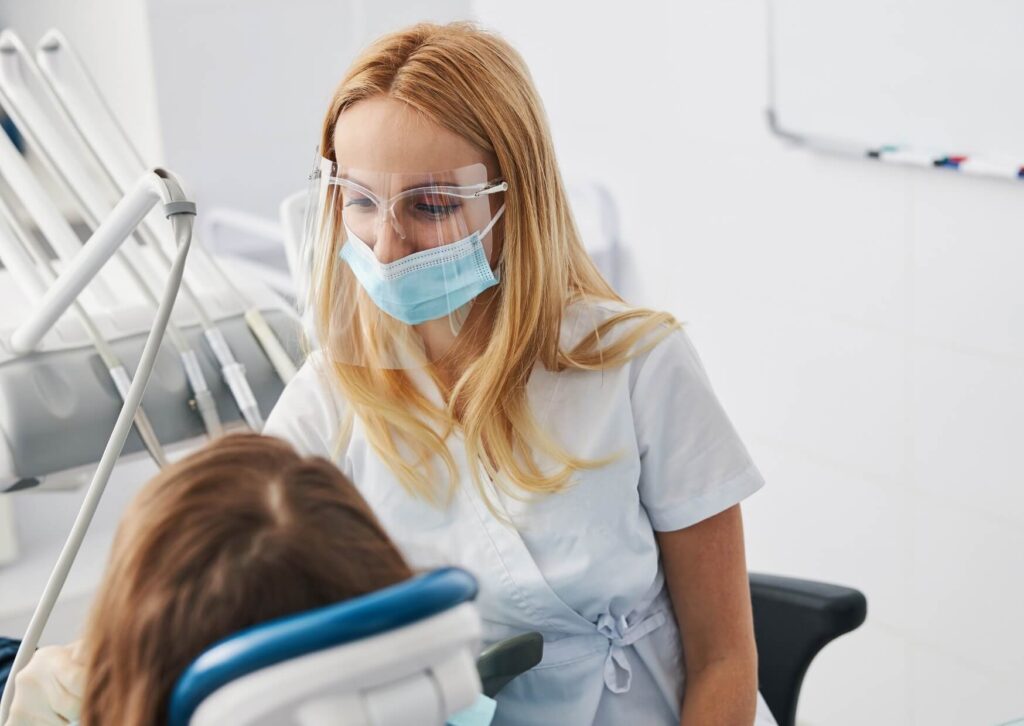
Clear braces may be a good fit for adults and teens with mild to moderate crowding, spacing, or bite concerns who want a more discreet fixed appliance. They can also work well for patients who do not want the responsibility of removable aligners.
They may be less ideal for patients who frequently eat hard foods, worry about bracket breakage, or want the least visible option possible. In some situations, an orthodontist may recommend metal braces for efficiency or durability, especially if the bite problem is more demanding.
A consultation should include more than a quick look at the front teeth. The bite, jaw relationship, gum health, enamel condition, and habits such as clenching or grinding all matter.
Orthodontic discomfort is common, but some symptoms deserve faster attention. Call a dental office promptly if there is significant swelling, bleeding that does not settle, a loose bracket causing injury, or pain that feels severe or keeps getting worse.
An urgent evaluation is also important if a tooth suddenly feels very loose, there is facial swelling, pus, fever, or trouble opening the mouth normally. Those symptoms may point to something more than routine brace soreness.
If any symptom is persistent, worsening, or hard to interpret, do not assume it is just part of braces. A dentist or orthodontist should assess it.
When treatment is well planned and maintained, clear braces can improve more than appearance. Straighter teeth may be easier to clean, and bite correction can sometimes reduce uneven wear, food trapping, or strain on certain teeth.
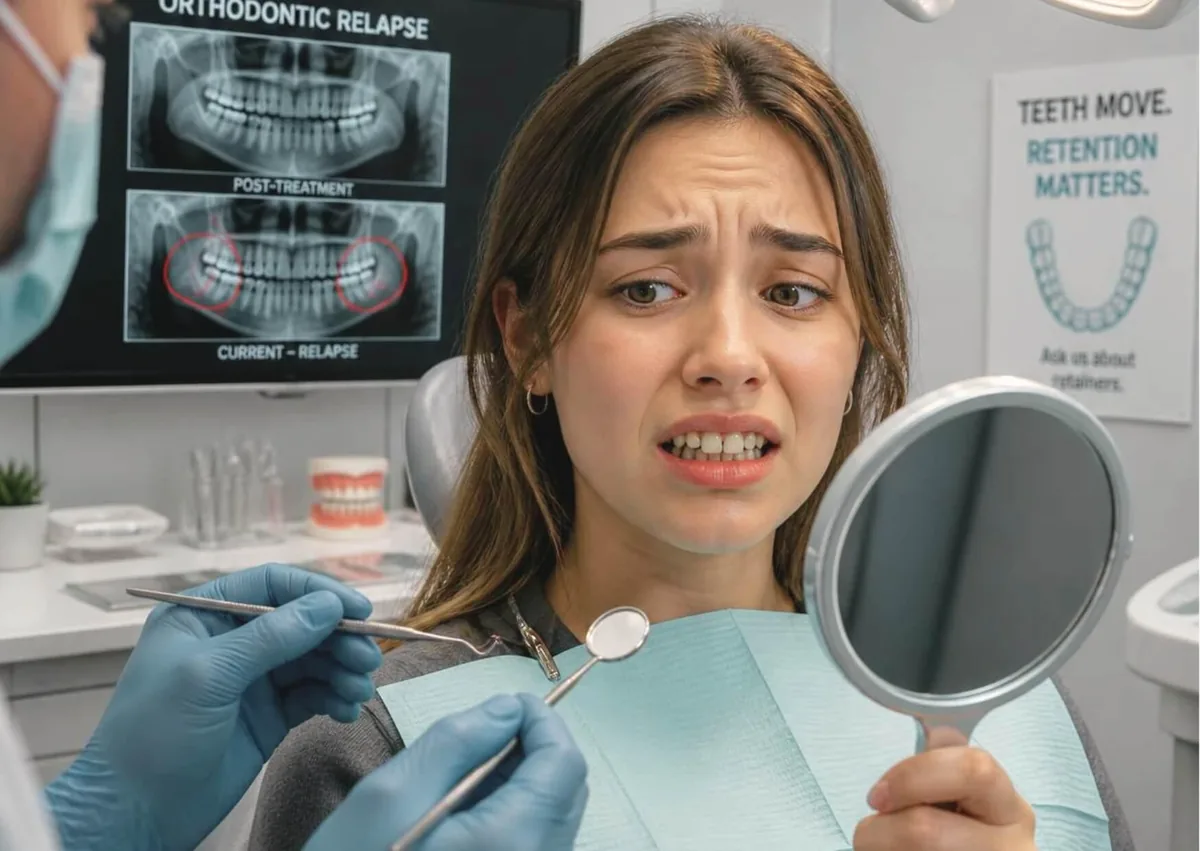
The long-term result still depends on retention after braces come off. Retainers help hold teeth in their new position because teeth naturally have some tendency to shift over time.
If the main hesitation is whether braces will be visible, clear braces often offer a reasonable compromise. They are not invisible, but for many patients they are discreet enough to make treatment feel more manageable.
If you are weighing clear braces against braces or aligners, an orthodontic evaluation is the best next step. A good consultation should explain what can be corrected, what the tradeoffs are, and which option makes the most sense for your bite rather than for a sales pitch.
At Smart Orthodontics in Charlotte, NC, we provide clear braces and discreet fixed-bracket options and serve patients from nearby Harrisburg and Huntersville; call (704) 549-8878 to schedule a consultation.
Often, yes. Adults who want fixed treatment with a less noticeable look often find clear braces worth the added cost, especially when aligners are not the best match for their bite or lifestyle.
In many cases, yes. Both can be effective, but metal braces are usually more durable, and some cases may be more efficient to treat with metal brackets.
The brackets themselves usually resist staining better than patients expect, but the elastic ties can discolor between visits. Foods and drinks with strong pigments are common reasons.
Not necessarily, but some patients feel they are slightly bulkier. The soreness from tooth movement is generally similar to other types of braces.
That depends on the bite problem, the type of tooth movement needed, and whether removable trays would realistically be worn consistently. A dental or orthodontic exam is the safest way to compare options for your situation.
Check out Smart Orthodontics Office hours to plan your visit.