Monday & Wednesday
8:00 am - 5:00 pm
Tuesday & Thursday
7:30 am - 4:00 pm
704-549-8878
Call Us Today!
SERVICIOS EN ESPAÑOL
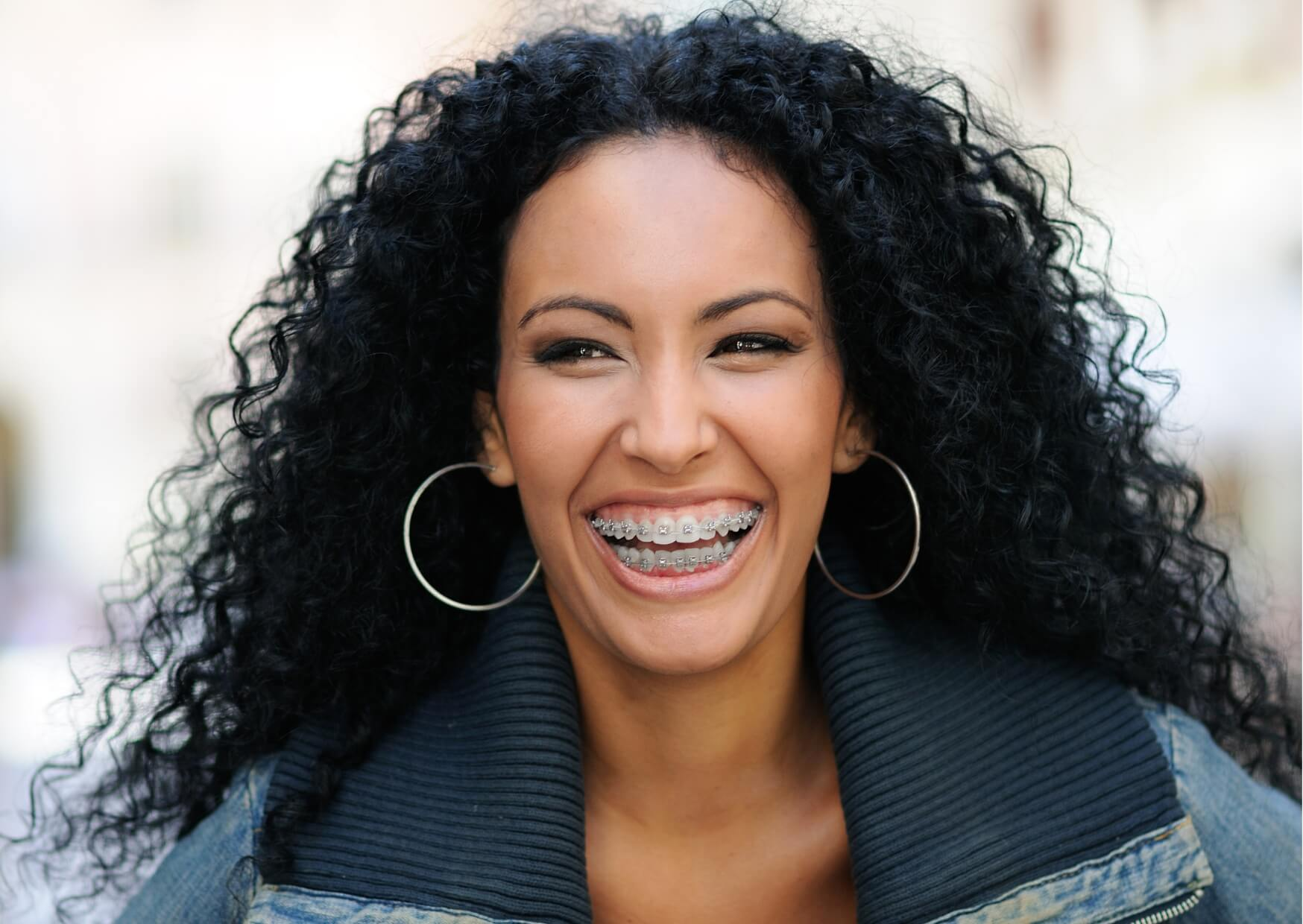
Yes. Adults can get braces, and many do.
Orthodontic treatment is not just for teenagers. Teeth can still move later in life because the bone around them responds to steady pressure, allowing an orthodontist to correct crowding, spacing, and bite problems at many ages.
For many adults, the concern is not only appearance. Teeth that do not line up well can be harder to clean, may wear unevenly, and can sometimes contribute to jaw strain or difficulty biting comfortably. The benefits of braces can include both cosmetic and functional improvements.
At Smart Orthodontics in Charlotte, NC, our orthodontic Services include adult braces and clear-aligner options for patients seeking improved alignment.
A common reason is a smile that has shifted over time. Some adults had braces years ago and noticed movement after not wearing retainers, while others never had orthodontic treatment and want to address crowding or a bite issue now. If you once had braces and are seeing movement, learn more about whether you need braces again.
Many adult patients ask about more than cosmetics. Bite alignment problems can affect chewing, make front teeth chip more easily, or leave certain areas harder to brush and floss well.
Gum health also matters. If there is active periodontal disease, meaning infection and inflammation affecting the gums and supporting bone, periodontal treatment usually needs to happen before braces begin.
Adults may also seek treatment before major dental work. Straightening teeth first can create better spacing for veneers, implants, or crowns and may improve how those restorations function over time.
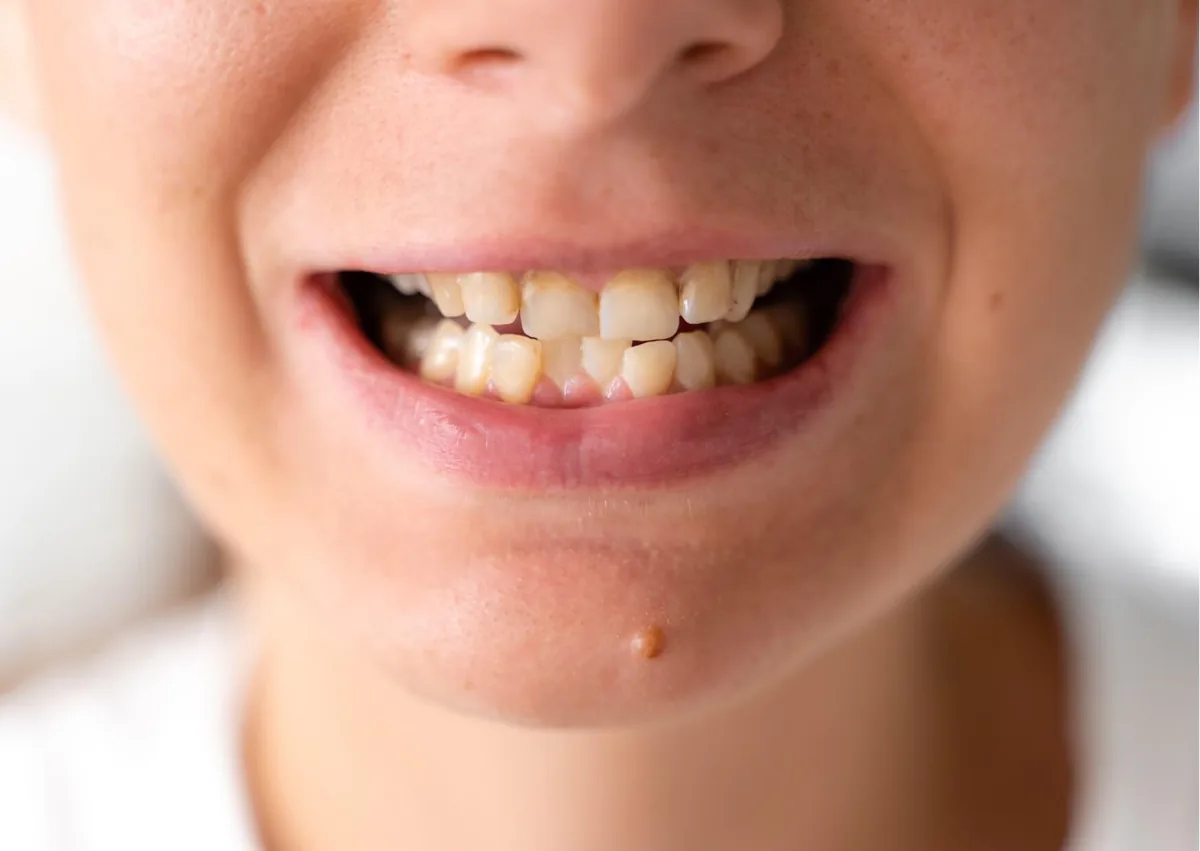
Braces can often treat crooked teeth, overlapping teeth, gaps, protruding front teeth, and several types of bite imbalance. These include overbite, underbite, crossbite, and open bite, although the best option depends on how the teeth and jaws relate to each other.
Some adult cases are straightforward. Others are more complex because the jawbones have finished growing, which can limit what orthodontics alone can change.
That difference matters. If the problem is mainly tooth position, braces or clear aligners may work well. If the issue is mostly skeletal, meaning related to jaw size or jaw position, treatment may be more involved.
An orthodontic exam usually includes photos, X-rays, and a bite assessment. This helps determine whether the goal is realistic with braces alone or whether another approach would give a healthier, more stable result.
Adults usually want a balance between effectiveness, appearance, and convenience. The right choice depends on case complexity, lifestyle, and budget.
Modern bracket systems such as Damon braces are one option patients may discuss with their orthodontist. Damon vs. traditional comparisons can help you weigh the differences between each system.
For a broader overview of appliance choices, see our types of braces.
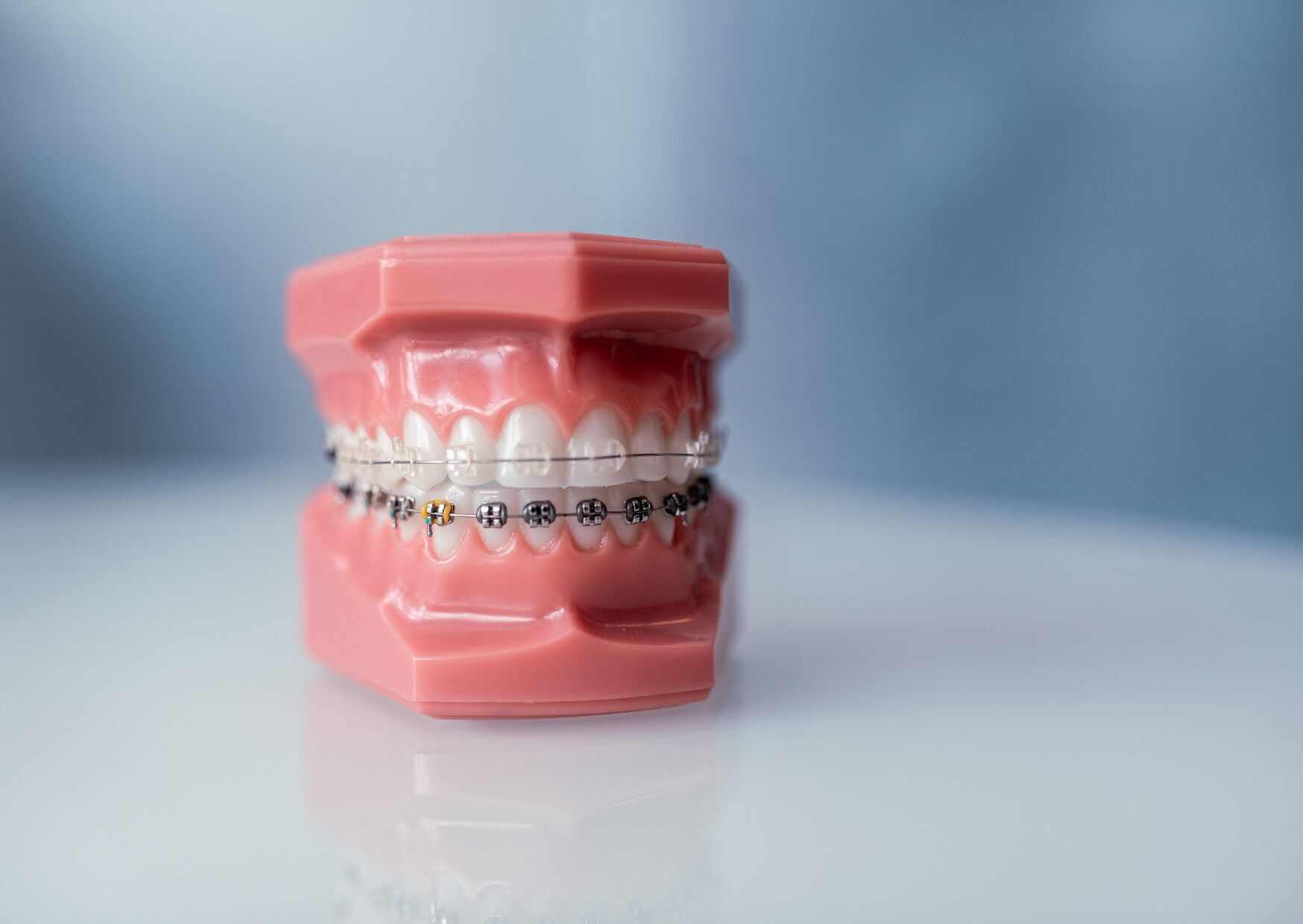
Metal braces remain one of the most effective options for many cases. See our braces options for more details. They are visible, but modern brackets are smaller than they used to be and give the orthodontist strong control over tooth movement.
Ceramic braces work similarly to metal braces but use tooth-colored or clear brackets. They are often less noticeable, though they may be more prone to staining around the elastic ties if oral hygiene and food choices are not ideal. For adults who want a less visible fixed option, learn more about our clear braces.
Lingual braces attach to the back surfaces of the teeth. They are hidden from view, but they can be harder to clean, may affect speech at first, and are not the best fit for every bite pattern.
Clear aligners are removable trays that gradually shift teeth. Many adults prefer them for appearance and flexibility, but success depends heavily on wearing them as directed. Some tooth movements are still more predictable with braces.
A short comparison can help:
| Option | Visibility | Removable? | Best For |
| Metal braces | Most visible | No | Complex tooth movement and bite correction |
| Ceramic braces | Less visible | No | Patients wanting fixed treatment with lower visibility |
| Lingual braces | Hidden | No | Select cases where appearance is a top concern |
| Clear aligners | Low visibility | Yes | Mild to moderate cases and patients who can wear trays consistently |
Invisalign vs. braces goes deeper into the tradeoffs and real-case examples, but here are the main points.
This is one of the most common comparisons, and there is no single winner for every adult. The best choice is the one that fits the biology of the case and the patient's ability to stay on track with treatment.
Braces are fixed in place, so they do not rely on being removed and reinserted correctly every day. That can make them more dependable for rotations, vertical movement, and more involved bite correction.
Aligners are appealing because they are discreet and can be removed for meals and brushing. Still, they work best when worn consistently, and adults with busy schedules sometimes underestimate how much discipline that requires.
If a case is borderline between the two, the orthodontist may explain where each option performs well and where compromises may appear. That conversation is usually more helpful than focusing only on looks.
Most adults do not describe braces as sharply painful, but they do notice pressure and soreness after adjustments or when switching aligners. That feeling is usually strongest in the first few days and then settles.
Soft tissue irritation can also happen early on. Brackets may rub the cheeks or lips until the mouth adapts, and aligner edges may feel noticeable at first.
Adults often ask whether treatment is harder later in life. In most cases, the process is manageable, but comfort, gum health, and existing dental work all deserve careful attention.
If pain is severe, persistent, or associated with swelling, fever, or a loose tooth, it should not be ignored. Urgent dental evaluation is appropriate when symptoms feel out of proportion or suddenly worsen.
Treatment length depends on the starting bite, the amount of movement needed, and how healthy the teeth and gums are at baseline. Many adult cases fall around 12 to 24 months, but some are shorter and some are longer.
Simple alignment may move faster than correction of a deep overbite, crossbite, or major crowding. Missed visits, broken brackets, and inconsistent aligner wear can also extend treatment.
Adults with restorations such as crowns, bridges, or implants need individualized planning. Natural teeth can move, but implants do not move with orthodontic force, which can affect sequencing and expectations.
For more detail on timelines, see how long braces take.
Adult mouths often come with more history. Fillings, crowns, gum recession, missing teeth, and wear from grinding can all influence the safest treatment plan.
One major factor is periodontal support. If there has been bone loss around the teeth, movement may still be possible, but it needs careful control and close monitoring.
Jaw joint symptoms also deserve attention. Clicking, locking, or facial muscle pain does not automatically mean braces are the cause or the cure, but those symptoms should be part of the evaluation.
In some cases, the orthodontist may coordinate with a general dentist, periodontist, or oral surgeon. That team approach often reflects thoughtful planning, not a problem with treatment.
Braces create more areas where plaque can collect, so cleaning matters. Plaque is the sticky film of bacteria that builds up on teeth and can lead to cavities, gum inflammation, and staining if it is not removed well.
Adults with braces should expect more detailed brushing and flossing habits than before treatment. Food choices may also need adjustment, especially with fixed braces that can break if exposed to hard or sticky foods.
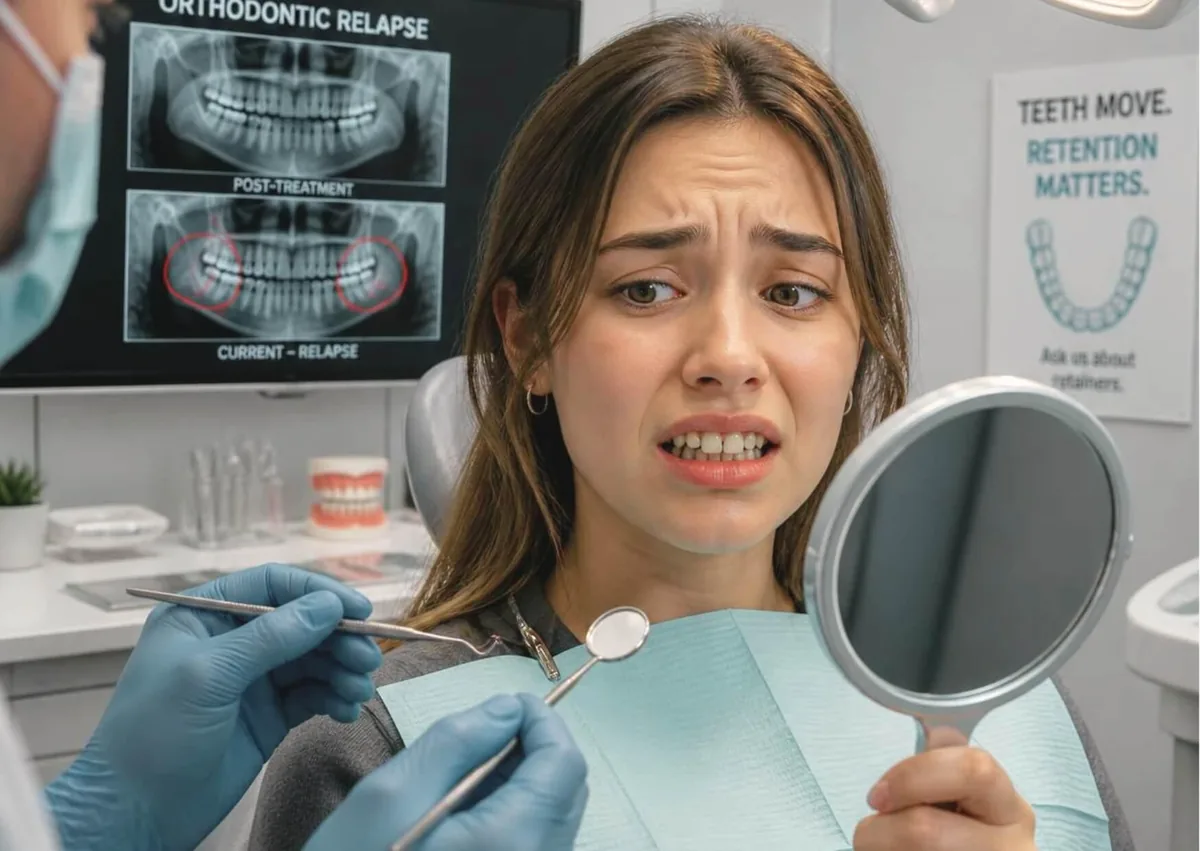
After active treatment, retainers are not optional if the goal is to keep the result. Teeth can shift back after braces or aligners, sometimes surprisingly quickly, especially in the first months after treatment ends.
That is one reason many adults seek retreatment later. A realistic orthodontic plan includes not just straightening, but also long-term retention.
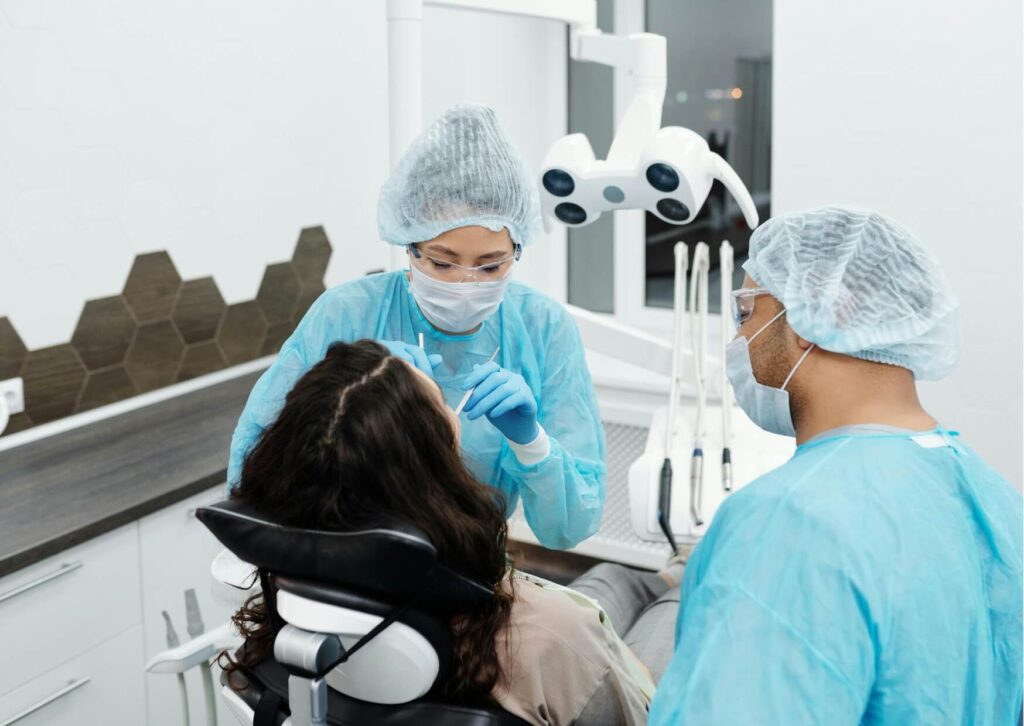
If teeth are crowding, drifting, chipping, or not meeting comfortably, an orthodontic consultation is reasonable. The same is true if cleaning certain areas feels difficult or if a dentist has pointed out bite-related wear.
Adults do not need to guess whether they are too old for braces. A proper exam can show what is biologically realistic, what options fit the case, and whether any gum or restorative issues should be addressed first.
In many cases, the best time to ask is before the problem becomes more complicated. A consultation can clarify whether treatment is simple, whether alternatives exist, and what kind of maintenance will be needed once the teeth are in a healthier position.
For many patients, a short exam can provide those answers. Schedule an evaluation to learn more about what an appointment includes.
Smart Orthodontics offers orthodontic services in Charlotte, NC and serves nearby Huntersville and Harrisburg; call (704) 549-8878 to schedule a consultation.
Usually, no. As long as the teeth, gums, and supporting bone can safely handle movement, adults may be good candidates for orthodontic treatment.
Sometimes, but not always. Adult treatment can be affected by bone support, gum health, and case complexity more than age alone.
Often, yes. Crowns usually do not prevent treatment, but implants do not move like natural teeth, so the plan may need modification.
That depends on the bite problem, the type of tooth movement needed, and how reliably the aligners would be worn. Some adult cases do very well with aligners, while others are better managed with braces.
Prompt evaluation is important for severe pain, swelling, bleeding that does not settle, signs of infection, or a tooth that feels suddenly loose in an unusual way. If symptoms are persistent or unclear, contacting the treating dental office is the safest next step.
Check out Smart Orthodontics Office hours to plan your visit.