Monday & Wednesday
8:00 am - 5:00 pm
Tuesday & Thursday
7:30 am - 4:00 pm
704-549-8878
Call Us Today!
SERVICIOS EN ESPAÑOL
An underbite may look simple at first. The lower teeth sit in front of the upper teeth, and the bite seems to tell one clear story.
In reality, the cause is not always simple. Some underbites come mostly from tooth position, while others are related to jaw size or jaw position, and that difference determines whether braces alone can correct the bite.
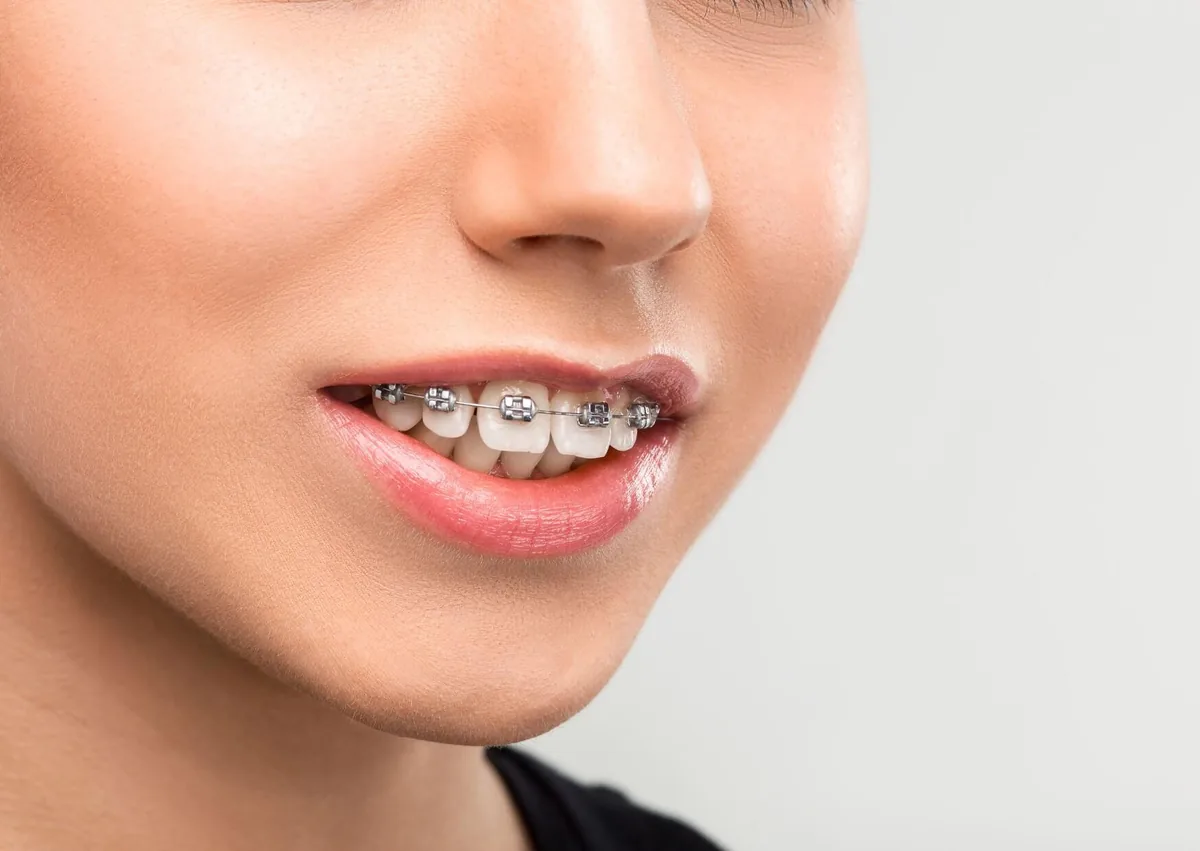
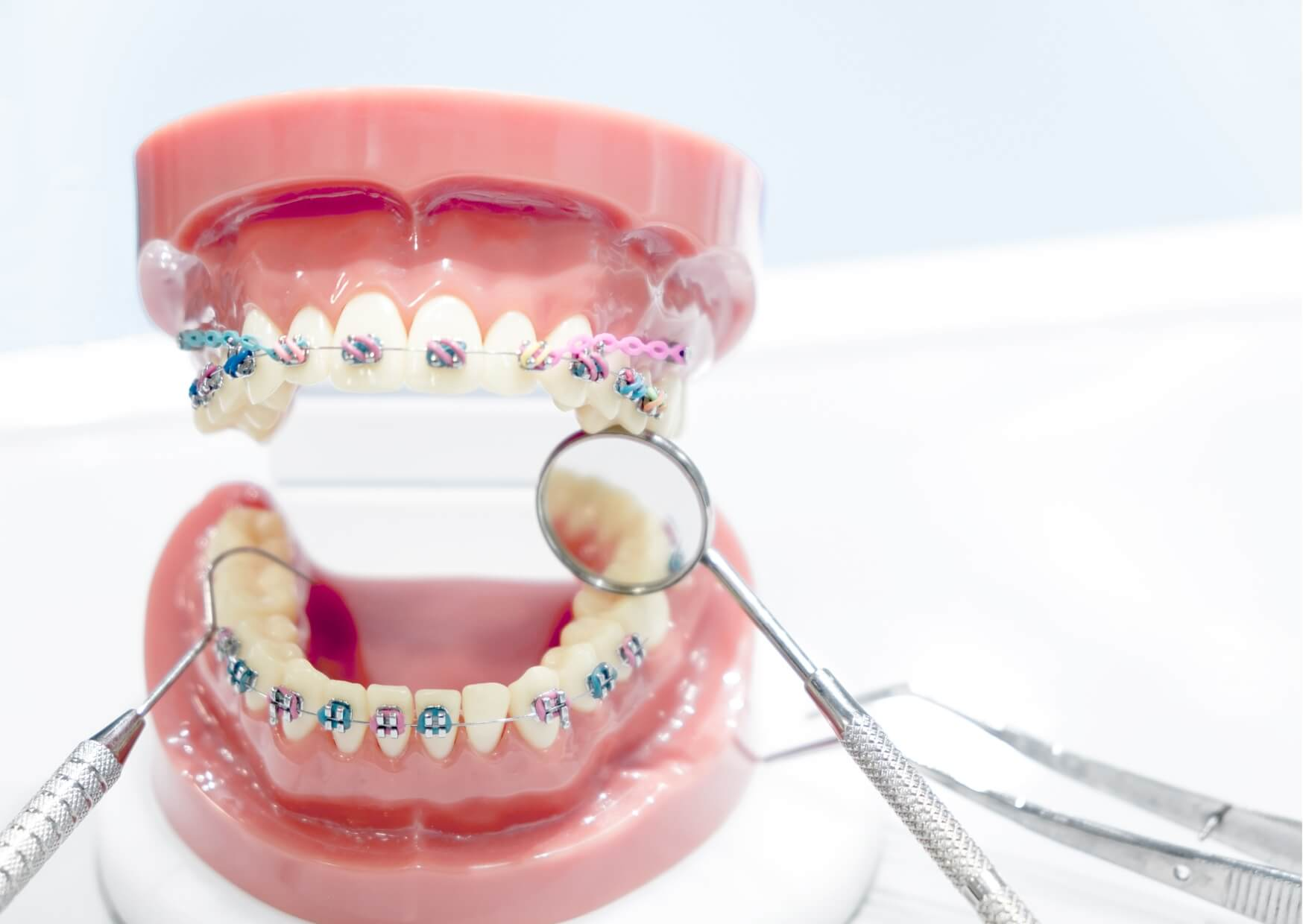
A dentist or orthodontist usually starts by asking where the mismatch begins. If the teeth are tipped, crowded, or erupting in the wrong path, braces may move them into a healthier position, and it may help to learn more about how braces work.
If the lower jaw is significantly forward, or the upper jaw is underdeveloped, braces may improve alignment but may not fully correct the bite or facial imbalance on their own. So the short answer is yes in some cases, no in others, and often more nuanced than patients expect.
Smart Orthodontics in Charlotte, NC offers orthodontic services and braces for patients seeking care for underbites and other bite concerns.
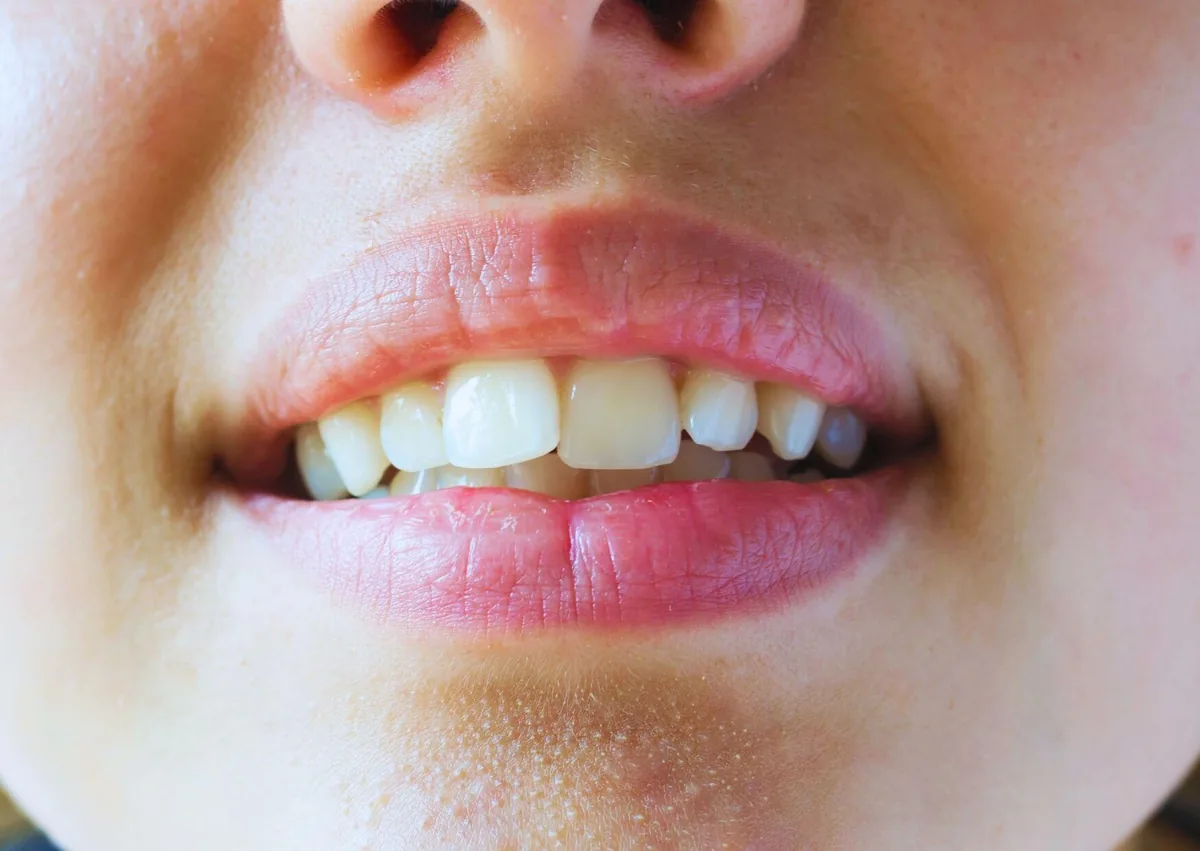
An underbite means the lower front teeth sit in front of the upper front teeth. When the front teeth are involved, dentists may also describe it as an anterior crossbite, though that term describes the bite pattern more than the underlying cause.
The visible bite is only part of the picture. The more important question is whether the underbite is dental, skeletal, or functional.
A dental underbite happens when the teeth are positioned in a way that creates the reverse overlap. A skeletal underbite means the upper and lower jaws are out of proportion or positioned too far forward or back relative to each other.
A functional shift is different. In some patients, the jaw slides forward during closing because of an interference in the bite, creating an underbite appearance that may not reflect the jaw’s natural resting position.
This distinction matters because treatment follows cause. Teeth can be moved with braces, but bite problems tied to jaw growth patterns are less likely to respond fully to brackets and wires alone.
Braces can often help when the underbite is caused mainly by tooth position rather than a major jaw discrepancy. In those cases, orthodontic treatment may bring the upper and lower teeth into a healthier, more stable bite.
This is more likely when the underbite is mild, the facial profile is fairly balanced, and the upper and lower jaws are reasonably well matched. Crowding, tipping, and arch width differences can all contribute to a bite that braces may improve.
In children and younger teens, timing can make a major difference. Because the jaws are still developing, an orthodontist may sometimes use growth-modifying treatment along with braces to improve the relationship between the upper and lower jaws; see our guide to the best age for braces.
That window does not stay open forever. Once growth is complete, braces can still move teeth well, but they cannot reliably correct a major skeletal mismatch.
Braces alone may be more likely to work if the underbite involves only a few teeth, the jaws appear proportionate, or the bite shift seems more dental than skeletal. An exam, photos, and X-rays are usually needed to confirm that.
This is often where expectations become clearer. A bite that looks dramatic in a photo may be mostly dental, while a subtle underbite may reflect a deeper jaw imbalance.
Some underbites are rooted in bone structure rather than tooth position. If the lower jaw is significantly prominent, or the upper jaw sits too far back, braces may straighten the teeth without fully correcting how the jaws meet.
That can leave a compromise result. The teeth may look straighter, but chewing, wear, speech, or facial balance may still be affected.
In moderate to severe skeletal cases, orthodontists may recommend braces plus other treatment. This may include early orthopedic appliances in younger patients, tooth extraction in selected cases, or jaw surgery combined with braces for adults with a major skeletal discrepancy.
Jaw surgery, also called orthognathic surgery, repositions the jaws to improve function and alignment. It is not the right path for every patient, but it can be the most definitive option when the main problem is in the bones rather than the teeth.
A good consultation should clearly explain what braces can improve, what they cannot change, and whether camouflage treatment would create tradeoffs. That conversation is often just as important as the treatment itself.
A proper evaluation goes beyond looking at the front teeth. The clinician usually checks how the molars fit together, whether the jaw shifts during closing, how the face is proportioned, and whether there are signs of tooth wear or gum strain.
X-rays and digital scans often help measure the relationship between the upper jaw, lower jaw, and teeth. These records can show whether the upper front teeth are tipped back, whether the lower incisors are flared forward, or whether the jaw bases themselves are out of alignment.
This matters because similar-looking underbites can need very different treatment plans. One patient may need straightforward braces, while another may need staged care over several years.
In a growing child, the orthodontist may try to guide jaw development while the bones are still responsive. In an adult, treatment usually focuses on tooth movement unless surgery is part of the plan.
That is why early assessment can be helpful even when treatment does not start right away. It gives the family a clearer map of what may happen and when timing matters most.
Some underbites are mostly cosmetic. Others interfere with how the teeth function every day.
When the bite is reversed, the front teeth may wear unevenly. The gums around overloaded teeth may also recede, which means the gumline pulls away and exposes more of the tooth surface.
Patients may notice trouble biting into foods like apples, sandwiches, or pizza crust. In some cases, speech sounds are also affected, especially when the front teeth do not guide airflow normally.
Jaw discomfort can happen too, though an underbite does not always cause temporomandibular disorder. That term refers to problems involving the jaw joints and surrounding muscles.
If the bite feels unstable, chewing becomes painful, or tooth wear seems to be getting worse, a dental evaluation is a sensible next step. Those signs do not prove one cause, but they do suggest the bite deserves closer attention.
Most underbites develop gradually and are evaluated in a routine dental or orthodontic setting. Still, some symptoms should not be ignored.
Seek prompt dental or medical care if there is sudden swelling, fever, facial trauma, or a rapid change in the bite. These problems may point to infection, injury, or another condition that needs urgent assessment.
Persistent jaw locking, severe pain with opening, or a new inability to chew normally also deserve timely evaluation. An underbite may be present in the background, but those symptoms can involve more than simple tooth alignment.
General information is helpful, but it cannot replace an exam when symptoms are severe, worsening, or hard to explain.
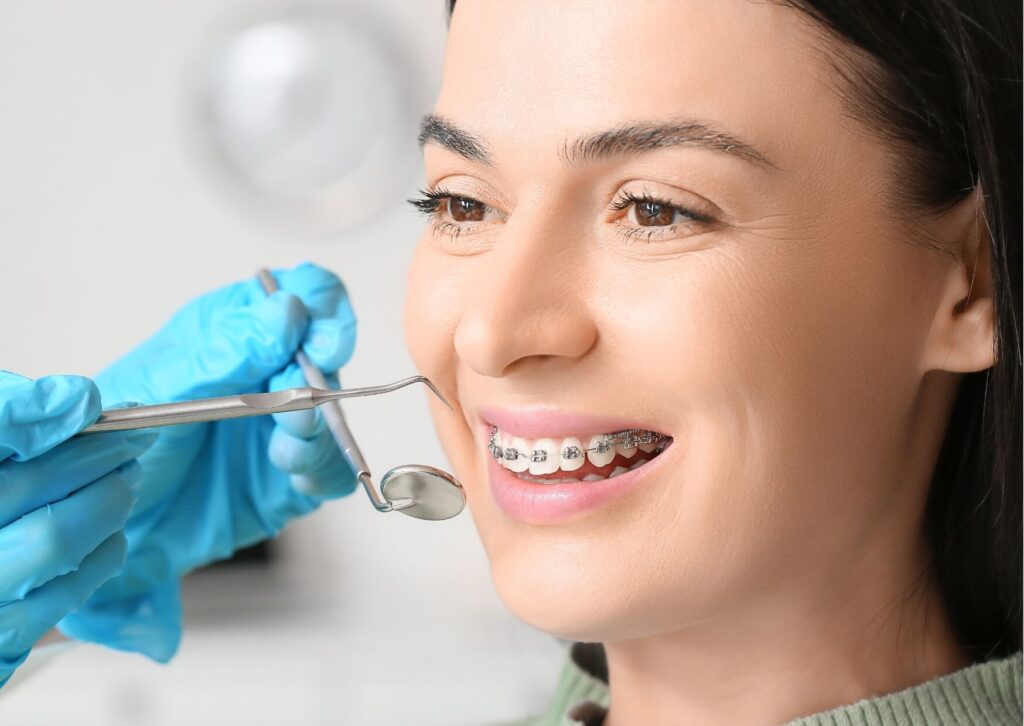
For a mild dental underbite, treatment may involve braces or, in selected cases, clear aligners if the needed tooth movements are suitable for that approach. To compare options, patients can read about the types of braces.
For patients who want a subtler look, treatment may also include clear braces that blend in more naturally while guiding tooth movement in many underbite cases.
For a growing child, the plan may include appliances designed to influence jaw development before or during braces. These timing-sensitive approaches are discussed in our article about children's braces.
For adults with a stronger skeletal pattern, braces may be used before and after jaw surgery to coordinate the teeth around the corrected jaw position. This is often a longer process, but it can address the underlying mismatch more directly.
One point is clear: the best treatment for an underbite depends less on the label and more on the anatomy behind it.
That is the key takeaway beneath the question. If an underbite has been causing concern, the next useful step is a careful orthodontic evaluation to explain what can truly move, what may resist, and what result is realistic.
Smart Orthodontics in Charlotte, NC provides braces and related orthodontic care for patients from Huntersville and Harrisburg; call (704) 549-8878 to schedule.
Sometimes. If the underbite is mainly dental, braces may correct it in an adult. If it is a significant skeletal underbite, full correction may require a combined orthodontic and surgical approach.
Often, yes. In children and younger teens, growth may still be guided, which can expand treatment options beyond tooth movement alone.
In selected mild cases, clear aligners may help correct an underbite caused mainly by tooth position. For a closer comparison of aligners and brackets, see invisalign vs braces. They are usually less suitable for more complex skeletal problems.
Not always. Some underbites are mild and cause few symptoms, but persistent bite problems, tooth wear, chewing difficulty, or cosmetic concerns justify an orthodontic evaluation.
You usually cannot tell reliably at home. A dentist or orthodontist may need an exam, photos, and imaging to determine whether the problem comes from tooth position, jaw structure, or both.
Check out Smart Orthodontics Office hours to plan your visit.