Monday & Wednesday
8:00 am - 5:00 pm
Tuesday & Thursday
7:30 am - 4:00 pm
704-549-8878
Call Us Today!
SERVICIOS EN ESPAÑOL
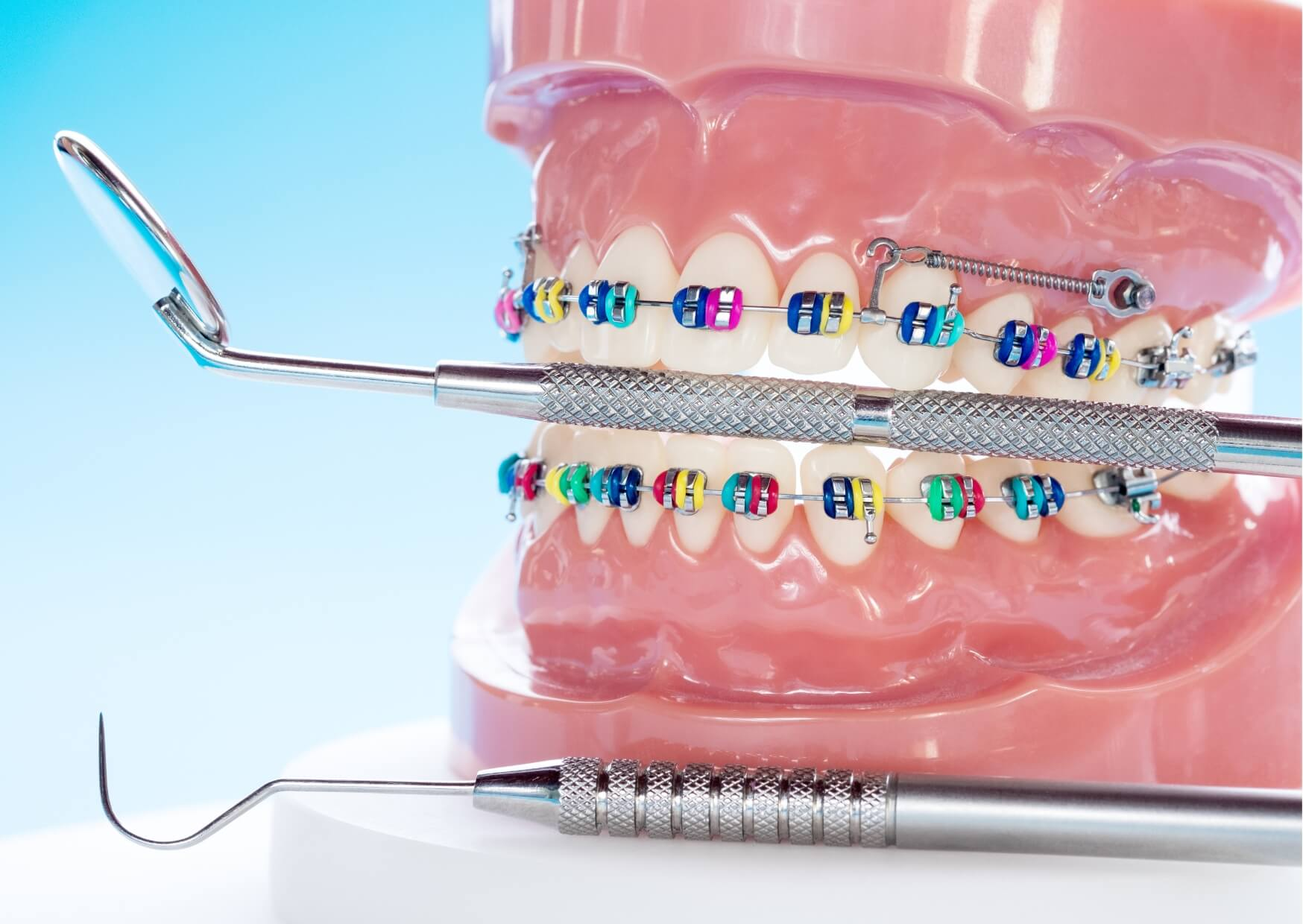
An overbite may seem minor at first. But when the upper front teeth cover the lower front teeth too much, it can lead to chewing problems, speech changes, tooth wear, or jaw strain over time.
So, do braces fix overbite? In many cases, yes. Braces can correct an overbite by moving teeth and improving how the bite fits together, but the result depends on age, growth, severity, and whether the problem comes from tooth position, jaw position, or both.
A mild overbite may respond well to braces alone. A deeper or more complex overbite may also need elastics, bite-correcting appliances, tooth reshaping, or coordinated care based on whether the issue is dental, skeletal, or mixed.
At Smart Orthodontics in Charlotte, NC, our braces treatment provides comprehensive orthodontic care that addresses both tooth position and bite relationships.
In dentistry, an overbite is the vertical overlap of the upper front teeth over the lower front teeth. Some overlap is normal, but too much overlap creates what orthodontists often call a deep bite.
Overjet is different. It describes how far the upper front teeth project forward horizontally, and some patients have both a deep overbite and increased overjet at the same time.
This difference matters because treatment planning changes based on the cause. A deep bite is not always the same as protruding front teeth.
Braces do more than straighten visible teeth. To understand the mechanics, see how braces work.
They can also change how the upper and lower teeth meet. That is why braces are often used to treat overbite, not just crowding.
An orthodontist may reduce a deep overbite by intruding certain teeth, which means moving them slightly upward into the bone. In other cases, treatment may extrude other teeth, meaning they are guided farther into position to improve the bite.
The goal is a bite that looks balanced and functions with less stress on the teeth and jaw. Overbite correction happens through controlled tooth movement over time, not through one quick adjustment.
Braces alone are sometimes enough, but many overbite cases need added mechanics. Orthodontic rubber bands, bite turbos, springs, or clear aligner attachments may help direct force so the front and back teeth settle into a healthier relationship.
These tools are not optional extras in many cases. They often make the difference between teeth that only look straighter and a bite that is actually more stable.
Not every overbite is caused only by tooth position. In some patients, the upper and lower jaws develop in a way that makes the bite too deep, especially when the lower jaw sits farther back or the growth pattern increases vertical overlap.
According to the American Association of Orthodontists, deep bites may be treated with various orthodontic treatments depending on the cause, severity, and the patient’s stage of growth. That is why a proper exam matters before choosing the best approach.
For a growing child or young teen, an orthodontist may sometimes use appliances that guide growth while the jaws are still developing. For adults, braces can still improve many overbites, but a severe skeletal problem may not fully resolve with tooth movement alone.
That does not mean treatment is not worthwhile. It means the goal may be meaningful improvement rather than complete correction, or the plan may include orthodontic treatment with jaw surgery in severe cases.
A deep overbite may contribute to worn front teeth, chipping, gum trauma behind the upper front teeth, or strain in the jaw muscles. Some patients also notice that the lower teeth bite into the roof of the mouth or that the smile feels closed in.
These signs do not confirm one diagnosis by themselves. But they do suggest the bite deserves a full orthodontic evaluation rather than a cosmetic shortcut.
The answer to whether braces fix overbite changes with age because growth changes what orthodontics can influence. In children and teens, the orthodontist may be able to guide erupting teeth and sometimes improve developing bite relationships more efficiently.
In adults, the bones are no longer growing. Treatment usually relies on moving teeth within the existing jaw structure, which still works very well for many patients.
Severe skeletal discrepancies can be harder to camouflage in adults. That is one reason early orthodontic treatment can matter.
A child does not always need immediate braces. But an early orthodontic screening can show whether observation, interceptive treatment, or later comprehensive braces makes the most sense.
If you are wondering when to start, see our best age for braces.
Many patients ask whether braces are necessary or whether clear aligners can do the same job. Read our Invisalign vs. braces comparison to learn more.
Both options can treat some overbites, but the best choice depends on the mechanics needed, patient compliance, and how much vertical control the case requires. Braces often give the orthodontist more direct control, especially in complex bite correction.
Aligners can also work well in the right case. Their success depends heavily on wearing them as directed and on whether the planned movements are realistic for that specific bite.
Neither option is always better. The right treatment is the one that can predictably correct the bite, not just straighten the front teeth.
We offer modern bracket choices, including Damon braces for lighter forces and clear braces for a less noticeable fixed appliance. Learn more about types of braces.
| Treatment Option | May Help with Overbite? | Main Advantage | Limitations to Consider |
| Braces | Often yes | Strong control for complex tooth movement | More visible and may feel harder to clean around |
| Clear aligners | Sometimes yes, often in mild to moderate cases | More discreet and removable | Requires consistent wear and may be less ideal for some severe bite patterns |
| Growth appliances | In selected younger patients | Can guide developing bite relationships | Only useful during growth windows |
| Combined orthodontic and surgical care | In severe skeletal cases | Can address jaw position directly | Reserved for carefully selected cases |
A deep overbite is often noticed because of appearance, but function matters just as much. When the front teeth meet too heavily, they may wear faster, chip more easily, or place extra force on the supporting tissues.
Some patients feel jaw fatigue, tension when chewing, or irritation where teeth contact soft tissue. Others mainly notice that the smile looks closed or that the lower teeth seem to disappear.
Treatment may improve smile balance, but it can also reduce excessive wear on the front teeth and help the bite distribute force more evenly.
An overbite is rarely a middle-of-the-night dental emergency, but some signs should not be ignored. If there is pain with biting, repeated chipping of front teeth, gum injury, difficulty chewing, a sudden change in the bite, or jaw locking, a dental or orthodontic evaluation should be arranged soon.
Urgent assessment is also wise after trauma to the mouth, especially if the front teeth feel loose, look displaced, or no longer meet normally. Dental emergencies can include injuries that need prompt evaluation.
Infections, swelling, fever, or severe dental pain need prompt dental care because those symptoms may point to a different and more urgent problem than overbite alone. Online photos and mirror checks can raise good questions, but they cannot measure the bite accurately.
A clinical exam, photographs, and often X-rays are what reveal whether the problem is mild crowding, a true deep bite, or a larger jaw relationship that needs a different plan.

A good consultation should answer more than whether braces are possible. It should explain what kind of overbite is present, how severe it is, whether the issue is mostly dental or skeletal, and what level of correction is realistic.
The orthodontist may look at facial proportions, tooth wear, gum health, jaw movement, and how the back teeth fit together. That broader view matters because a deep bite is part of the whole bite system, not just a front-tooth issue.
If the explanation feels too simple, it probably is. The best plans are clear without pretending every overbite follows the same pattern.
If your bite feels off, your front teeth are wearing down, or your smile seems to close over itself, a consultation can turn a vague concern into a clear plan. For a full evaluation, see our Orthodontic services to learn what an exam typically includes.
Smart Orthodontics in Charlotte, NC offers braces to correct overbite. Call us at (704) 549-8878 to schedule; we also serve patients from Harrisburg and Huntersville.
Often, yes, especially when the overbite is caused mainly by tooth position. In more severe skeletal cases, braces may improve the bite substantially but may not fully correct jaw-related issues on their own.
Treatment time varies based on severity, age, and the mechanics required. Mild cases may move faster, while deeper or more complex bites often take longer and may need several phases of adjustment.
No. Overbite treatment may also help reduce tooth wear, improve chewing, protect gums and oral tissues, and create a more stable bite.
Yes. Adults commonly receive braces or aligners for overbite treatment, although severe jaw-based problems can be harder to correct without additional approaches.
No. Some overbite is normal, and not every case causes harm. Treatment is more important when the overlap is excessive, symptoms are present, teeth are wearing, or the bite is unstable or difficult to clean around.
Check out Smart Orthodontics Office hours to plan your visit.