Monday & Wednesday
8:00 am - 5:00 pm
Tuesday & Thursday
7:30 am - 4:00 pm
704-549-8878
Call Us Today!
SERVICIOS EN ESPAÑOL
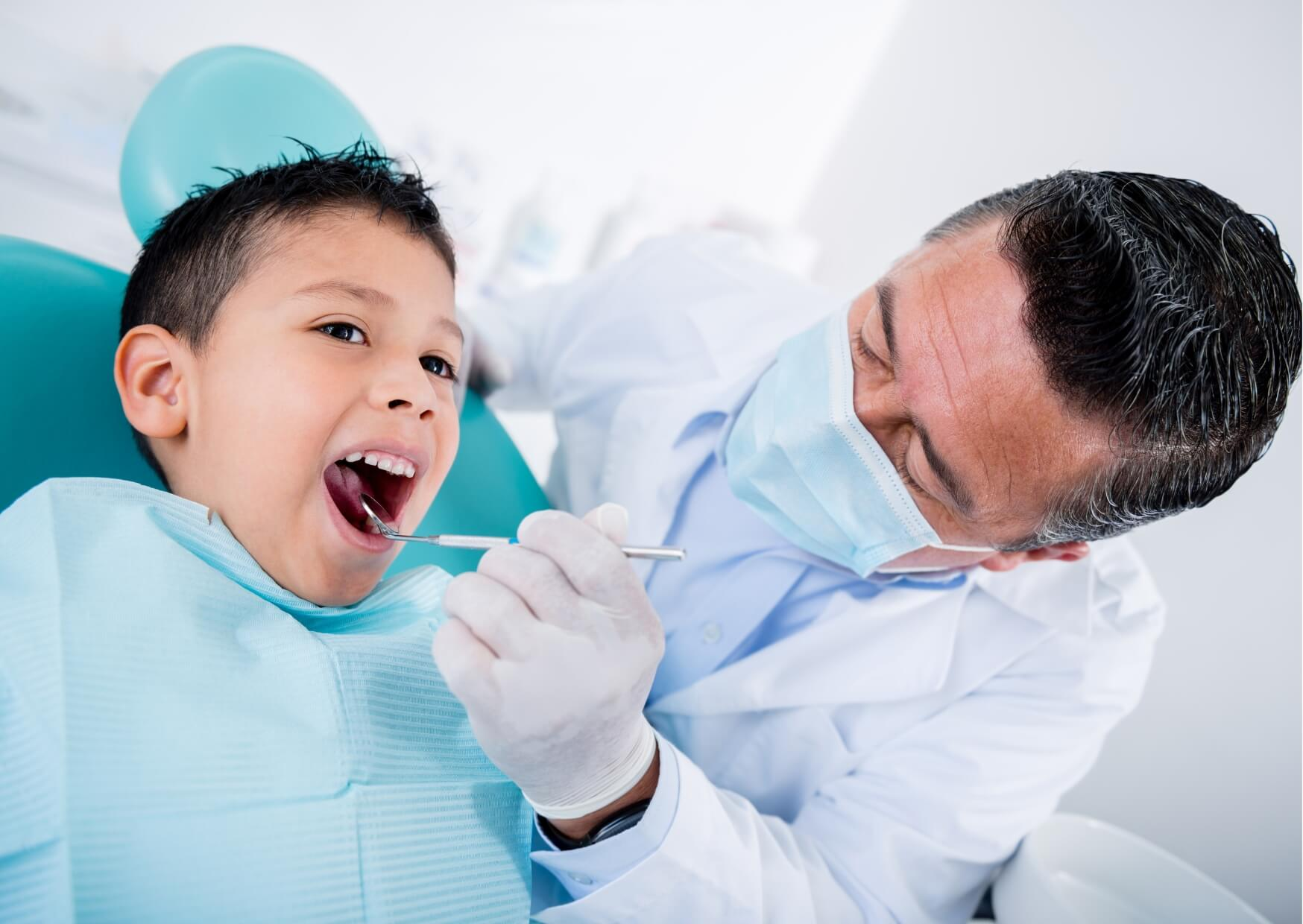
A child’s mouth is always changing. Baby teeth may be temporary, but they play an important job by holding space for the permanent teeth developing underneath.
A dental spacer for kids is a small device used to keep that space open when a baby tooth is lost too early. Dentists often call it a space maintainer because it helps stop nearby teeth from drifting into the empty spot before the adult tooth is ready to come in. A children's orthodontist can help determine whether a spacer is the right next step for your child.
A spacer does not replace the missing tooth. Instead, it protects the path ahead and may reduce crowding, lower the chance of bite problems, and sometimes reduce the need for more complex orthodontic treatment later.
Smart Orthodontics in Charlotte, NC offers orthodontic evaluation services and can assess whether a space maintainer might be the care your child needs.
Not every missing baby tooth needs a spacer. The decision depends on which tooth was lost, your child’s age, how soon the permanent tooth is expected to erupt, and whether nearby teeth have already started to move.
A dentist may recommend a spacer after early tooth loss caused by cavities, trauma, or extraction. This is especially common when a back baby tooth, such as a primary molar, is lost months or years before the adult tooth is due.
Front baby teeth are different. In many cases, a spacer is not needed there because those spaces often do not close the same way, though speech, appearance, and eruption timing can still matter.
The need for a spacer depends more on the pattern than the single event. A child who loses a baby molar very early may need closer follow-up than a child who loses a front tooth near the usual age, even if both situations seem simple at first.
The goal is to preserve enough room for the permanent tooth. Without that room, teeth can shift surprisingly quickly, especially in younger children.
Most children receive a fixed spacer, which stays in place until the dentist removes it. Youngest for braces answers common questions about how early orthodontic care can begin.
A common fixed design uses a metal band around one tooth connected to a small loop that holds the space open. Other designs may span more than one tooth if several teeth are missing.
In some cases, a removable appliance is used instead. That depends on the child’s age, cooperation, and bite.
The names may sound technical, but the purpose is simple. Each design is meant to preserve room for the permanent tooth while fitting the child’s stage of growth.
Fixed spacers are often the most reliable option for younger children. They do not depend on a child remembering to wear them, and they are less likely to get lost.
Removable spacers may work well for some older children. They are only effective if worn as directed and handled carefully.
The appointment is usually straightforward. The dentist examines the area, checks the bite, and may take X-rays to see the developing permanent tooth and estimate timing.
An impression or digital scan may be used to measure the space. At a later visit, the spacer is fitted and adjusted so it sits securely and does not interfere too much with chewing.
Most children adjust quickly. The first day or two may bring mild pressure, extra saliva, or the feeling that the tongue keeps finding the new appliance.
That early awkwardness is common. Significant pain, worsening discomfort, or anything that seems harmful should prompt a call to the dental office.
A spacer can briefly change how chewing feels. Sticky, crunchy, or very chewy foods may catch on the appliance more easily, so some children need a short adjustment period.
Speech may sound slightly different at first, especially if the tongue keeps testing the spacer. This usually improves as the mouth gets used to the new shape.
Cleaning matters. Food and plaque, a soft bacterial film that builds on teeth, can collect around the band or wire, so careful brushing and proper care are important.
Many children stop noticing the appliance after a few days. That is usually a good sign, as long as the spacer stays intact and follow-up visits are kept.

A spacer should be monitored, not ignored. Call the dentist if it becomes loose, bent, broken, or starts rubbing the gums enough to cause ongoing soreness or bleeding.
You should also seek prompt review if your child has swelling, fever, trouble chewing because of pain, or a bad taste that does not improve with brushing. These signs do not always mean infection, but they should not be left to guesswork.
If the appliance comes out completely, keep it if possible and contact the office. A lost or loose spacer can allow teeth to shift faster than many parents expect.
Urgent care matters even more after recent trauma, facial swelling, or if a child cannot eat comfortably. In those situations, timely dental assessment is the safer choice.
A spacer usually stays in place until the permanent tooth is ready to erupt. That timeline can vary widely because children do not all lose and gain teeth on the same schedule. The best age for braces is covered in another post if you want a deeper look at orthodontic timing.
Regular checkups let the dentist watch for tooth movement, gum irritation, and the position of the developing adult tooth on exam or X-ray. If the permanent tooth starts erupting, the spacer may need to be removed so the tooth can come in normally.
This is why follow-up matters as much as placement. A spacer is a temporary tool, and it only helps while the timing and fit remain right for your child’s mouth.
A spacer can help preserve room, but it cannot guarantee that every permanent tooth will erupt perfectly straight or that braces options will never be needed later.
Tooth position is shaped by more than one factor. Jaw growth, inherited crowding patterns, oral habits, and eruption timing all affect the final result.
Still, preserving space after early tooth loss is one of the clearest ways to reduce avoidable crowding. This early protection can influence whether a child later needs children's braces.
If your child has lost a baby tooth early or has been told an extraction may be needed, an orthodontic evaluation can clarify whether monitoring alone is enough or whether a spacer would protect the space more safely over time.
Smart Orthodontics in Charlotte, NC offers orthodontic evaluation for families in the area, including nearby Harrisburg and Huntersville; call (704) 549-8878 to schedule an appointment.
No. The need depends on the tooth involved, the child’s age, the amount of space available, and how soon the permanent tooth is expected to erupt.
They may feel strange at first, but they are not meant to cause ongoing pain. If discomfort is significant, worsening, or linked with swelling, the dentist should check it.
Usually yes, after a short adjustment period. Sticky and very chewy foods are more likely to catch on the appliance.
A child may say it wiggles, feels sharp, or moves during chewing or brushing. If you suspect movement, contact the dental office rather than waiting for the next routine visit.
No. A spacer mainly holds room open for a future tooth, while braces move teeth into a different position.
Check out Smart Orthodontics Office hours to plan your visit.