Monday & Wednesday
8:00 am - 5:00 pm
Tuesday & Thursday
7:30 am - 4:00 pm
704-549-8878
Call Us Today!
SERVICIOS EN ESPAÑOL
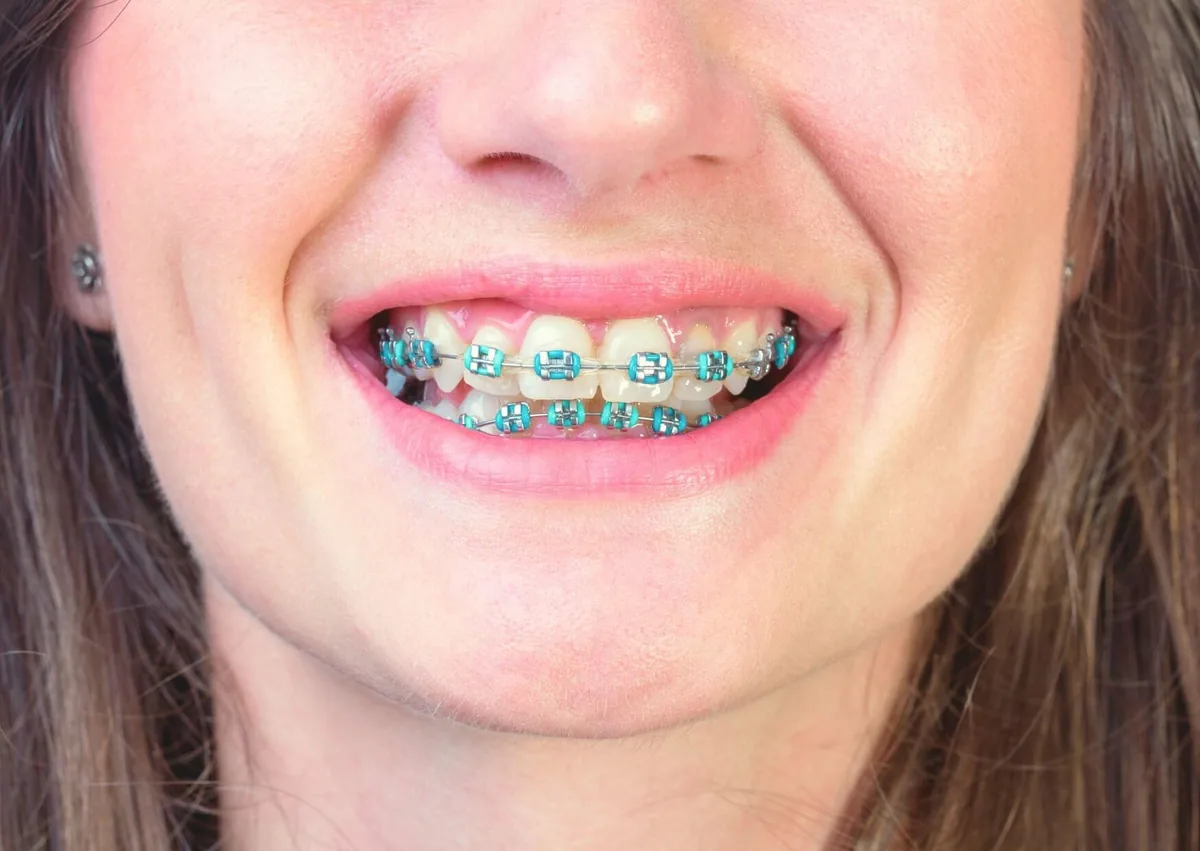
Crossbite correction usually involves orthodontic services, jaw expansion, or a combination of treatments based on your age and whether the problem comes from tooth position, jaw width, or both. Early treatment can help guide a growing jaw, while adults may be treated successfully with clear aligners, braces, expansion methods, or, in severe skeletal cases, jaw surgery; see adults get braces for more on adult treatment.
If you're weighing options to correct a crossbite, whether tooth movement, jaw expansion, or a combination, our orthodontic services can clarify which approach fits your age and jaw structure. Smart Orthodontics in Charlotte, NC helps patients understand tradeoffs, estimate likely timelines, and choose appliances that balance comfort and results.
A crossbite means one or more upper teeth bite inside the lower teeth instead of slightly outside them. It can affect the front teeth, the back teeth on one side, or both sides of the mouth.
Some crossbites come from tooth position alone. Others reflect a mismatch in jaw width or jaw position.
That difference matters because treatment is not the same in every case. A dentist or orthodontist may use an exam, photos, digital scans, or X-rays to decide whether the problem is dental, skeletal, or both.
A crossbite may lead to uneven tooth wear, chipped teeth, gum recession, or chewing problems. Some people also shift the lower jaw to one side when closing, which can contribute to asymmetry during growth.
Treatment depends on which teeth are involved, whether the jaws are still growing, and how much correction is needed. A correct diagnosis is important because tooth movement alone cannot always fix a jaw-width problem.
|
Treatment |
Often Considered For |
Main Tradeoffs |
|---|---|---|
|
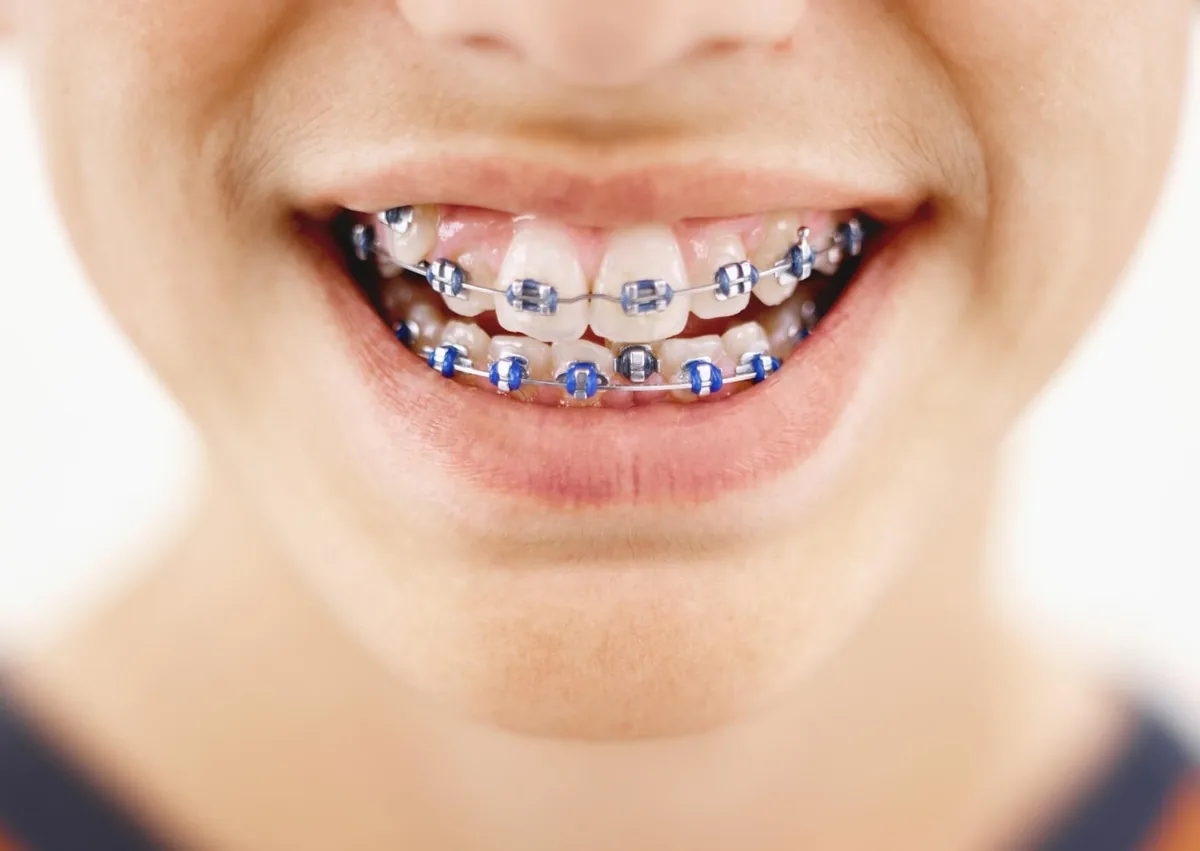
Dental crossbites and more complex tooth movement |
Precise and versatile, but visible and harder to clean around |
|
|
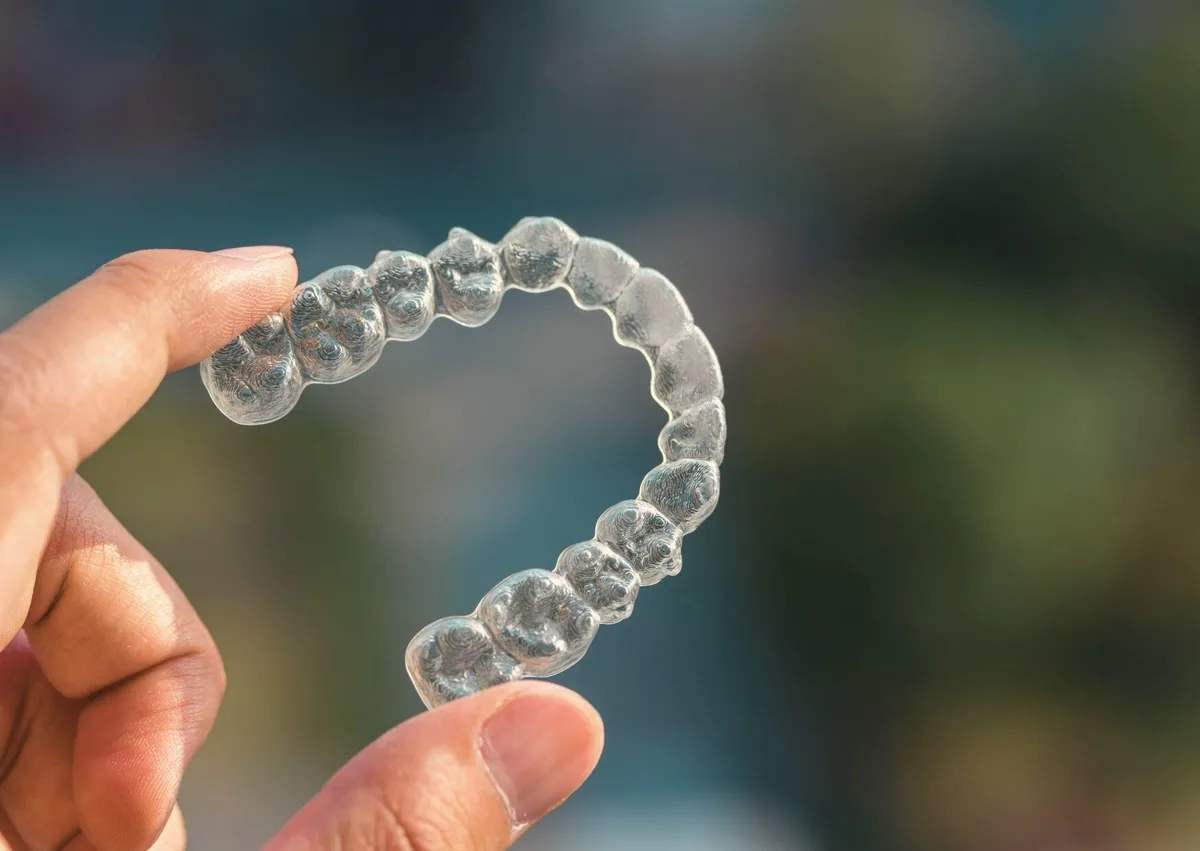
clear aligners |
Selected mild to moderate dental crossbites |
Removable and less noticeable, but require consistent wear and may need attachments or elastics |
|
Palatal expander |
A narrow upper jaw, especially during growth |
Can create needed width, but causes temporary pressure and changes in speech or eating |
|
Adult expansion techniques |
Selected adults with a narrow upper jaw |
May avoid major jaw surgery in some cases, but suitability depends on anatomy and may require a surgically assisted approach |
|
Jaw surgery with orthodontics |
Significant skeletal crossbites after growth |
Can address the jaw relationship directly, but involves surgery, recovery, cost, and a longer treatment process |
Braces or aligners may also use attachments, springs, or crossbite elastics to guide teeth into a better position. Elastics need to be worn exactly as prescribed because inconsistent wear can slow progress or create unwanted movement.
Some systems, such as Damon Braces, may improve comfort or efficiency for certain patients. The best appliance still depends on the exact tooth and jaw relationship.
An expander gradually widens the upper jaw or dental arch. In growing children, the midpalatal suture is usually more responsive, while adults may need a different appliance or a surgically assisted approach.
The American Association of Orthodontists recommends an evaluation by age 7 when enough permanent teeth have usually erupted to spot developing bite problems (see how young for braces). That does not mean every child needs treatment right away, but a crossbite with a jaw shift is one reason earlier care may be recommended.
Early crossbite correction may help reduce an abnormal closing pattern and improve space for developing teeth. Even so, some children still need braces or aligners later because early treatment does not prevent every future alignment issue.
Adults can also be treated successfully if the teeth, gums, and supporting bone are healthy enough. If there is active gum disease, untreated decay, or another dental problem, that usually needs to be addressed before orthodontic treatment begins.
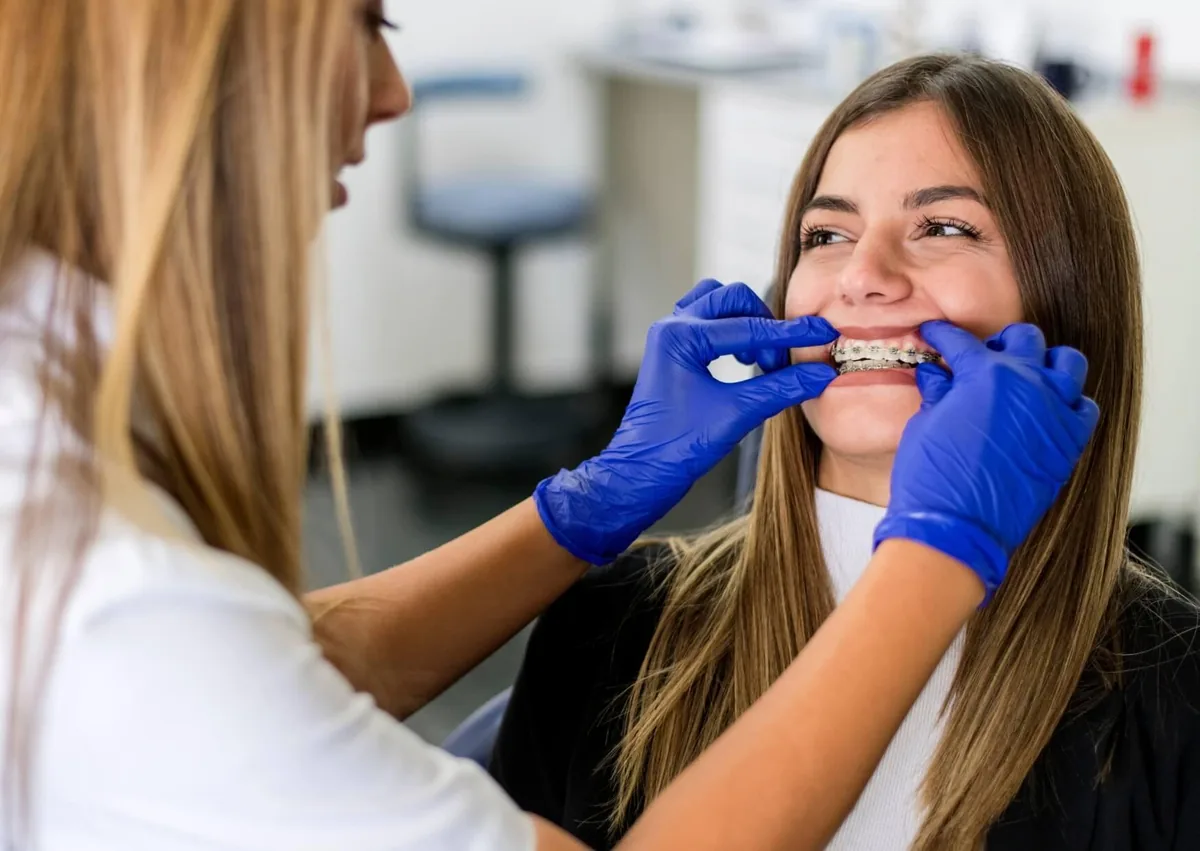
Mild pressure or tenderness is common for a few days after an appliance is placed, adjusted, or changed. Expanders may temporarily affect speech, increase saliva, or trap food, while braces and aligners can irritate the cheeks at first.
Treatment time ranges widely. A limited tooth correction may take several months, while complex orthodontic and surgical treatment may take two years or longer.
The timeline depends on growth, jaw structure, treatment complexity, and appliance wear. An exam is needed for a useful estimate; for typical timelines, see how long braces take.
Daily care matters throughout treatment. Careful brushing and interdental cleaning help reduce the risk of cavities and gum inflammation.
Removable aligners should be taken out for eating and cleaned as directed. Fixed expanders and braces need extra attention around bands, wires, and the gumline.
Contact the dental or orthodontic office if an appliance breaks, a wire keeps causing injury, or pain is severe or getting worse instead of better. Facial swelling, fever, trouble swallowing, trouble breathing, or signs of spreading infection need prompt professional evaluation, and breathing or swallowing difficulty should be treated as an emergency.
Teeth can shift after active treatment, so retainers are commonly needed to preserve the result. Read more about teeth shifting after braces.
Retainer type and wear schedule vary by case. Long-term use is often recommended because teeth naturally continue to move over time.
Correcting a crossbite may create a more balanced bite, reduce damaging tooth contact, and make chewing more comfortable. It may also lower the risk of further uneven wear or gum trauma, although it cannot reverse every problem that developed before treatment.
It is worth scheduling an evaluation if a tooth consistently bites on the wrong side of its opposing tooth, the jaw shifts while closing, chewing feels uneven, or wear and gum recession are developing. A dentist can screen the bite and treat active dental disease, while an orthodontist can determine which correction method best fits the tooth and jaw relationship.
A focused evaluation will confirm whether braces, clear aligners, expansion, or referral for surgery is the best path for your crossbite. Call Smart Orthodontics for orthodontic services in Charlotte, NC and nearby Harrisburg or Huntersville at (704) 549-8878 to schedule your consultation.
A crossbite usually does not correct itself reliably, especially when it reflects jaw width or an established tooth position. Because growth can make some patterns more noticeable over time, professional evaluation is usually better than waiting without guidance.
No. Depending on the cause, treatment may involve aligners, an expander, braces, elastics, jaw surgery, or a combination of methods.
Treatment more often causes temporary pressure or tenderness than severe pain. Persistent, intense, or worsening pain should be reported to the treating dentist or orthodontist.
Cost depends on the treatment type, complexity, duration, location, insurance coverage, and whether surgery is involved. A written estimate after an exam should outline expected fees, insurance benefits, and possible payment options. For more on cost without insurance, see braces without insurance.
Some crossbites stay fairly stable, while others contribute to uneven wear, gum recession, tooth damage, or an ongoing jaw shift. An evaluation can clarify the likely risks and whether treatment or periodic monitoring makes more sense.
Check out Smart Orthodontics Office hours to plan your visit.