Monday & Wednesday
8:00 am - 5:00 pm
Tuesday & Thursday
7:30 am - 4:00 pm
704-549-8878
Call Us Today!
SERVICIOS EN ESPAÑOL
If your teeth are starting to feel tight, a retainer no longer fits, or you're trying to avoid teeth shifting after braces or aligners, the first thing to know is this: a retainer usually costs about $100 to $500 per appliance in the United States. The total can be higher if you need retainers for both arches, a bonded retainer, new scans, repairs, or a replacement after loss or damage.
These are general cash-price estimates, not guaranteed fees. Your final cost depends on the retainer type, materials, your location, and whether retention is included in your orthodontic treatment plan.
If you're worried about a retainer no longer fitting or about teeth shifting after treatment, our orthodontic services can help you compare retention options and understand what may be needed next. Smart Orthodontics in Charlotte, NC provides practical guidance on retainer types, replacement costs, and wear plans so you can protect your smile with confidence.
A common concern after braces or clear aligners is whether teeth will stay straight on their own. In most cases, they do not without some form of retention.
Braces and clear aligners move teeth by applying controlled pressure while the surrounding bone and ligaments adapt over time (see braces or Invisalign). After active treatment ends, those tissues still need time to stabilize, and teeth can continue to shift throughout life.
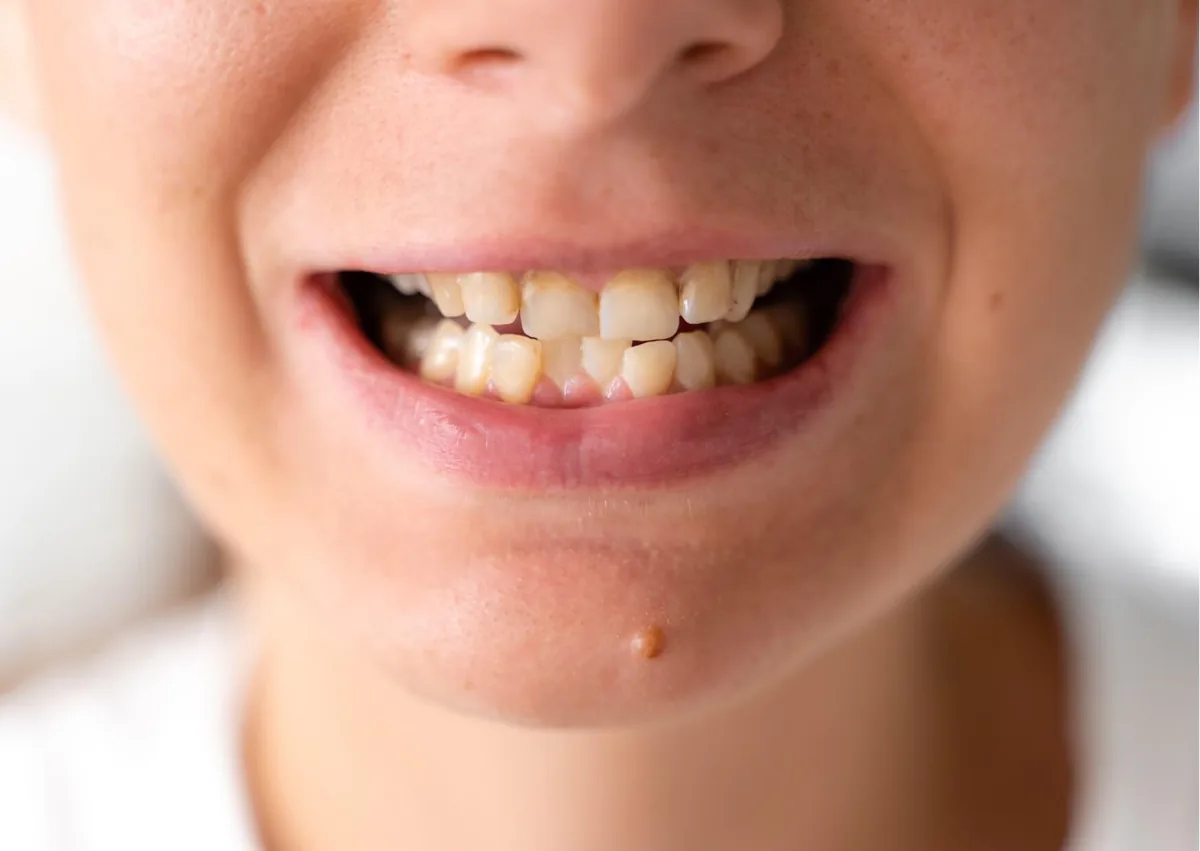
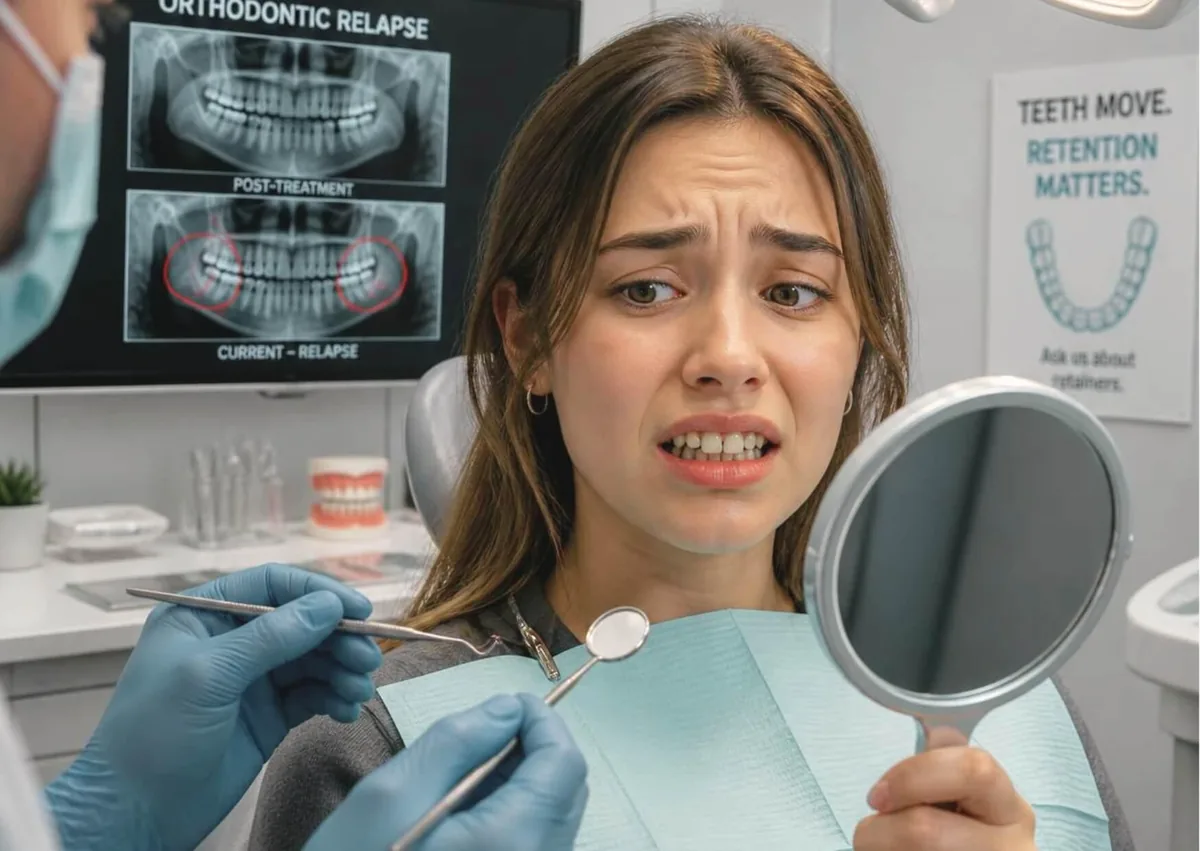
A retainer helps hold teeth in their corrected position and supports the bite achieved during treatment. Without regular wear, teeth may relapse and move partly or fully back toward their previous positions, which is one reason some people later need braces again.
If a retainer feels tight, that may mean a small amount of shifting has already happened. If it no longer seats fully, do not force it into place.
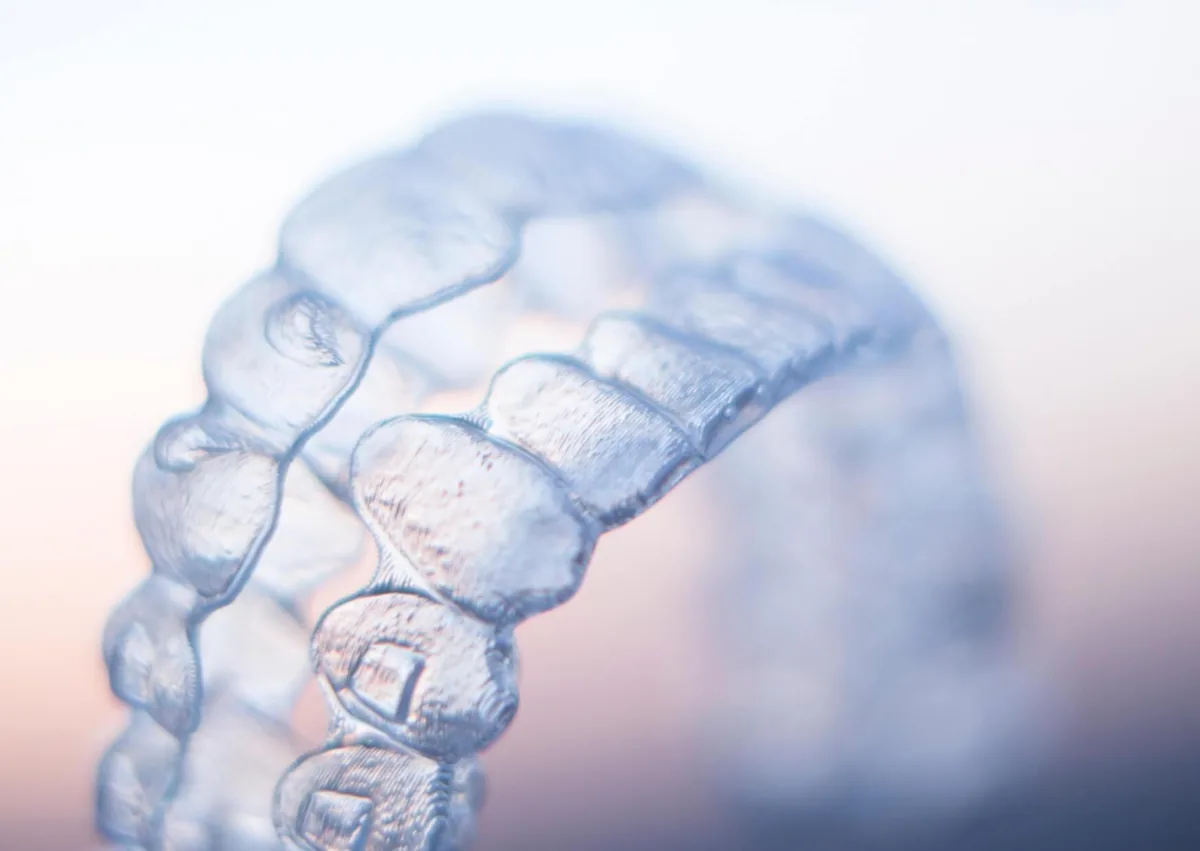
Clear plastic retainers, often called vacuum-formed retainers, usually cost about $100 to $300 per arch. For both upper and lower arches, the total may be about $200 to $600.
They are discreet and often comfortable, which makes them popular for nighttime wear. The tradeoff is that they can crack, warp with heat, discolor, or loosen over time.
Because they cover the biting surfaces, some people notice a temporary change in how their teeth meet while wearing them. They are also easy to lose, so some offices offer duplicate sets or replacement discounts.
A Hawley retainer commonly costs about $150 to $500 per arch. A set for both arches may range from about $300 to $1,000.
This type uses an acrylic base and a metal wire across the front teeth. It is more visible than a clear retainer, but it is often durable and can sometimes be adjusted instead of fully remade.
The acrylic may feel bulky at first, and speech can sound different for a short time. Many patients adapt within days to a couple of weeks.
A bonded retainer usually costs about $250 to $600 per arch. It is a thin wire attached behind selected front teeth, so it stays in place all the time.
This can be helpful when relapse risk is higher or when remembering to wear a removable retainer may be difficult. The tradeoffs are more involved flossing, possible plaque buildup around the wire, and occasional repair costs if the wire loosens or breaks.
Retainer fees vary based on the appliance design, material, lab costs, local pricing, and the amount of clinical work involved. A simple replacement may cost less than a retainer made after noticeable tooth movement or after a bonded wire failure.
Ask whether the quoted fee includes:
A lower upfront price is not always the better value. Durability, comfort, cleaning needs, and how likely you are to wear the retainer as directed all affect long-term cost.
Dental insurance may cover retainers when they are included in an approved orthodontic treatment plan, but replacement retainers are often excluded or limited. The AAO notes that coverage and whether retainers are included can vary by plan and insurer.
Before moving forward, ask for a written estimate and confirm whether the appliance, records, and follow-up visits are covered. If you are comparing broader treatment expenses, it may also help to review braces cost without insurance.
FSA or HSA funds may be eligible for prescribed retainers, depending on current plan and tax rules. Coverage details can change, so verify them before treatment or replacement.
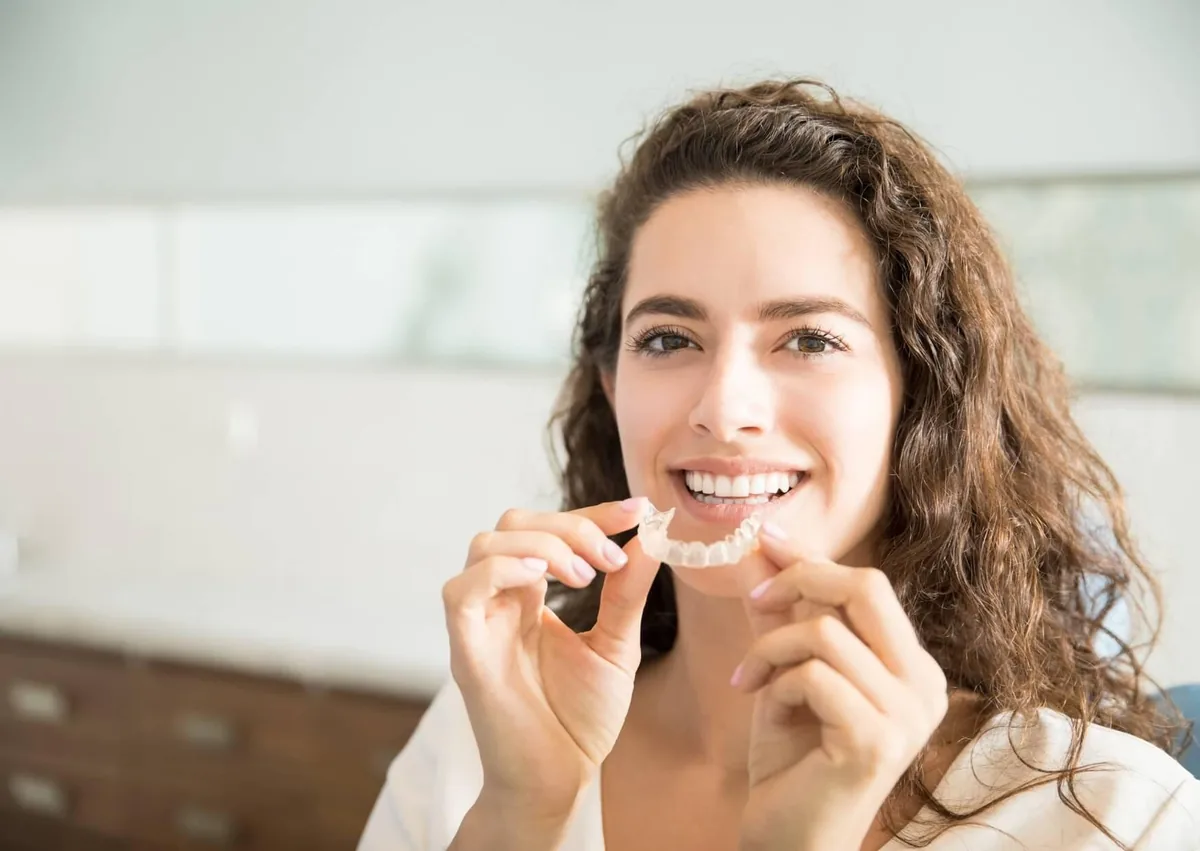
A new removable retainer should feel snug, and mild pressure is common at first. Hawley retainers may also affect speech briefly, while clear retainers may feel tight for the first few days.
Wear schedules vary based on your teeth, bite, and relapse risk. Many patients start with full-time wear except during meals and cleaning, then transition to nighttime wear, but your orthodontist should set the schedule.
Call for an evaluation if you have ongoing pain, mouth sores, a bite that suddenly feels off, or a retainer that will not seat properly. Seek urgent dental care for major swelling, uncontrolled bleeding, trauma, trouble swallowing or breathing, or a loose wire that creates an immediate injury risk.
Rinse a removable retainer after use and clean it as directed, usually with cool or lukewarm water and a soft brush. Hot water, dishwashers, and direct heat can warp plastic, and abrasive toothpaste can scratch clear retainers; Harvard Health offers similar cleaning advice.
Store removable retainers in a ventilated case and keep them away from pets, napkins, and pockets. For bonded retainers, clean carefully around the wire with flossing aids or interdental brushes and keep up with regular dental cleanings.
A retainer should be checked or replaced if it is cracked, warped, loose, painful, or no longer fits. Removable retainers may last from months to several years, while bonded retainers can last for years but still need monitoring and occasional repair.
Long-term retainer use helps protect the time and money invested in orthodontic treatment. It also supports tooth alignment, bite function, and smile stability over time.
Schedule an evaluation soon if your retainer is lost, broken, or no longer fits. Teeth can begin shifting before the changes are obvious.
A retainer check is also a good idea if you notice new spacing, crowding, gum irritation, bite changes, or a loose bonded wire. An orthodontist visit can clarify whether you need a simple replacement, a repair, or limited tooth movement before a new retainer is made.
To confirm whether a replacement retainer or minor correction is needed, arrange an evaluation so a clinician can assess fit and costs. Call Smart Orthodontics for orthodontic services in Charlotte, NC and nearby Harrisburg or Huntersville at (704) 549-8878 to book an appointment.
A replacement retainer often falls within the same general range as a new one, about $100 to $500 each. New scans, records, or an exam may add to the total, so contact the office promptly rather than waiting for visible shifting.
Sometimes. Some orthodontic treatment plans include an initial set of retainers, while others charge separately for retainers, follow-up visits, or future replacements.
Possibly, if it still fits fully and the shift is minor. Do not force a retainer into place, because that can damage the appliance or irritate teeth and gums.
The best value depends on relapse risk, appearance, comfort, hygiene, durability, and how consistently you will wear it. A lower-cost retainer may need replacement sooner, while a more durable option may cost more upfront.
There is no fixed replacement schedule. Retainers are replaced based on fit, wear, damage, hygiene, and changes in tooth position.
Check out Smart Orthodontics Office hours to plan your visit.