Monday & Wednesday
8:00 am - 5:00 pm
Tuesday & Thursday
7:30 am - 4:00 pm
704-549-8878
Call Us Today!
SERVICIOS EN ESPAÑOL
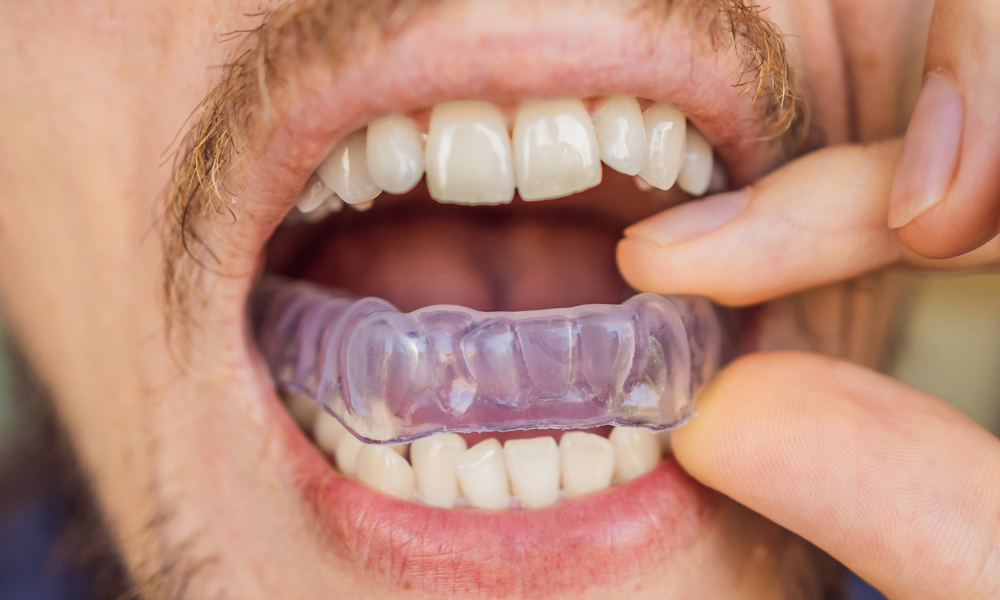
Nightguards are oral appliances designed to reduce damage from teeth grinding, also known as bruxism, by creating a protective barrier between the upper and lower teeth. They are typically worn during sleep to absorb pressure and help protect enamel from wear.
At Smart Orthodontics, nightguards are evaluated alongside bite alignment and orthodontic function to address both symptoms and contributing factors.
While nightguards may provide effective protection, results can vary depending on underlying bite conditions, habits, and consistency of use.
What it is: Removable oral appliance worn at night
Who it is for: Patients with grinding, clenching, or jaw tension
Main benefits: May help protect enamel, reduce pressure, and limit fracture risk
Limitations: Does not directly stop the cause of grinding
Timeline / durability: Typically lasts 6 months to 5+ years depending on material and usage
Nightguards function by redistributing bite forces and reducing direct tooth-to-tooth contact.
Core functions include:
For example, if grinding occurs regularly, a nightguard acts as a cushioning layer that helps minimize direct friction between teeth. Without protection, repeated pressure over time may contribute to enamel wear and structural changes.
Teeth grinding often develops from a combination of structural and behavioral factors rather than a single cause. According to the causes of teeth grinding, factors such as stress and sleep patterns may contribute to bruxism.
Common contributors include:
In some cases, bite issues may be addressed with:
Nightguards are typically considered when physical signs of grinding or clenching are present.
Common indicators include:
If symptoms persist, further evaluation may help determine contributing factors and appropriate treatment.
Stronger grinding patterns may require more durable materials for consistent protection.
A poorly fitted appliance may create uneven pressure, which can reduce comfort and effectiveness.
Bite alignment plays a key role in how pressure is distributed during sleep.
Key considerations include:
Nightguards focus on reducing mechanical stress on teeth and joints.
Potential benefits include:
Nightguards protect teeth but do not address all underlying causes.
Limitations include:
Nightguards and orthodontic treatment serve different roles:
Certain lifestyle factors may increase grinding intensity.
Examples include:
Managing these habits may help reduce grinding in some cases.
Early identification may help limit long-term damage.
If left unaddressed, grinding may lead to:
Proper care supports hygiene and durability.
Consistent care may help extend the lifespan of your appliance.
Further assessment may be helpful if:
Do nightguards stop teeth grinding?
No. Nightguards do not stop grinding but may help reduce its effects on teeth.
Are custom nightguards better than store-bought options?
Custom nightguards typically offer a more precise fit, which may improve comfort and protection.
Can nightguards reduce jaw pain?
They may help reduce strain in some cases, depending on the cause.
How long do nightguards last?
They may last between 6 months and 5+ years depending on use and material.
Can I wear a nightguard every night?
Yes, they are generally designed for nightly use unless advised otherwise.
Do I still need treatment if I use a nightguard?
Possibly. A nightguard protects teeth, but additional evaluation may be helpful if underlying causes are present.
Teeth grinding can gradually affect enamel, muscles, and jaw joints over time. While nightguards provide a protective barrier, long-term outcomes often depend on identifying contributing factors such as bite alignment, habits, and sleep patterns.
If you are noticing tooth wear, jaw soreness, or morning tension, it may be time to take the next step. Early attention can help reduce ongoing pressure on your teeth and prevent further complications.
If you have concerns about grinding or jaw discomfort, you can contact us to schedule an evaluation. A professional assessment can help identify the underlying cause and determine whether a custom nightguard or additional orthodontic care may be appropriate to support long-term oral health.
Check out Smart Orthodontics Office hours to plan your visit.