Monday & Wednesday
8:00 am - 5:00 pm
Tuesday & Thursday
7:30 am - 4:00 pm
704-549-8878
Call Us Today!
SERVICIOS EN ESPAÑOL
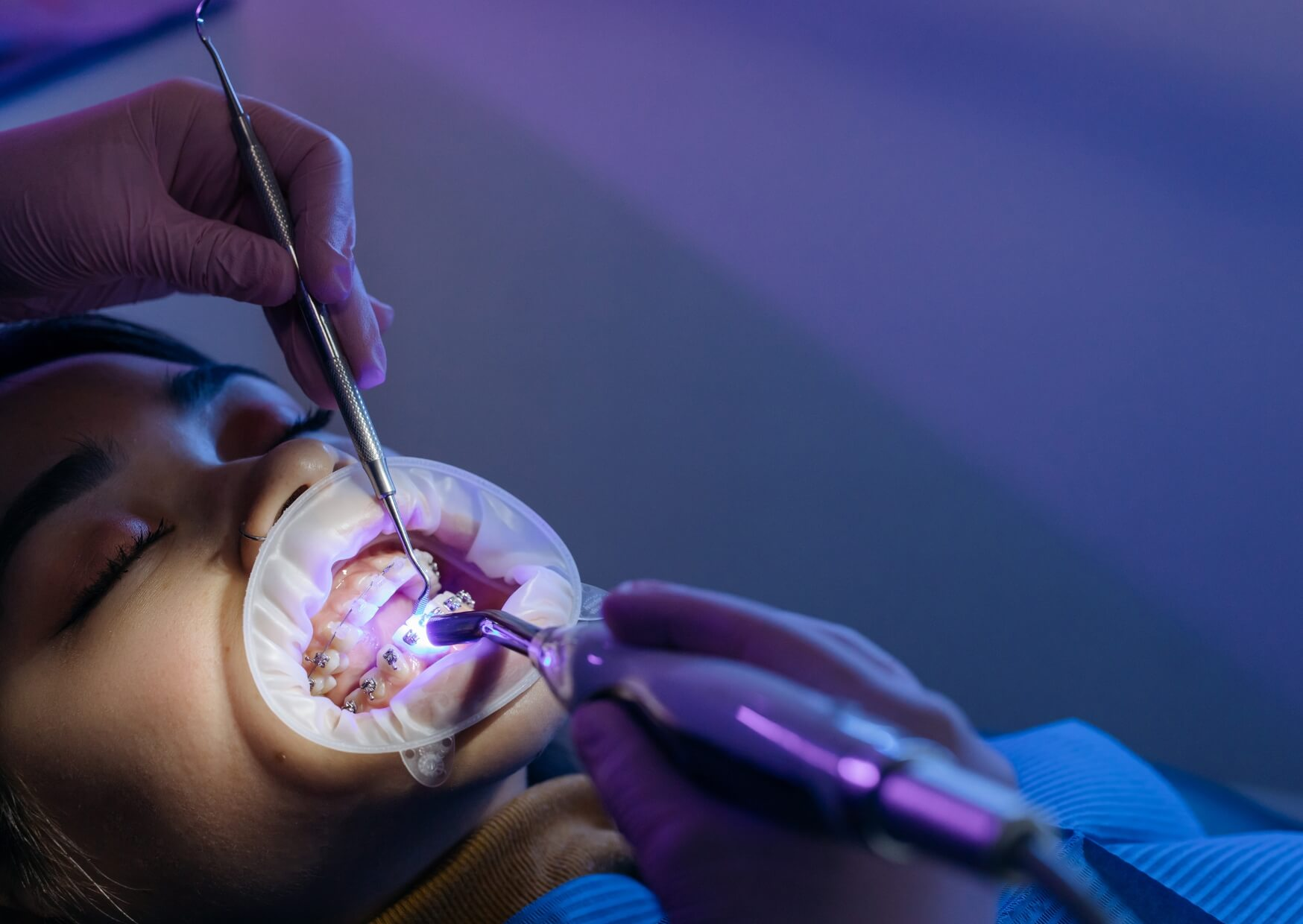
If crowded teeth, bite problems, or a smile that feels out of line has been bothering you, treatment time is usually one of the first questions that comes up. Most people want to know not just whether Damon braces work, but how long Damon braces usually take in real life.
In many cases, Damon braces take about 18 to 24 months. Some mild alignment problems may finish sooner, while more complex crowding, spacing, or bite correction can take longer. General braces treatment time can also vary widely from person to person.
That range is only a starting point. Tooth movement depends on bone biology, how the upper and lower teeth fit together, age, consistency with appointments, and whether extra appliances such as elastics are needed.
At Smart Orthodontics in Charlotte, NC, we offer Damon braces and personalized timelines for patients seeking efficient, predictable treatment.
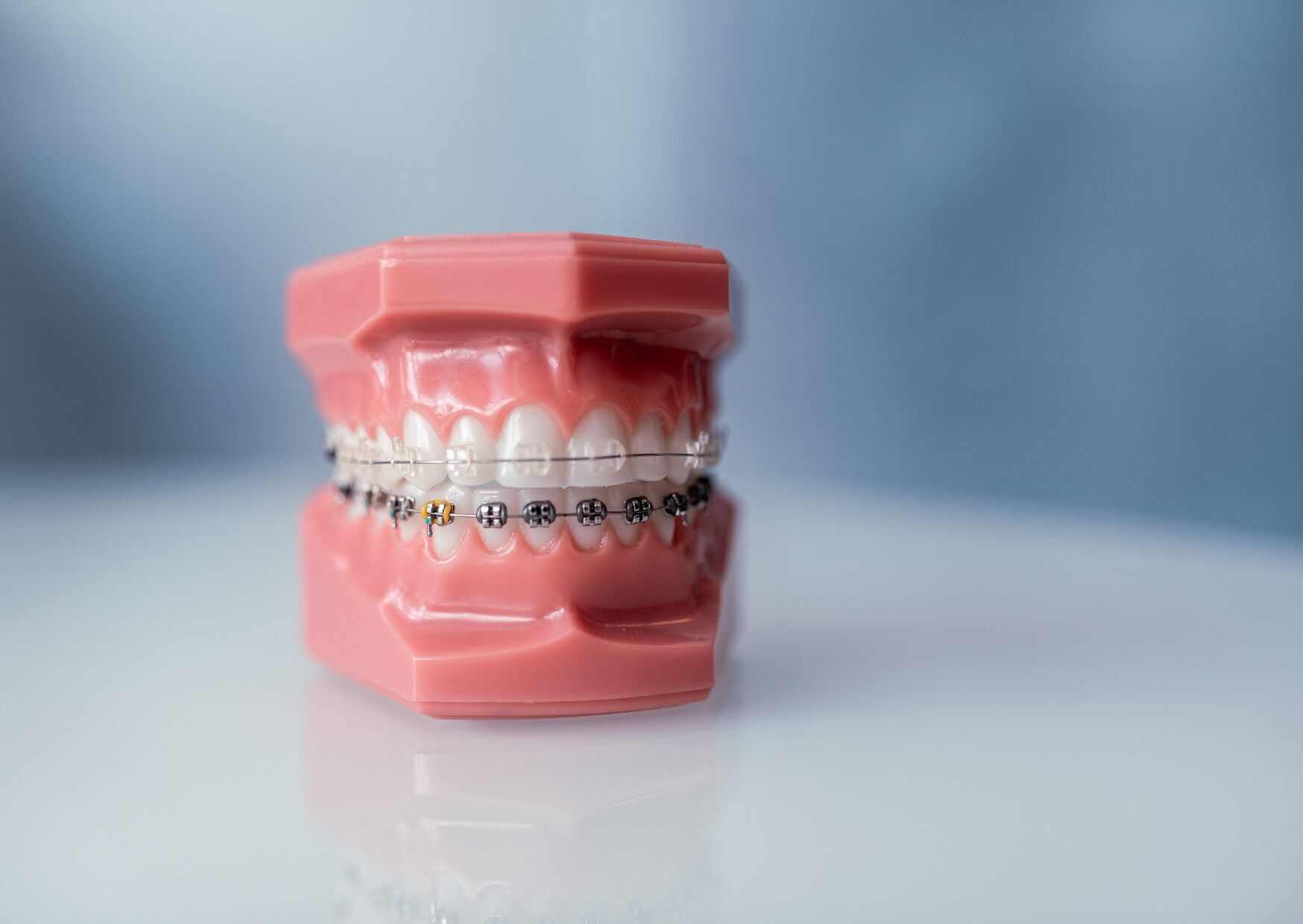
Damon braces are a type of self-ligating braces. That means the brackets use a built-in sliding mechanism to hold the wire instead of the small elastic ties commonly used with traditional braces.
This design may reduce friction as the wire moves through the brackets. In some cases, that can help teeth move efficiently, but it does not mean every patient will have dramatically faster treatment.
The main advantage is not just speed. For many patients, Damon braces can offer a more streamlined adjustment process, with fewer elastic ties and sometimes easier cleaning around the brackets.
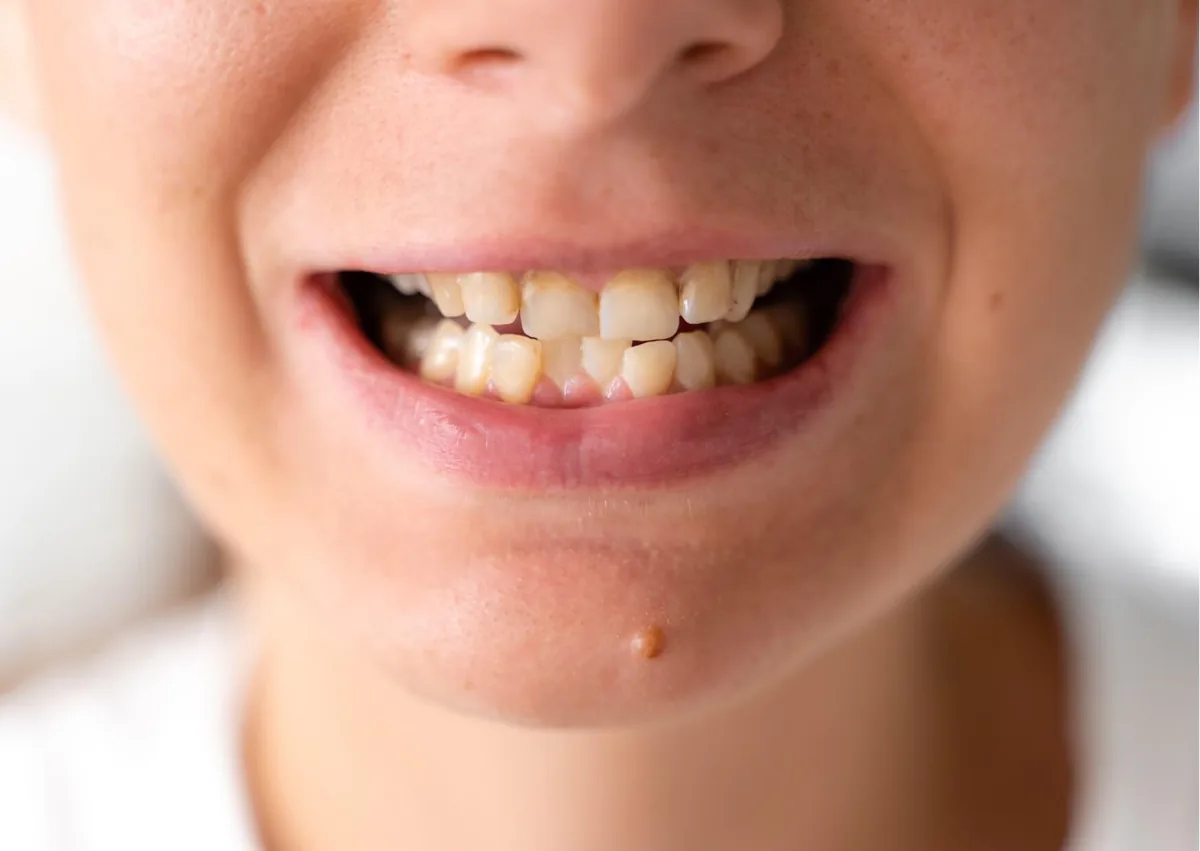
The biggest factor is the starting point. Mild spacing or limited crowding may respond faster than rotated teeth, significant crowding, or bite issues such as overbite, underbite, or crossbite.
Bite correction often takes longer than straightening the front teeth alone. A smile may look better early in treatment, but the back teeth and jaw relationship still need time to settle into a stable position.
Age can matter too, though not in a simple way. Teeth can move well in both teens and adults, but adult treatment may involve gum recession, missing teeth, restorations, or bone changes that affect planning.
Patient cooperation also plays a major role. If elastics, expanders, or other orthodontic tools are part of the plan, wearing them as directed often affects whether treatment stays on schedule.
Missed visits and broken brackets can add time. Poor oral hygiene can also slow safe tooth movement and may force the orthodontist to pause treatment.
Many patients ask whether Damon braces are faster than traditional braces. The honest answer is that they may be faster in some situations, but the difference is often smaller than marketing suggests.
Treatment time usually depends more on diagnosis and treatment goals than on bracket brand alone. Research on self-ligating vs. conventional brackets also suggests that the overall difference in treatment efficiency is not always dramatic.
Damon vs. traditional braces are covered in more detail in our Damon vs. traditional braces comparison.
That said, the bracket system can influence efficiency at certain stages of treatment. Some orthodontists prefer Damon braces because wire changes and tooth alignment can be managed smoothly in selected cases.
Comfort and maintenance may also shape the experience. Traditional braces use elastic ties that can trap more plaque and stain over time, while self-ligating brackets avoid that specific issue.
The first phase usually focuses on leveling and aligning the teeth. During this stage, lighter wires are often used to begin gentle movement.
Many patients notice visible changes within a few months, especially if crowding is in the front teeth. That early improvement is encouraging, but it does not mean treatment is almost done.
Soreness is common after braces are placed and after some adjustments. It is usually temporary and tends to improve as the mouth adapts.
Soft tissue irritation can also happen at first. The cheeks and lips often need time to adjust to brackets, even when the system is designed to reduce friction.
Teeth do not move on a fixed calendar. They move through bone remodeling, which is the body’s process of breaking down and rebuilding bone around the roots.
That process has biological limits. Moving too fast can increase the risk of root resorption, which means shortening of the tooth root, as well as gum or bone problems in vulnerable areas.
Sometimes treatment takes longer because the original problem is more complex than it first appeared. Impacted teeth, asymmetry, jaw discrepancy, or unstable bite contacts may only become fully clear after movement begins.
There are also practical setbacks. Broken appliances, poor elastic wear, missed hygiene visits, and untreated cavities can all delay progress.
If pain becomes severe, a wire is poking, a bracket comes loose, or swelling develops, contact the orthodontic office. Sudden swelling, fever, or trouble swallowing should be treated as urgent and evaluated promptly.
The best way to keep treatment moving is to attend visits on time and follow the orthodontist’s instructions closely. Small delays can add up over many months.
Cleaning matters more than many patients expect. Plaque buildup around brackets can irritate the gums, increase the risk of decalcification, which is early enamel damage, and make treatment less predictable.
Food choices also affect timing. Hard or sticky foods can break brackets or bend wires, which may interrupt planned tooth movement. For tips on safe choices, see our what to eat with braces guide.
If elastics are prescribed, consistency matters. Wearing them only occasionally often slows bite correction, even when the teeth appear to be straightening.
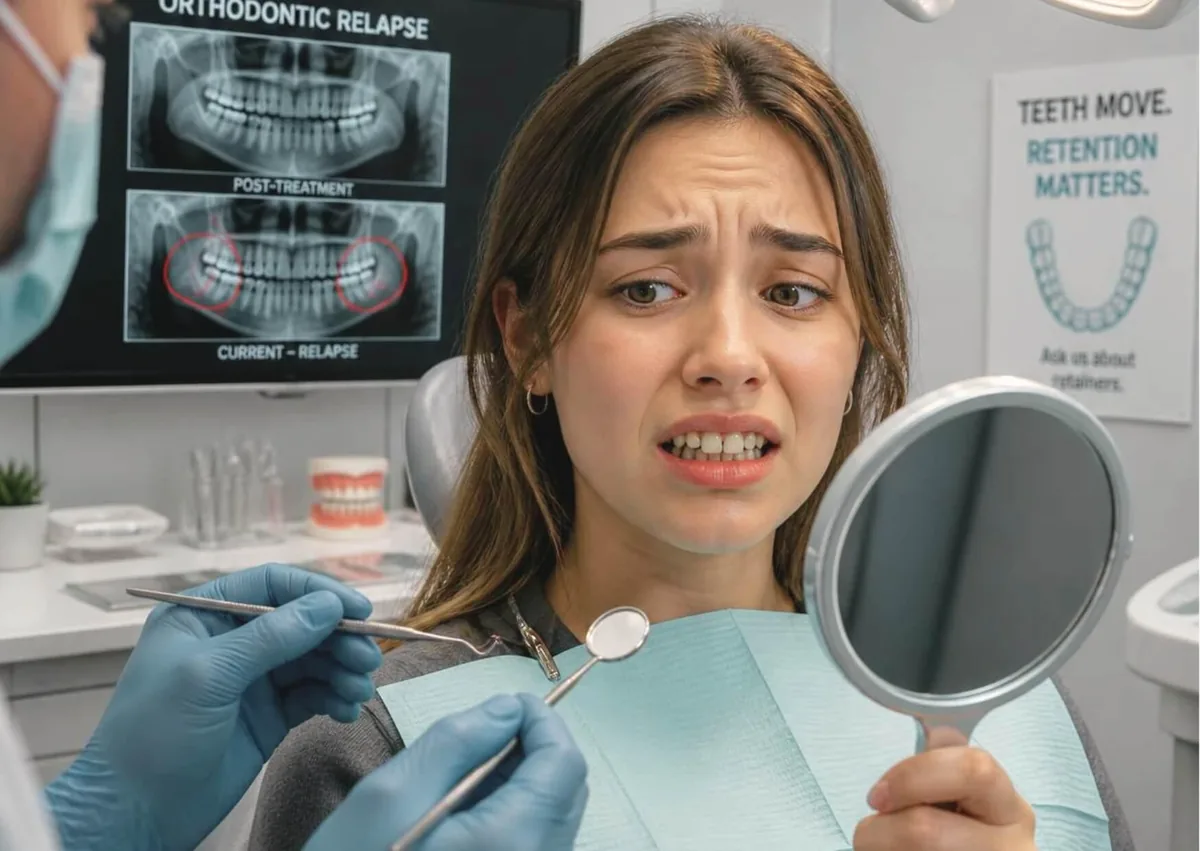
Active treatment ends when the braces are removed, but orthodontic care does not stop there. Teeth have a natural tendency to shift, especially during the first phase after braces.
That is why retainers are a routine part of treatment. Retention helps protect the result after the months or years spent moving the teeth into better alignment.
The type of retainer and how long it should be worn depends on the individual case. This is one reason the total orthodontic process is longer than the time spent wearing braces alone.

If you are comparing orthodontic options, the most useful next step is a formal evaluation. A short exam, photos, and X-rays can show whether Damon braces are a good fit and give a more realistic estimate of treatment time.
If you're weighing options like Invisalign, see how long Invisalign takes.
That estimate should be based on your bite, crowding, jaw relationship, and dental health, not on a generic timeline from the internet. An individualized plan matters far more than broad claims that one bracket system is always faster.
A consultation is especially worth scheduling if teeth are becoming more crowded, the bite feels off, chewing is uncomfortable, or you are avoiding smiling in photos. It is also important to get checked if there is jaw pain, gum recession, or teeth that seem to be wearing unevenly.
A good orthodontic plan should explain not only how long treatment may take, but also what tradeoffs are involved and how the result will be maintained afterward. For an overview of choices and what to expect, see our Orthodontic services page. For general timelines, see how long braces take.
Smart Orthodontics offers Damon braces in Charlotte, NC and serves nearby areas such as Huntersville and Harrisburg; call (704) 549-8878 to schedule a personalized evaluation.
No. They may be more efficient in some cases, but treatment length usually depends more on the bite problem, crowding severity, and patient cooperation than on the bracket system alone.
Sometimes, but usually only for limited or mild alignment issues. More comprehensive bite correction often takes much longer.
Not always. Adults can have excellent outcomes, but treatment planning may be more complex if there is gum disease, missing teeth, bone loss, or prior dental work.
The schedule varies by case and by orthodontist. Regular follow-up visits are important so tooth movement can be monitored safely and the plan can be adjusted when needed.
Call if a bracket breaks, a wire is causing significant irritation, teeth feel unusually loose, or pain is worsening instead of settling. Seek urgent care promptly if there is marked swelling, fever, or difficulty swallowing.
Check out Smart Orthodontics Office hours to plan your visit.