Monday & Wednesday
8:00 am - 5:00 pm
Tuesday & Thursday
7:30 am - 4:00 pm
704-549-8878
Call Us Today!
SERVICIOS EN ESPAÑOL
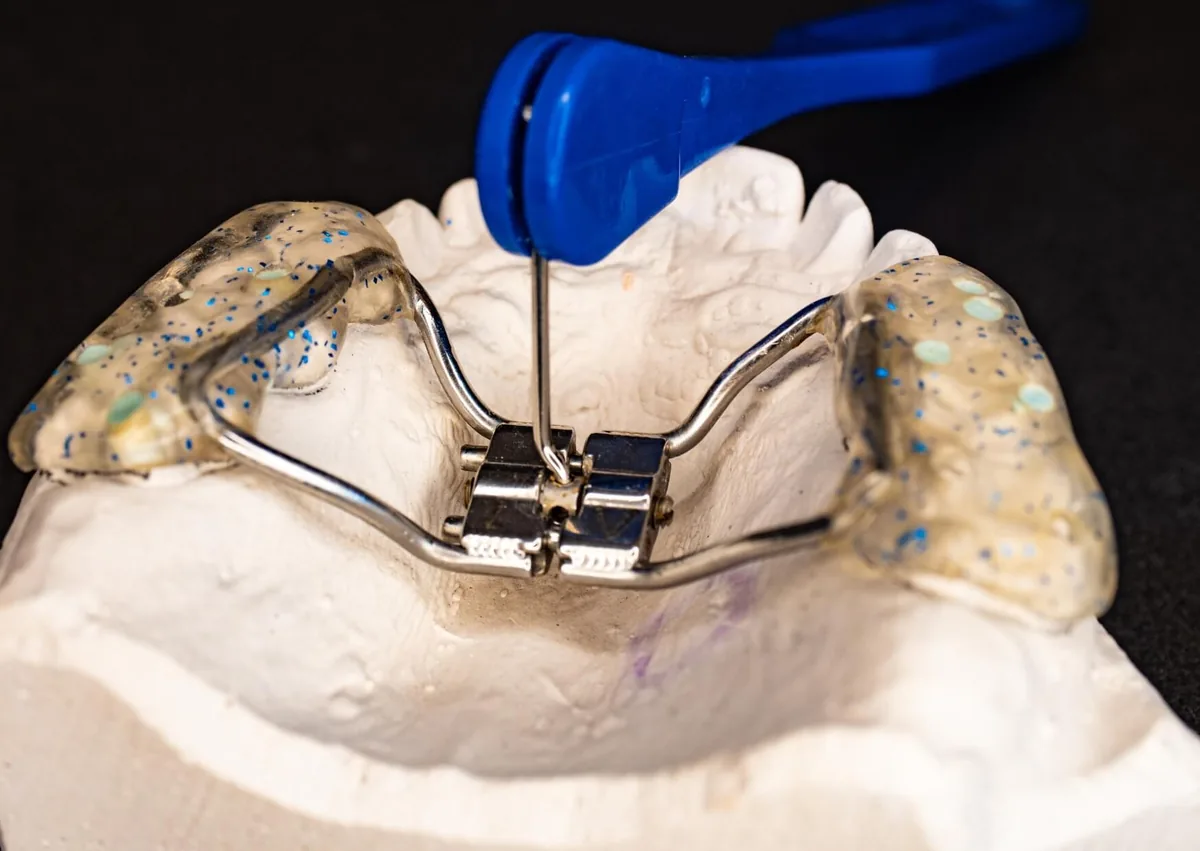
A palate expander usually stays in for about 6 to 12 months. The active widening phase often lasts only a few weeks to a few months, but the appliance usually remains in place longer so new bone can form and stabilize the upper jaw.
The exact timeline depends on age, the type of expander, how much widening is needed, and how the teeth and jaw respond. Removing it too early can increase the chance that some narrowing returns.
If you’re weighing whether palate expansion is right for crowding or a crossbite, our orthodontic services can clarify which approach and timing fit your growth and goals. Smart Orthodontics in Charlotte, NC helps families understand options and what to expect during treatment.
A palate expander is used when the upper jaw is too narrow compared with the lower jaw. This can contribute to a crossbite, crowding, an uneven bite, or not enough room for permanent teeth.
Some patients have a posterior crossbite, where the upper back teeth bite inside the lower back teeth. Others may have a narrow, high-arched palate or a lower jaw that shifts to one side when closing.
Expansion usually works best while the suture in the center of the palate is still developing. Because that area becomes more mature with age, children, teens, and adults may need different treatment approaches, and some patients may also want to know whether adults get braces.
Palate expander treatment usually has two parts: active expansion and retention. Even after the needed width is reached, the appliance often stays in place without further turns so the result can stabilize.
|
Treatment Stage |
Typical Timing |
What Happens |
|---|---|---|
|
Active expansion |
Often a few weeks to a few months |
The appliance is adjusted on the orthodontist’s schedule to widen the upper jaw |
|
Stabilization or retention |
Often several additional months |
The expander holds the new width while bone fills in and the bite adapts |
|
Removal and next treatment |
Based on individual progress |
The orthodontist may remove the expander, place another retainer, or continue with braces or clear aligners |
These are general ranges, not a guaranteed timeline. Missed visits, a loose appliance, inconsistent activation, growth patterns, and the severity of the bite problem can all affect how long a palate expander stays in.
Age is one of the biggest factors. Younger patients often respond more predictably because the palatal suture is less mature.
The type of appliance also matters. A fixed expander is commonly used when reliable, steady widening is needed, while a removable expander may be considered for selected mild cases but depends heavily on wear time.
The amount of correction matters too. A small expansion may be completed faster than a more significant width change, but both still need enough retention time for stability.
A rapid palatal expander is attached to the upper teeth and uses a central screw to create gradual widening. A removable expander may be appropriate in selected cases, but it is usually less predictable if wear is inconsistent.
Older teens and adults may have a more mature palatal suture. Depending on anatomy and goals, an orthodontist may discuss a tooth-supported device, a miniscrew-assisted expander, or surgically assisted expansion instead of conventional childhood expansion.
|
Approach |
Common Consideration |
Main Tradeoff |
|---|---|---|
|
Fixed tooth-supported expander |
Often used in growing patients |
Reliable wear, but cleaning and speech require adjustment |
|
Removable expander |
May suit selected mild cases |
Easier removal for hygiene, but results depend on wear time |
|
Miniscrew-assisted expansion |
May be considered after more skeletal maturity |
Can provide more skeletal support, but placement is more involved |
|
Surgically assisted expansion |
May be considered for some adults with significant constriction |
Can address a mature jaw, but involves surgical evaluation and recovery |
An exam and imaging, when needed, help determine whether the correction should come mainly from jaw widening, tooth movement, or both. The best option is not always the one with the shortest timeline.
Pressure across the palate, nose, cheekbones, or upper teeth is common after adjustments. Mild tenderness, extra saliva, temporary speech changes, and difficulty chewing certain foods are also common at first.
A small gap may appear between the upper front teeth during active expansion. This is often a normal sign that widening is happening, and it may partly close on its own or be corrected later during orthodontic treatment.
Sharp pain, persistent bleeding, significant swelling, fever, trouble breathing or swallowing, or an appliance that is embedded or badly displaced needs prompt professional care. Contact the orthodontic office if pain worsens, sores do not improve, the appliance feels loose, or you are unsure whether an adjustment was done correctly.
Brush carefully around the bands, arms, and screw housing, and clean along the gumline. A water flosser or other tools recommended by the dental team may help remove food, but they do not replace brushing.
Avoid sticky or very hard foods that can bend or loosen a fixed appliance, including gum, caramels, hard candy, and ice. Cut firmer foods into smaller pieces and follow the orthodontist’s food instructions.
Use only the prescribed activation schedule. Do not add extra turns to try to speed up treatment.
If a turn is missed, the key does not engage, or the appliance feels loose, call the orthodontic office rather than trying to fix it yourself. Small problems are easier to manage when they are addressed early.
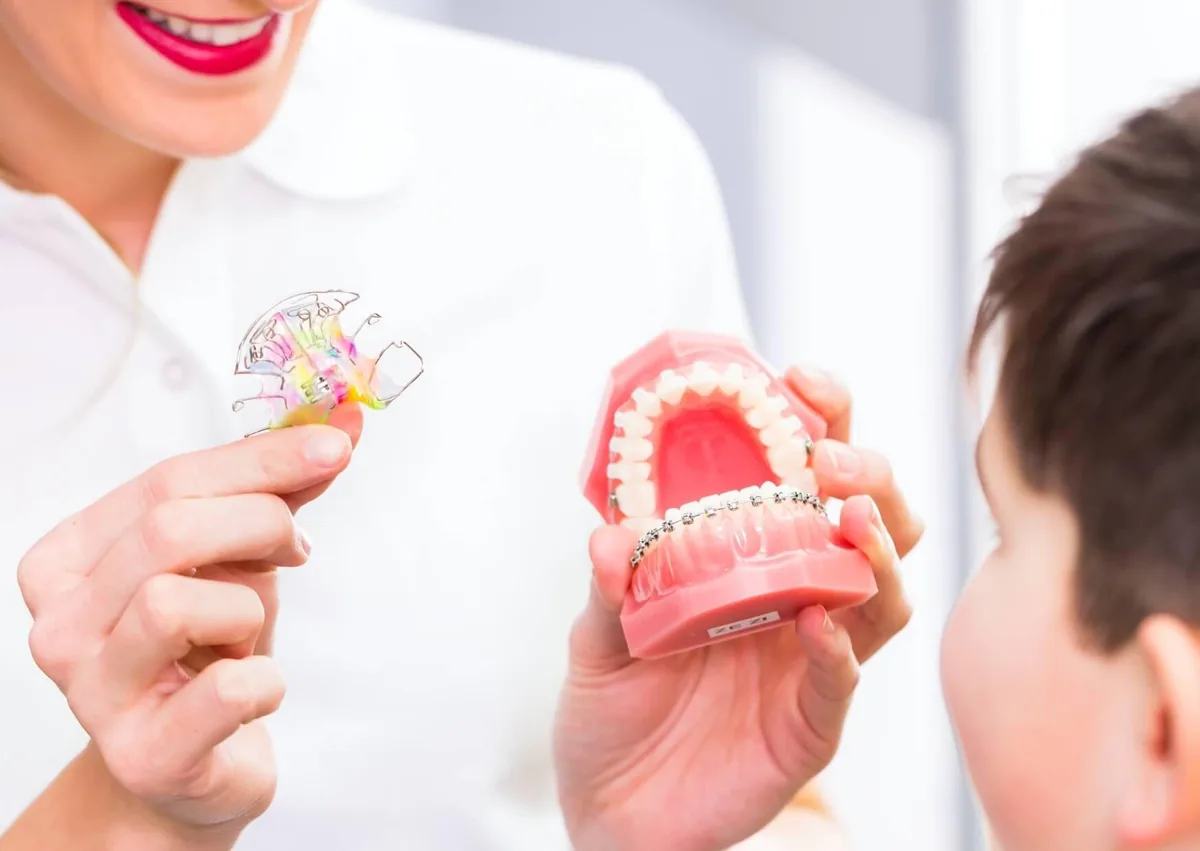
The retention phase helps bone and supporting tissues reorganize around the widened palate. That added time can improve stability and prepare the bite for the next phase of care, and many families also want to understand the sequence of expander before braces.
Appropriate expansion may improve a crossbite, create room for developing teeth, reduce a functional jaw shift, and support a more balanced bite. Long-term stability still depends on follow-up, growth, tooth position, and oral habits.
Schedule an evaluation with our orthodontic services if the upper teeth sit inside the lower teeth, the jaw shifts on closing, crowding is developing, or a dentist has identified a narrow upper arch. An early assessment can show whether expansion is appropriate now, should be monitored, or should be replaced with a different approach.
To confirm whether expansion, retention, or a follow-up phase best suits your case, arrange an evaluation so your care plan can be timed and coordinated. Call Smart Orthodontics for orthodontic services in Charlotte, NC and nearby Harrisburg and Huntersville at (704) 549-8878 to schedule an appointment.
Usually, yes. Active adjustments often stop once the planned widening has been achieved, but the appliance remains in place as a retainer for several months while new bone forms and the result stabilizes.
Only the treating orthodontist should make that decision. Early removal may increase the risk of relapse, while discomfort or a damaged appliance may call for repair, adjustment, or a change in the treatment plan instead of immediate removal.
Removal is usually brief and may cause pressure or temporary sensitivity, but it should not cause severe pain. The teeth and gums may feel unusual afterward because they have adapted to the appliance.
Many patients need braces or clear aligners to position the teeth and refine the bite after expansion, but not everyone follows the same sequence. The orthodontist will base the next step on tooth alignment, bite correction, growth, and treatment goals. For more on timing, see how long braces take.
Stop activating it and contact the orthodontic office promptly. Do not pull it out, bend it, or try to reattach it at home, and seek urgent help if it interferes with breathing or swallowing.
Check out Smart Orthodontics Office hours to plan your visit.