Monday & Wednesday
8:00 am - 5:00 pm
Tuesday & Thursday
7:30 am - 4:00 pm
704-549-8878
Call Us Today!
SERVICIOS EN ESPAÑOL
The mouth remembers pressure. A smile that once looked straight can begin to lean, crowd, or twist again years after braces come off, and that does not always mean anything went wrong. Teeth sit in bone that changes over time, and the fibers around each tooth can keep pulling long after treatment ends.
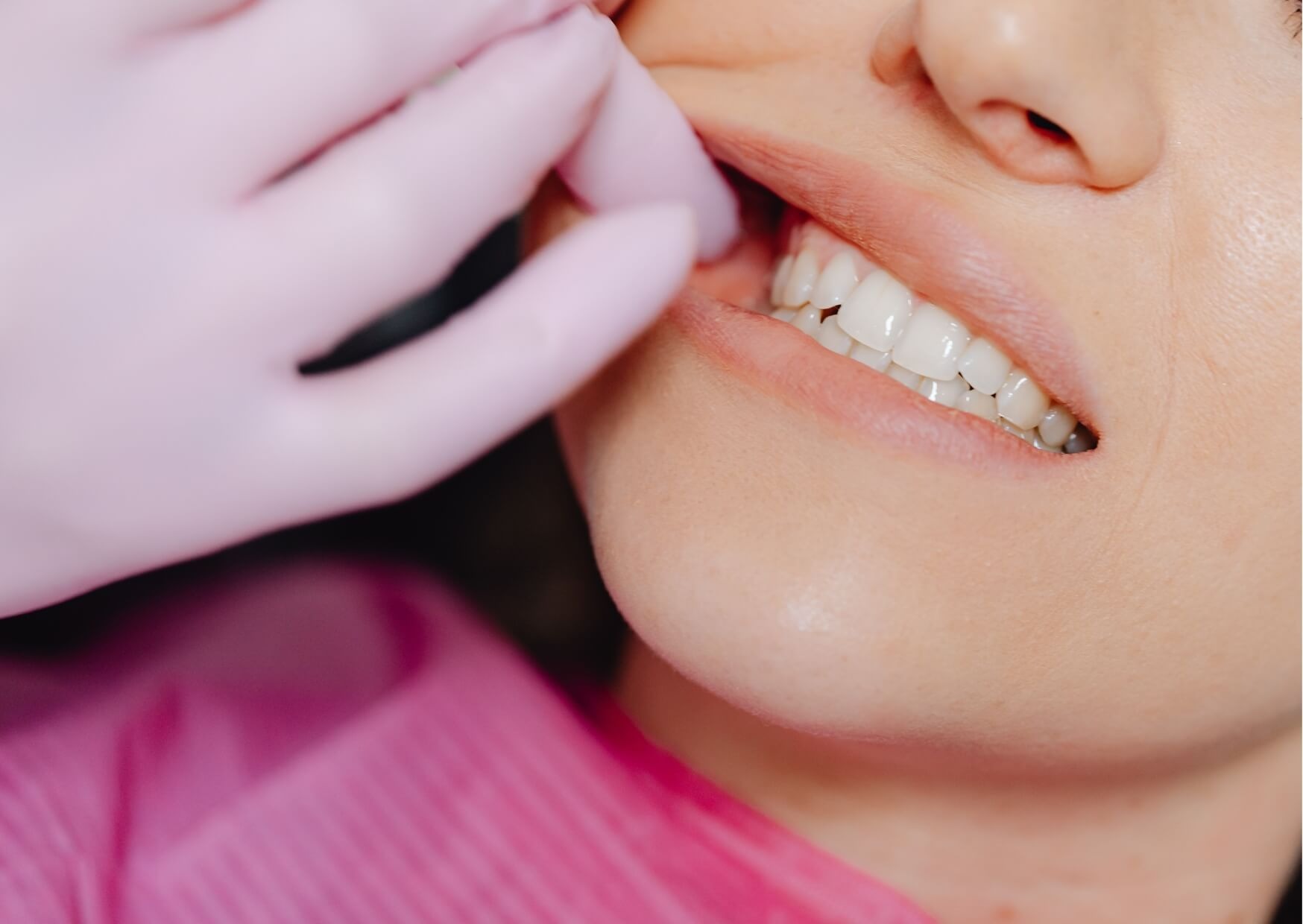
If you feel that you need braces again, one of the most common reasons is orthodontic relapse. Relapse means teeth have moved away from their corrected position after prior treatment. Research shows this can happen for several reasons, including inconsistent retainer wear, a retainer that no longer fits, normal age-related bite changes, and ongoing pressure from the lips, cheeks, tongue, and bite forces.
For a clear next step, consider an orthodontic evaluation to learn whether a retainer, limited retreatment, or full braces are right for you.
Other factors may also contribute. Wisdom teeth are often blamed, but they are not the only cause of crowding, and in many cases they are not the main cause at all. Gum disease, also called periodontal disease, can weaken the support around teeth and allow movement. Tooth loss, grinding, clenching, and changes in dental work such as crowns or fillings can also affect how the upper and lower teeth meet.
Patients who are concerned that they may need braces again can visit Smart Orthodontics for a professional evaluation and personalized guidance. Whether the issue involves mild shifting, retainer problems, or more noticeable bite changes, the team can help explain the available treatment options in a calm and supportive setting.
A small change in one front tooth may be mostly cosmetic. But when several teeth begin to overlap, when floss starts catching in new places, or when your bite feels uneven, the issue may go beyond appearance. Crowding can make plaque easier to trap, and plaque is the sticky bacterial film that raises the risk of cavities and gum inflammation.
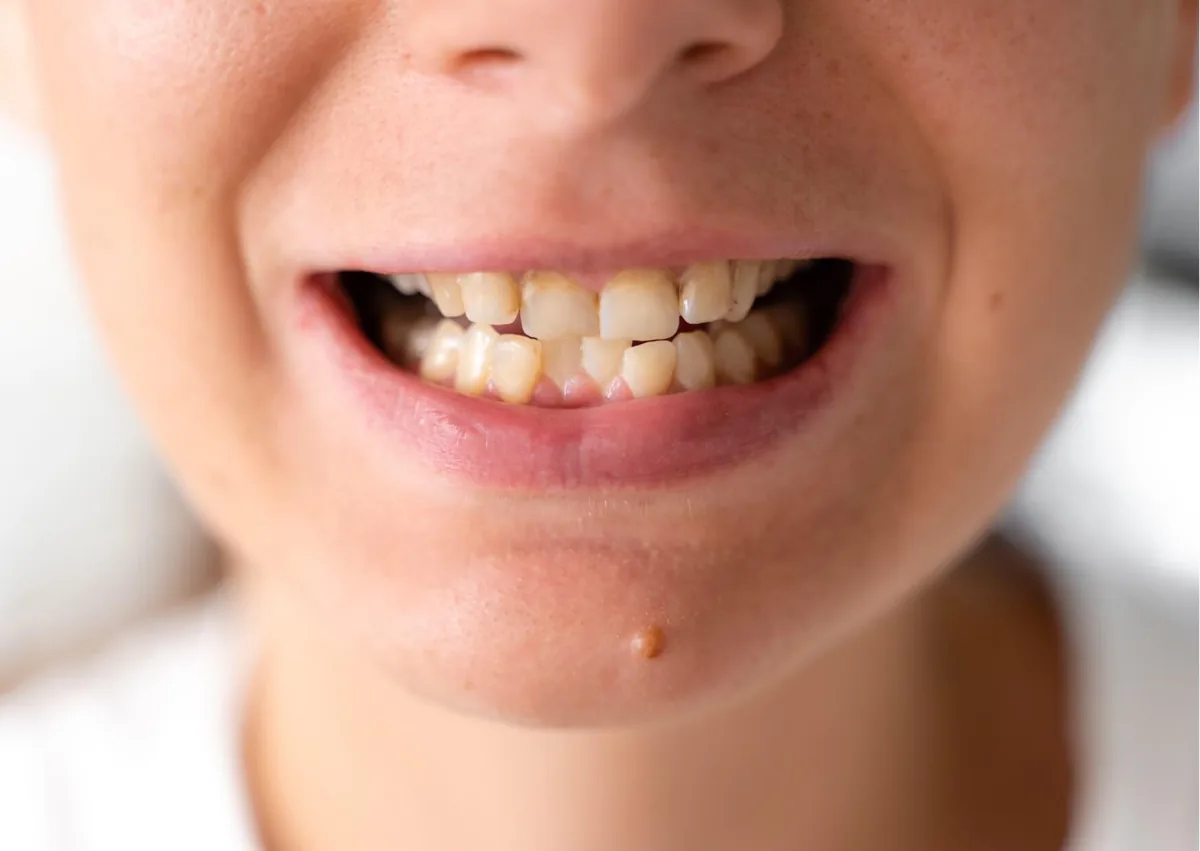
Patients often notice familiar signs first. The lower front teeth may look more crowded in photos. A gap may reopen between the front teeth. One tooth may rotate so it catches the light differently. In other cases, the change is functional: chewing feels awkward, the jaw tires more easily, or one tooth starts hitting before the others.
These patterns do not always mean full braces are necessary, but they do suggest that a professional evaluation is worth scheduling, especially if the movement seems to be getting worse.
Sometimes crooked teeth returning are only the visible part of a larger problem. If a tooth feels loose, if the gums bleed regularly, or if new spacing appears quickly, a dentist may need to rule out periodontal disease. In adults, rapid movement is usually more concerning than slow, minor drift.
Pain also changes the picture. Orthodontic relapse is often not dramatically painful. If there is significant swelling, facial pressure, fever, drainage, or sharp pain when biting, the cause may be infection, a cracked tooth, or another dental condition rather than simple alignment changes.
Seek prompt dental care if you notice a loose tooth, facial swelling, or sudden bite changes. Those signs deserve timely attention because they may reflect active disease or loss of tooth support, not just a cosmetic shift.
Needing treatment again does not automatically mean repeating the entire experience from the beginning. In some cases, a short course of orthodontic retreatment can correct limited crowding or a reopened gap. In others, more comprehensive treatment is needed because the bite itself has changed, not just the visible front teeth.
A dentist or orthodontist will usually look at several things together: tooth position, how the upper and lower teeth contact, gum and bone health, existing dental work, and whether there is wear from grinding. That broader view matters. Straightening only the front teeth without addressing the bite can leave a result that looks better for a while but is less stable over time.
For some patients, clear aligners may work for mild to moderate relapse. Traditional braces may be a better option when there is more complex rotation, vertical movement, or bite correction needed. The choice is not only about appearance or convenience. It is about what can move predictably and safely. For a broader overview of options, see types of braces.
Clear aligners are removable trays that guide teeth through a planned sequence of small movements. They can be appealing for adults who want a lower-profile option, especially for mild relapse. But they work best when worn consistently, and they may be less effective for certain bite problems or more difficult movements.
Invisalign vs. braces is a useful comparison when choosing between removable trays and fixed appliances.
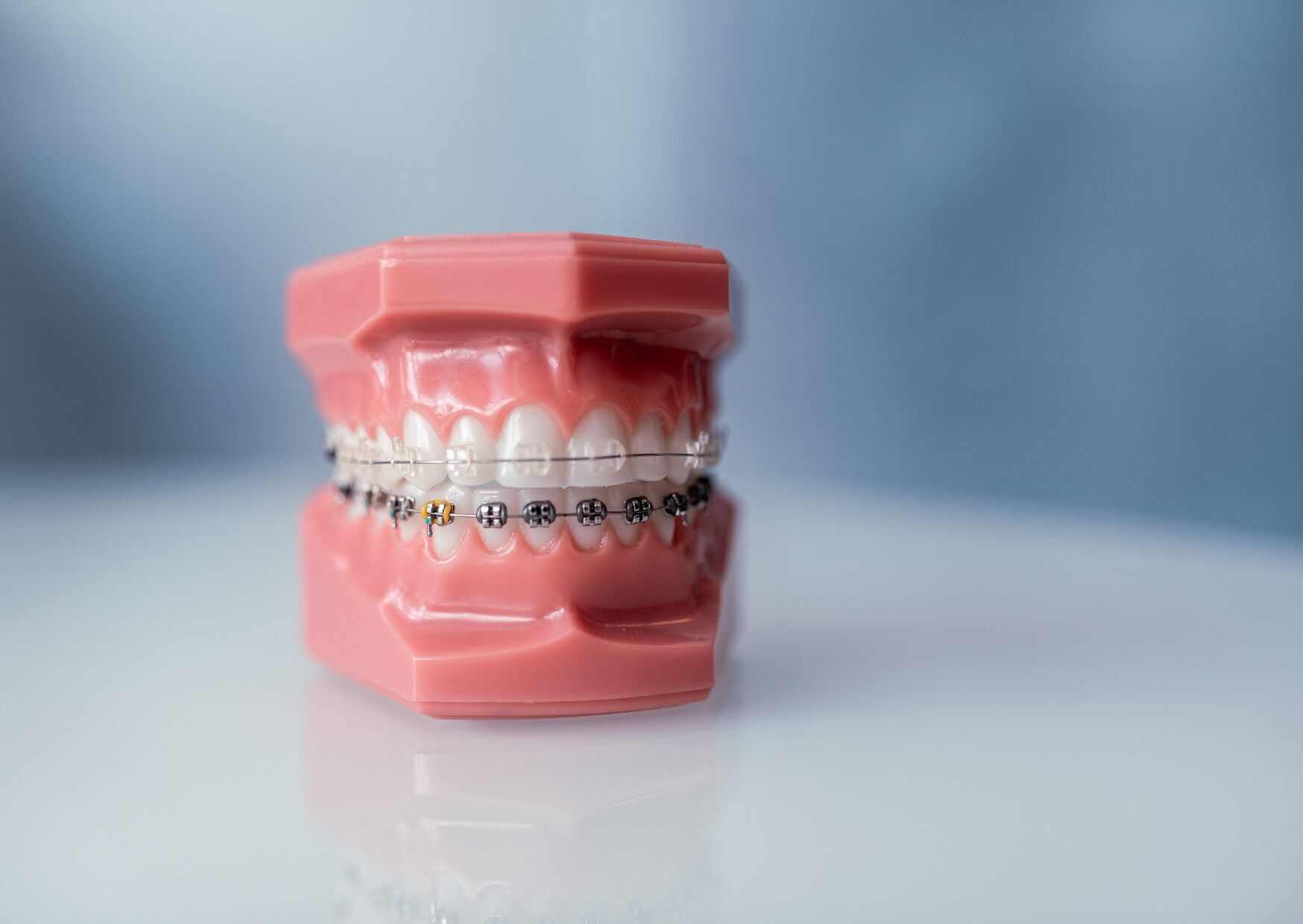
Traditional braces remain reliable for more complex retreatment. They allow detailed control of tooth movement and can be especially useful when teeth have rotated significantly or when the bite needs broader correction. Consider traditional braces when bite correction is part of the plan. Ceramic or clear braces may be less visible than metal, though the best system depends on the clinical goals rather than aesthetics alone.
Some modern bracket systems, such as Damon braces, use lighter-force mechanics and may require fewer adjustments for patients who prefer that approach during retreatment.
A retainer is not a shortcut treatment for every shifted smile. If a retainer no longer fits, forcing it can damage teeth or soft tissue. In very minor relapses, a clinician may recommend a new retainer or limited retreatment followed by retention, but that decision should come after an exam rather than guesswork at home.
There is an old lesson in orthodontics that keeps proving true: teeth have memory. The ligaments around them, the bite forces above and below, and the slow changes of adulthood all press on alignment over time. That is why retainers are not an afterthought. They are part of treatment.
After braces or aligners, many patients are told to wear retainers on a schedule that changes over time. The exact plan varies, but long-term use is common because relapse can happen even years later. A cracked retainer, a loose bonded wire, or a tray that no longer seats fully should be checked rather than ignored. For practical tips on upkeep and hygiene, see how to clean retainers.
In practical terms, the second round of orthodontics often succeeds or fails on retention. If you have already had treatment once, the most important question may not be how to move the teeth again. It may be how to keep them there this time.
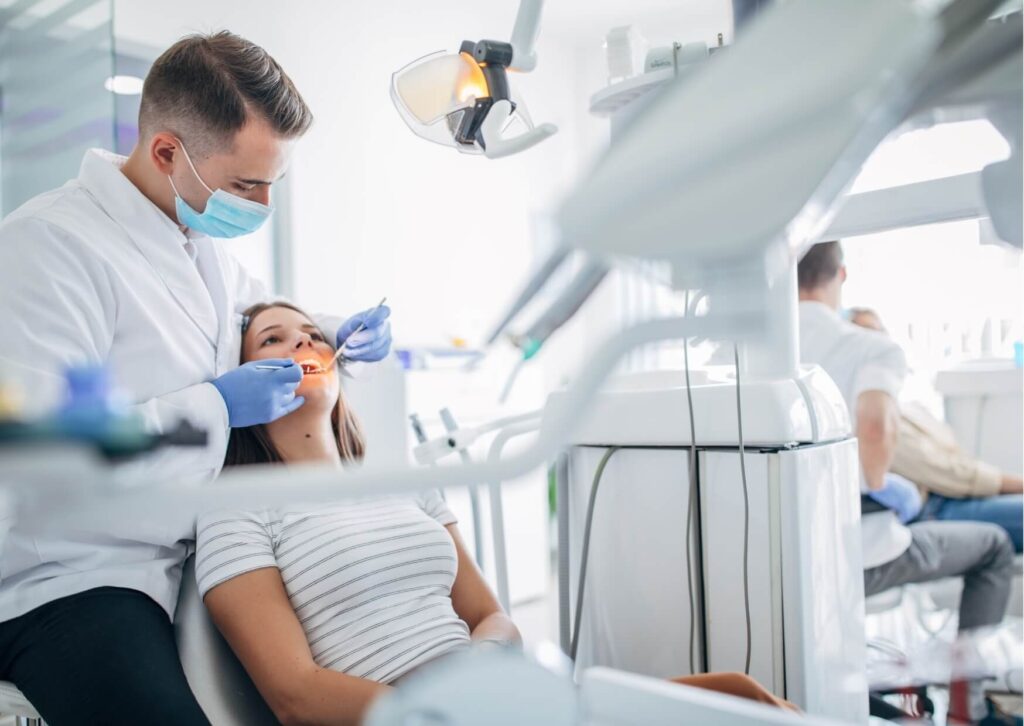
A proper assessment usually begins with your history. When did the teeth start moving? Was a retainer worn regularly? Is there jaw pain, clenching, gum bleeding, or recent dental work? These details help separate ordinary relapse from other causes of bite change.
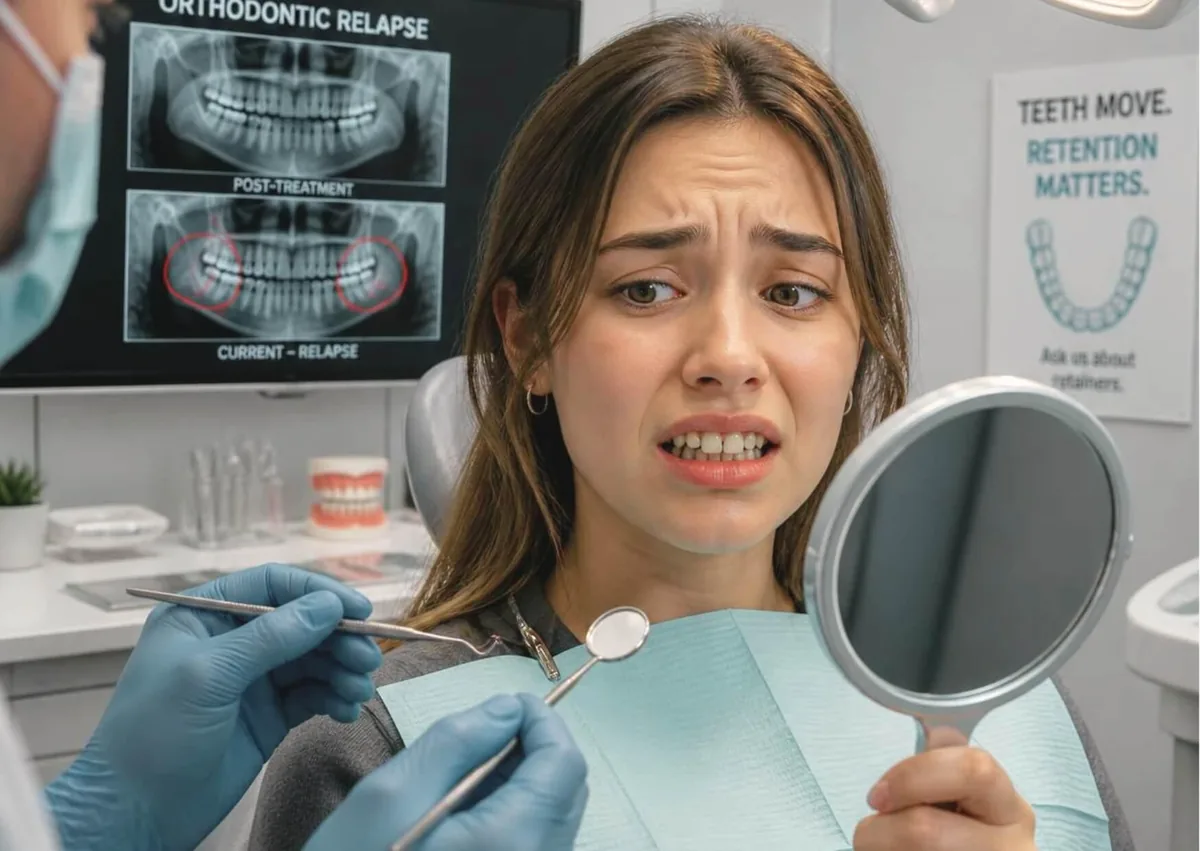
The clinical exam may include photographs, X-rays, digital scans, and measurements of crowding or spacing. The clinician may also check periodontal support, meaning the health of the gums and bone around the teeth, because moving teeth through unhealthy tissue is not ideal and may be unsafe.
This visit is also where expectations become more realistic. Some patients want only the front teeth corrected, but the bite may need attention too. Others expect severe relapse to be fixed quickly, when the biology of tooth movement simply does not work that fast. A good consultation should make those tradeoffs clear.
Many people hesitate because they remember the inconvenience of the first treatment. That concern is understandable. Retreatment can sometimes be shorter if the movement is limited, but it is not always brief, and no ethical clinician should promise a timeline before evaluating the bite and the health of the supporting tissues.
Cost also varies. Limited aligner treatment for small relapse may be less involved than comprehensive braces, but the cheapest option is not always the most stable one. If the bite is off, if teeth are worn, or if gum disease is present, those issues may need to be addressed as part of the plan. If cost is a primary concern, see braces cost for typical figures and options.
In everyday life, the real friction is often maintenance. Appointments, retainer wear, cleaning around appliances, and patience all matter more than marketing language. If treatment is chosen, it should solve a meaningful problem, not just answer a moment of frustration in the mirror.
A mild irregularity that has been stable for years may not require urgent treatment. Some adults choose observation if the change is small, cleaning is still manageable, and the bite feels comfortable. That can be a reasonable decision when made with a dentist who has examined the mouth.
Waiting becomes less reasonable when movement is active, when oral hygiene is getting harder, or when the bite is creating wear or discomfort. It is also risky to delay if there are signs of gum disease, broken retainers after recent treatment, or teeth that feel mobile.
If you think you may need braces again after teeth shifted, the safest next step is an evaluation rather than self-diagnosis. The question is not simply whether the teeth look different. It is why they moved, whether the tissues are healthy, and what level of correction is most likely to last.
Smart Orthodontics provides personalized orthodontic care for patients in Charlotte, NC, with treatment plans designed around your bite, alignment, and lifestyle needs. Call (704) 549-8878 today to schedule your orthodontic evaluation and learn whether braces, aligners, or a retainer adjustment may be the right solution for your smile.
We welcome patients from neighboring counties and can help you choose a stable plan.
It can happen. Relapse after orthodontic treatment is not rare, especially if retainers are lost, stop fitting, or are not worn long term. Natural changes in the bite, gums, and surrounding tissues can also contribute.
Sometimes, but only in limited situations. If movement is minor and recent, a clinician may recommend a new retainer or limited correction. A retainer that no longer fits should not be forced into place.
Not always. Clear aligners can be effective for mild to moderate relapse, but braces may work better for more complex movement or bite correction. The best option depends on the specific pattern of relapse.
Urgent evaluation is important if there is facial swelling, fever, pus, a loose tooth, sudden spacing, significant gum bleeding, or sharp pain with biting. Those signs may suggest infection, periodontal disease, or structural damage rather than simple orthodontic relapse.
Usually not. Teeth can move over time even after good treatment. Retention, aging, bite forces, and gum health all affect long-term stability.
Check out Smart Orthodontics Office hours to plan your visit.