Monday & Wednesday
8:00 am - 5:00 pm
Tuesday & Thursday
7:30 am - 4:00 pm
704-549-8878
Call Us Today!
SERVICIOS EN ESPAÑOL
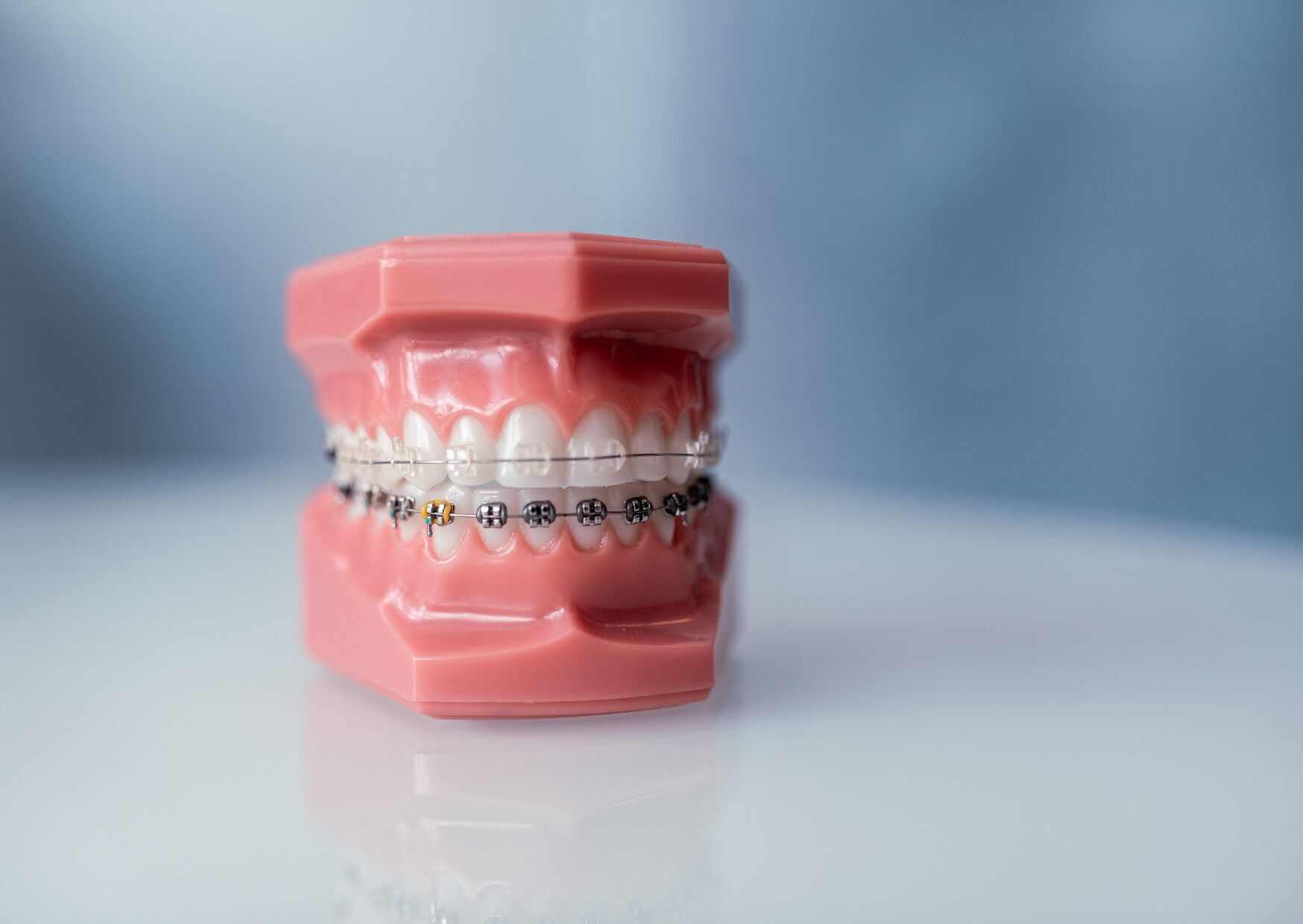
When comparing clear braces vs. metal braces, both can treat many of the same tooth and bite problems. Metal braces are more visible but very durable and often more budget-friendly, while clear ceramic braces are less noticeable but may cost more and need a little more care.
The right choice depends on your bite, treatment goals, appearance preferences, and daily routine. Smart Orthodontics in Charlotte, NC helps patients understand their orthodontic options and choose an approach that fits their individual needs.
Crowding, gaps, rotated teeth, and teeth that do not fit together properly are common reasons people consider braces. Bite problems, also called malocclusions, can include an overbite, underbite, crossbite, or open bite.
These concerns are not always just cosmetic. Depending on severity, they can make teeth harder to clean, contribute to uneven wear, or affect chewing.
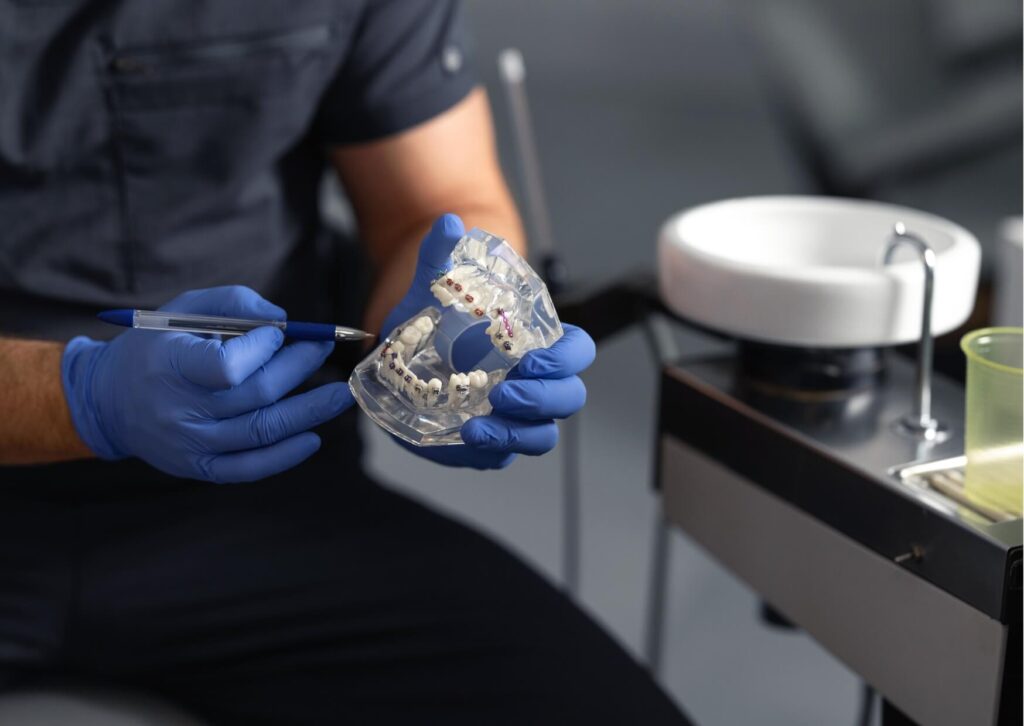
Both clear and metal braces use brackets attached to the teeth and an archwire that applies controlled pressure; learn more about how braces work. As teeth move, the surrounding bone gradually remodels to support their new position.
Metal braces use stainless steel brackets and wires, so they are easy to see. Colored elastic ties can make them stand out more or add some personalization.
Clear braces usually use tooth-colored or translucent ceramic brackets. They are less noticeable from a normal speaking distance, although the wire and elastic ties may still show.
Ceramic brackets themselves usually resist staining, but elastic ties can discolor from coffee, tea, red wine, tobacco, and strongly pigmented foods. Good cleaning habits and regular tie changes can help them look better between visits.
Both types can treat a wide range of alignment and bite concerns. Metal braces are often chosen for their strength, and they may be preferred for more complex tooth movements or for patients who are more likely to damage appliances.
Ceramic brackets can also work very well, but they are more brittle than metal. In some cases, an orthodontist may avoid ceramic brackets on certain lower teeth because contact with the upper teeth can increase enamel wear.
The best material depends on tooth position, bite relationships, enamel condition, and treatment goals. Clear braces are not the best fit for every patient or every type of movement.
Ceramic braces often cost more than metal braces because of the materials used and the extra care they may require during treatment. Actual fees vary based on treatment complexity, treatment length, provider, location, and insurance coverage.
A written estimate should explain what is included, such as records, adjustment visits, repairs, and retainers. Dental insurance may help with orthodontic treatment, but age limits, waiting periods, and lifetime maximums are common.
Both types can cause pressure or soreness for a few days after braces are placed and after some adjustments. Brackets may also irritate the lips or cheeks at first, but orthodontic wax often helps while the mouth adjusts.
Treatment usually takes many months and sometimes two years or longer; for general timelines, see how long for braces. The total time depends more on the bite problem, planned tooth movements, growth, missed visits, broken appliances, and patient cooperation than on bracket color alone.
Contact the orthodontic office if a bracket breaks, a wire becomes sharp, or discomfort is persistent or getting worse. Seek prompt dental or medical care for major facial swelling, fever, uncontrolled bleeding, trouble swallowing or breathing, significant trauma, or a tooth that becomes loose after an injury.
Braces create small areas where plaque and food can collect. Careful brushing around the gumline and each bracket, along with daily cleaning between the teeth with floss threaders, interdental brushes, or another recommended tool, helps reduce the risk of cavities, swollen gums, and white spots on enamel.
Avoid chewing ice and other hard items that can loosen or crack brackets. Sticky foods can bend wires or pull appliances away from the teeth (see candy with braces).
Ceramic brackets may need extra caution because they can fracture more easily than metal. Routine dental cleanings are also still important, since orthodontic visits do not replace preventive dental care.
People with active cavities or gum disease may need those problems treated before braces are placed. Healthy teeth and gums help support better orthodontic results.
Straighter teeth may be easier to clean, and a better-aligned bite can improve chewing and reduce uneven wear in some cases. Results vary, and braces cannot reverse existing enamel damage, gum recession, or jaw joint disease.
Retention is important after either clear or metal braces. Teeth naturally tend to shift, so a removable or bonded retainer is usually needed based on your orthodontist’s instructions, often for the long term.
If crowding, spacing, tooth wear, difficulty cleaning, or an uneven bite is causing concern, schedule an evaluation with our orthodontic services team. An exam and appropriate imaging can help determine whether clear braces or metal braces are a good fit and what to expect for cost, maintenance, and treatment time.
If you are still deciding between clear and metal braces, a personalized orthodontic evaluation can clarify which option is better suited to your teeth, lifestyle, and treatment goals. Contact Smart Orthodontics in Charlotte, NC, serving nearby Harrisburg and Huntersville, at (704) 549-8878 to schedule a consultation and discuss your braces options.
No. Clear braces usually refer to ceramic brackets attached to the teeth that work with wires, while clear aligners are removable plastic trays. For a direct comparison, see braces or Invisalign.
Not necessarily. Treatment time depends mainly on the problem being corrected and how the teeth respond, although ceramic brackets can affect treatment planning in some cases.
Ceramic brackets usually resist staining, but the elastic ties around them can discolor. Pigmented foods, beverages, and tobacco can make this more noticeable between adjustment visits.
Metal braces may be preferred for more complex treatment because they are durable and allow efficient force application. Ceramic braces can still treat many significant problems, so the best choice depends on an orthodontic evaluation.
Many adults are candidates for metal or ceramic braces. If you want to learn more, see adults get braces.
Healthy teeth and gums are important before treatment starts. Existing dental work, enamel wear, gum recession, and bite patterns may also affect the recommendation.
Check out Smart Orthodontics Office hours to plan your visit.