Monday & Wednesday
8:00 am - 5:00 pm
Tuesday & Thursday
7:30 am - 4:00 pm
704-549-8878
Call Us Today!
SERVICIOS EN ESPAÑOL
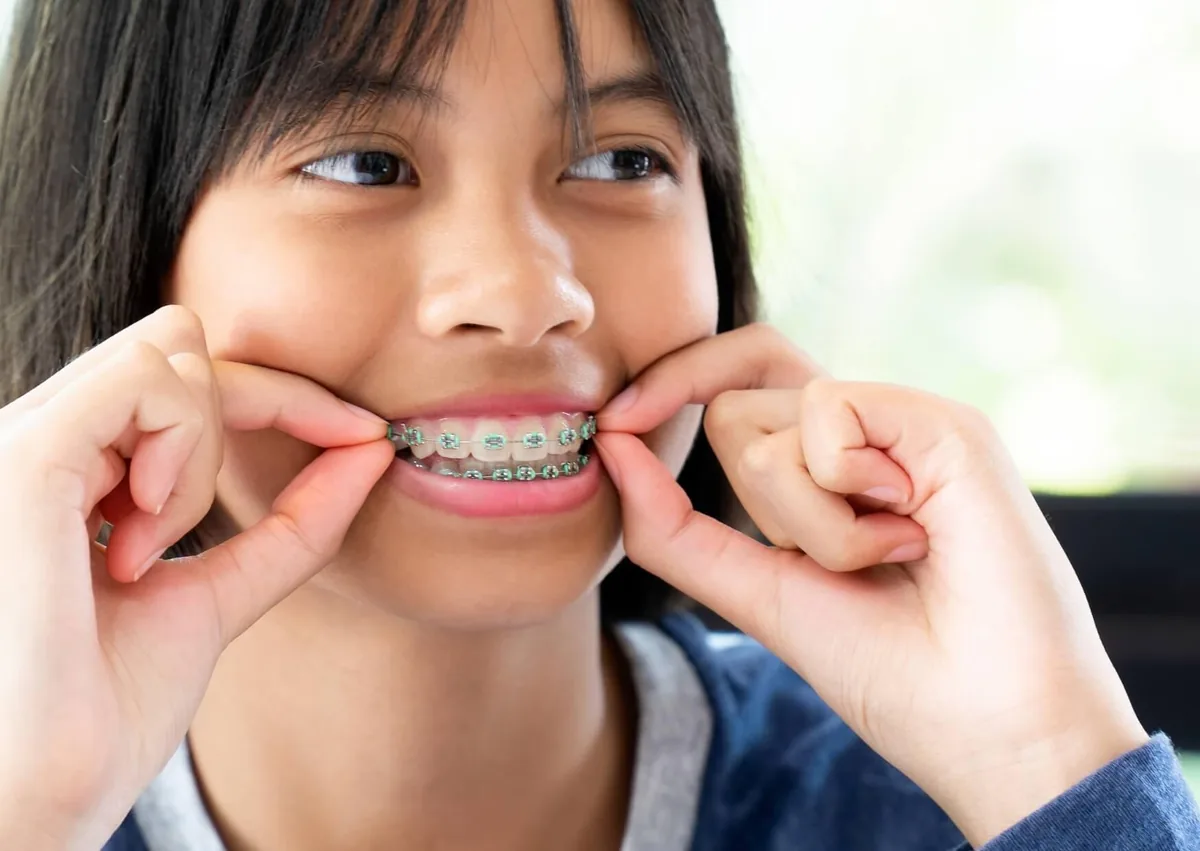
Braces for kids may be recommended when crowded, crooked, or widely spaced teeth affect alignment, or when the upper and lower teeth do not meet properly. The right timing depends more on the bite problem, dental development, and growth than on age alone, so an orthodontic evaluation through our orthodontic services is the best way to know whether treatment should start now or later.
If you're deciding whether crowded, crooked, or protruding teeth warrant treatment, understanding what braces can correct makes the choice clearer. Smart Orthodontics in Charlotte, NC reviews each child's needs and explains expected benefits and daily impact so families can plan confidently.
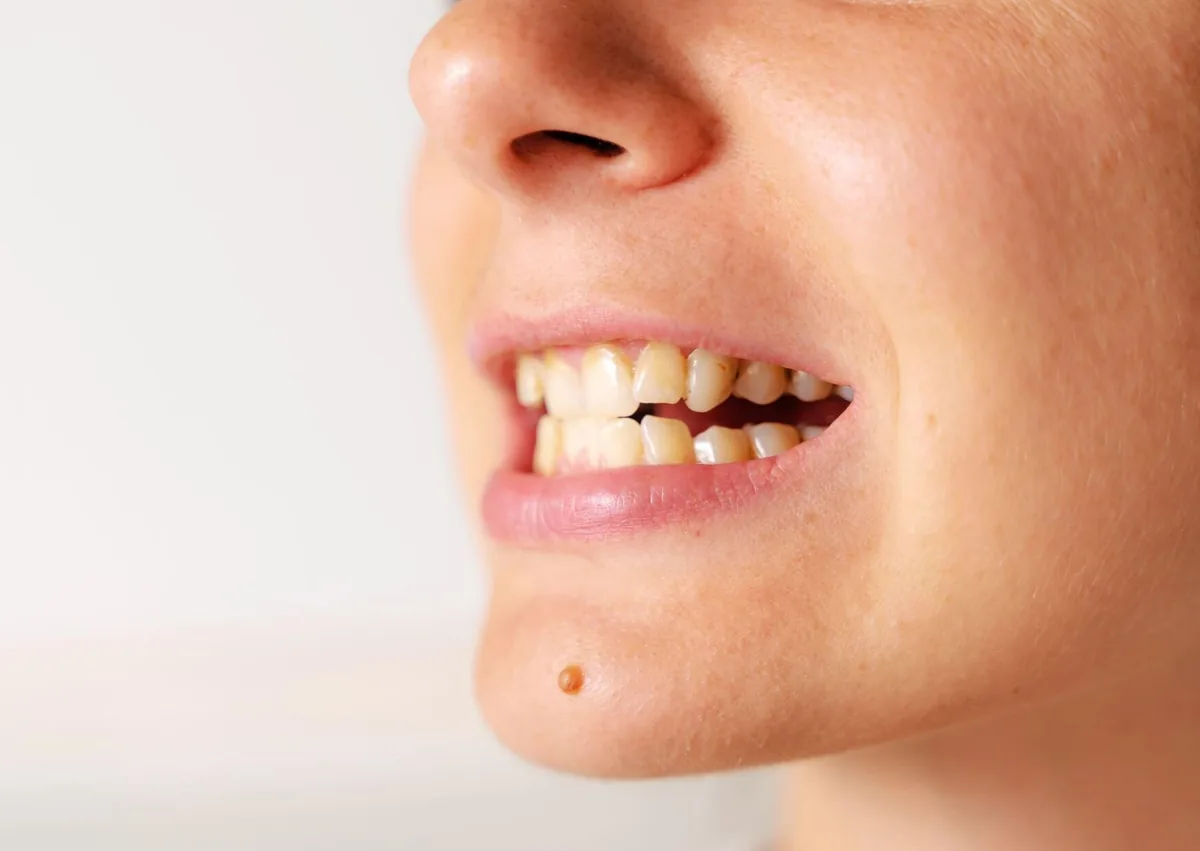
Some problems are easy to spot, such as overlapping front teeth, large gaps, or teeth that stick out. Others involve the bite, which is how the upper and lower teeth fit together when the mouth closes.
Common bite concerns include overbite, underbite, crossbite, and open bite. A child may also have trouble chewing, bite the cheek or palate often, breathe through the mouth, or show uneven tooth wear.
Crowding often happens when the jaw does not have enough room for permanent teeth. Genetics, early loss of baby teeth, thumb or finger habits, and differences in jaw growth can also affect alignment.
Parents often ask about expenses, see braces cost for kids for specific information on typical costs and payment options.
An orthodontist reviews medical and dental history, examines the teeth and jaws, and checks bite and facial development. Digital photos, scans or impressions, and X-rays may be used when needed to see tooth position, roots, and developing permanent teeth.
An early evaluation does not always mean treatment should begin right away. The American Association of Orthodontists recommends a checkup by age 7 because enough permanent teeth are usually present to spot certain problems while growth still allows more treatment options (learn more about early evaluation or the youngest age for braces).
Many children are simply monitored until more permanent teeth come in. Observation can be the right plan when early treatment would not improve the result.
Treatment depends on the problem being corrected. The goal may be to straighten permanent teeth, guide jaw growth, hold space for erupting teeth, or improve how the bite fits together.
Parents may also ask about Damon braces as an alternative bracket system (see Damon vs. traditional braces).
|
Option |
Often Considered For |
Main Tradeoffs |
|---|---|---|
|
Metal braces |
A wide range of alignment and bite problems |
Most visible; require careful cleaning and food precautions |
|
Ceramic braces |
Some older children or teens who want a less noticeable option |
May cost more and can stain or chip more easily |
|
Clear aligners |
Selected mild to moderate cases with reliable daily wear |
Removable, but results depend heavily on compliance |
|
Palatal expander |
Certain narrow upper jaws or crossbites during growth |
Temporary pressure and speech changes are common |
|
Space maintainer |
Holding room after early baby tooth loss |
Does not straighten teeth and needs monitoring |
Some children benefit from two-phase treatment. Phase one addresses a specific developing problem while baby and permanent teeth are both present, and phase two later finishes alignment after most permanent teeth have erupted.
Two-phase treatment is not necessary for every child. Parents can ask what problem early treatment is meant to fix, what may happen without it, and whether waiting is a reasonable option.
Older children or teens who want a less noticeable option may consider clear braces or other discreet bracket systems.
Comprehensive braces often begin between ages 9 and 14, but there is no single best age for every child. Tooth eruption, jaw growth, oral health, and the type and severity of the problem matter more than a birthday.
Before treatment starts, cavities, gum inflammation, and other dental issues usually need to be addressed. Regular dental checkups should also continue during orthodontic care, since orthodontic visits do not replace preventive dental care.
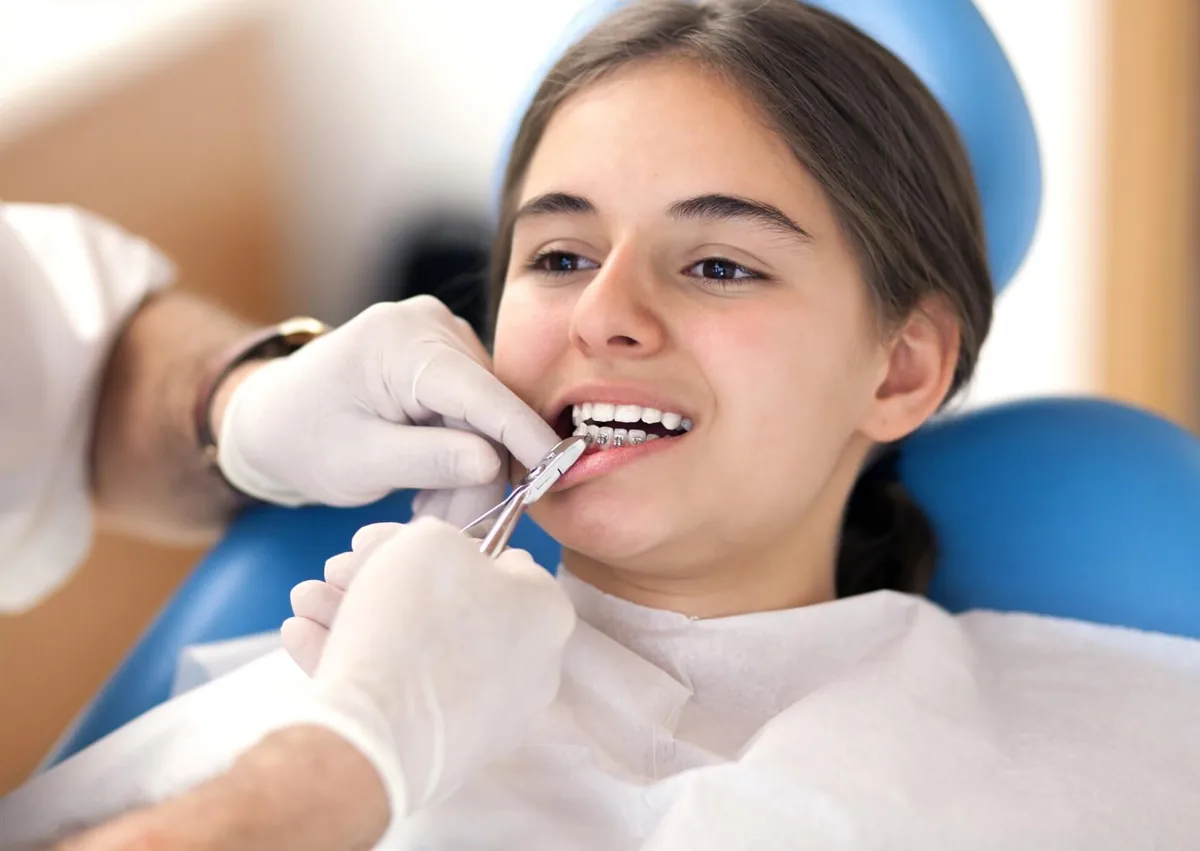
Treatment often lasts about 12 to 30 months, though simpler cases may take less time and more complex bite correction may take longer.
Missed visits, broken appliances, poor aligner wear, and slower tooth movement can all extend the timeline; general treatment duration varies by case.
Teeth often feel sore for a few days after braces are placed or adjusted. Soft foods, cool drinks, and orthodontic wax can help if brackets rub, and medication questions should be directed to the child’s dentist, orthodontist, or medical clinician.
Children with fixed braces usually need to avoid ice and hard or sticky foods that can bend wires or loosen brackets. Foods like apples, raw carrots, and crusty bread are often easier to manage when cut into small pieces instead of being bitten with the front teeth; for more practical guidance, see candy with braces.
Brushing around brackets and along the gumline takes extra care. An orthodontic brush, interdental brush, or floss threader can help remove plaque from areas a regular toothbrush or floss may miss; for more hygiene tips, see whiten teeth with braces.
Contact the orthodontic office if a bracket comes loose, an appliance shifts, or a wire stays painful after wax is used. Seek urgent care right away for trouble breathing or swallowing, major facial trauma, uncontrolled bleeding, or rapidly increasing facial swelling.
After active treatment, a retainer helps keep teeth in their new position while the bone and surrounding tissues stabilize. Teeth can shift over time, so following the orthodontist’s retainer instructions is important for maintaining results.
Well-planned treatment may improve bite function, make crowded areas easier to clean, reduce damaging tooth contact, and create a more even smile. Long-term success still depends on healthy gums, good daily hygiene, appliance wear, and consistent retainer use.
A child should be evaluated if there is obvious crowding, a crossbite or underbite, difficulty chewing, protruding teeth at risk of injury, or a bite that seems to be getting worse. An orthodontist can determine whether treatment is needed now, should be monitored, or can safely wait.
If you'd like a personalized plan for correcting alignment or bite issues, schedule a focused braces evaluation to review options and timing. Smart Orthodontics focuses on braces in Charlotte, NC and nearby Harrisburg and Huntersville; call (704) 549-8878 or schedule online to set an appointment.
No. Some children have healthy, functional alignment without orthodontic treatment, while others may need monitoring or a specific appliance instead of full braces.
Braces commonly cause temporary pressure or tenderness after placement and adjustments, but severe or persistent pain is not expected. Contact the orthodontic office if pain gets worse, does not improve, or happens with swelling, injury, or a damaged appliance.
Yes. A properly fitted orthodontic mouthguard can help protect the lips, cheeks, teeth, and appliances during contact or collision sports.
Clear aligners can work well for selected cases when worn as directed. Fixed braces may offer better control for some complex movements, and an orthodontist can explain which option fits a child’s needs.
Timing varies, but a retained baby tooth can sometimes block or redirect a permanent tooth. A dental evaluation is a good idea if the eruption seems delayed, uneven, painful, or unclear.
Check out Smart Orthodontics Office hours to plan your visit.