Monday & Wednesday
8:00 am - 5:00 pm
Tuesday & Thursday
7:30 am - 4:00 pm
704-549-8878
Call Us Today!
SERVICIOS EN ESPAÑOL
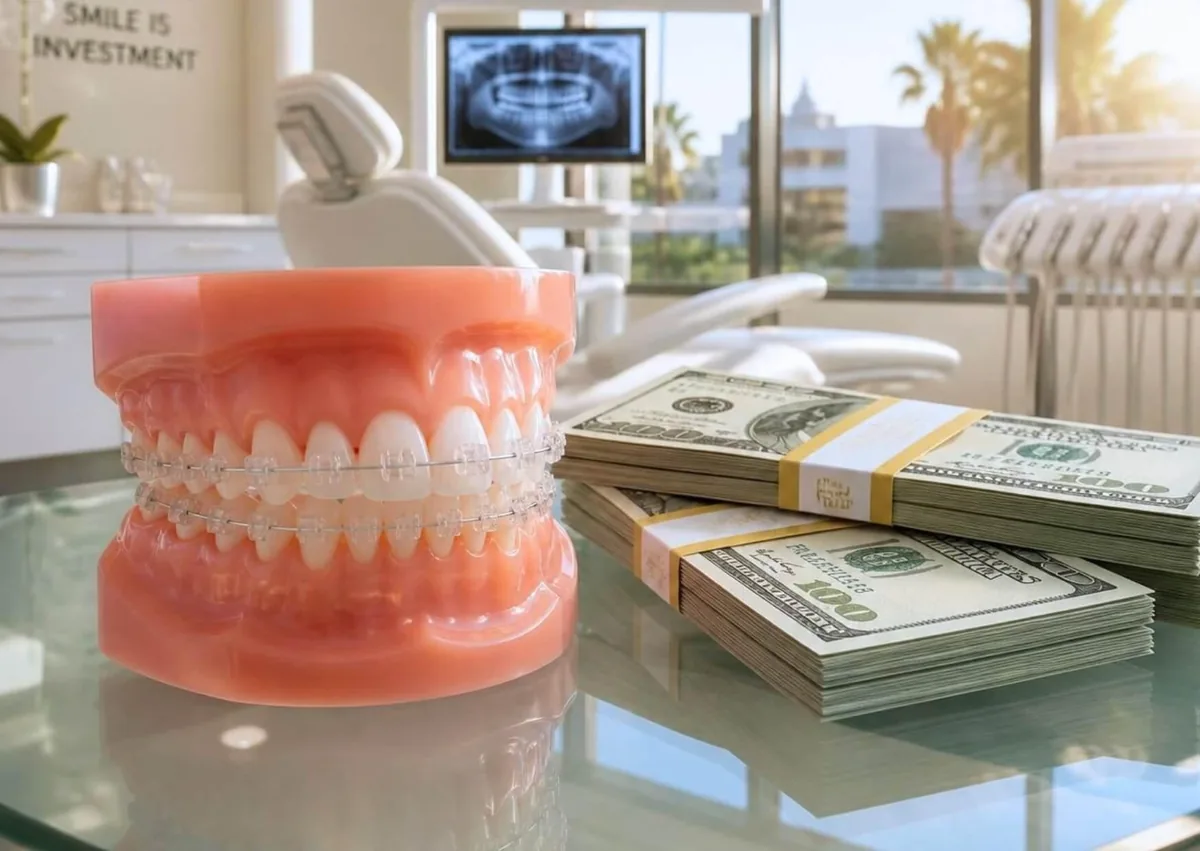
Clear ceramic braces typically cost about $4,000 to $8,000 for comprehensive treatment in the United States. The final fee depends on case complexity, treatment length, the number of ceramic brackets used, insurance benefits, and what the orthodontic office includes in the quoted price.
Ceramic braces are often chosen for crowded, spaced, or misaligned teeth when a patient wants fixed braces that are less noticeable than metal. Only an in-person orthodontic evaluation can confirm whether clear braces are a good fit and provide a personalized estimate.
If you want a less noticeable fixed option for crowded, spaced, or misaligned teeth, clear braces can offer cosmetic improvement while maintaining effective tooth movement. Smart Orthodontics in Charlotte, NC can review whether clear braces suit your bite and explain likely treatment time and costs.
Ceramic braces use tooth-colored or translucent brackets attached to the teeth with an archwire that applies steady pressure. As teeth move, the surrounding bone remodels to support their new positions.
They may be used for crowding, spacing, rotated teeth, and bite concerns such as overbite (see braces fix overbite), underbite, crossbite, or open bite. Correcting a bite issue can help with chewing, tooth wear, gum health, and long-term stability, not just appearance.
Ceramic braces work on the same basic principles as metal braces. However, ceramic brackets can be more brittle and may create more friction during some stages of treatment.
The biggest cost factor is usually how complex the case is and how long treatment will take. Mild spacing may cost less than treatment that includes bite correction, extra appliances, or coordination with other dental care.
Other common cost factors include:
Ask for a written estimate that shows what the treatment fee includes. Some offices bundle records, routine visits, and retainers into one fee, while others charge separately for repairs, replacement retainers, or extended treatment.
Costs vary by region and by case, so these are general U.S. estimates rather than guaranteed quotes. The right choice depends on both appearance goals and the type of tooth movement needed.
|
Treatment |
Typical U.S. Cost Range |
Visibility |
Important Tradeoff |
|---|---|---|---|
|
Metal braces |
$3,000 to $7,000 |
Most visible |
Durable and suitable for many complex movements |
|
Ceramic braces |
$4,000 to $8,000 |
Less noticeable |
May cost more and require careful cleaning |
|
Clear aligners |
$3,000 to $8,000 |
Usually subtle |
Must be worn consistently and may not suit every case |
|
Lingual braces |
$8,000 to $13,000 or more |
Hidden behind teeth |
Higher cost and possible tongue irritation |
Metal braces are usually the strongest fixed option and may be preferred when treatment needs heavier force or more complex mechanics. Ceramic brackets are sometimes limited to the upper teeth because lower brackets can contact and wear opposing teeth in certain bites.
Clear aligners are removable for eating and brushing, but results depend heavily on wearing them as directed, often 20 to 22 hours per day. Ceramic braces stay in place, which can make compliance easier, but food and plaque can collect around the brackets.
Some systems, such as Damon braces, use self-ligating technology that may affect treatment efficiency and visit frequency (see Damon vs. traditional braces).

Dental insurance may cover part of comprehensive orthodontic treatment, but many plans have a lifetime orthodontic maximum. Adult orthodontic coverage is less common than dependent coverage, and some plans do not cover the extra fee for ceramic instead of metal brackets.
Before starting treatment, ask about the covered percentage, lifetime maximum, age limits, waiting periods, and network status. It is also smart to ask how a change in insurance or early treatment termination could affect benefits.
Many orthodontic offices offer monthly payment plans, third-party financing, or discounts for paying in full. HSA or FSA funds may also be used for eligible orthodontic expenses, but patients should confirm details with their plan administrator or tax adviser.
Mild soreness or pressure is common for a few days after braces are placed and after some adjustments. Brackets may also rub the lips or cheeks at first, but orthodontic wax and softer foods often help.
Comprehensive treatment often lasts about 12 to 30 months, though minor or more complex cases may fall outside that range. For more detail on timing, see how long braces take.
Visits are usually scheduled every few weeks so the orthodontist can monitor movement and adjust the appliance safely. If a bracket breaks or a wire becomes painful, contact the office for guidance.
Seek urgent dental or medical care for major facial swelling, uncontrolled bleeding, trouble breathing or swallowing, significant trauma, or severe worsening pain. Those symptoms go beyond routine braces discomfort.
Ceramic brackets themselves are fairly stain-resistant, but clear or tooth-colored elastic ties can discolor from coffee, tea, tobacco, curry, and tomato-based foods. They are often replaced at adjustment visits, but daily cleaning still matters.
Brush around the gumline, brackets, and wires after meals when possible. Clean between the teeth every day with floss threaders, interdental brushes, or another tool your orthodontist recommends.
Plaque buildup around braces can lead to gum inflammation, cavities, or permanent white spots on enamel. For appearance-related care tips, see whiten teeth with braces.
Avoid chewing ice, hard candy, popcorn kernels, pens, and other hard objects. Sticky or chewy foods can loosen brackets or bend wires, which may add repair visits and delay progress.
Successful orthodontic treatment can improve how the teeth fit together, make crowded areas easier to clean, and reduce uneven wear in some cases. The long-term result depends on the starting problem, gum and bone health, treatment cooperation, and retainer use.
Teeth can shift after braces, so retainers are essential. The right retainer type and wear schedule should be based on the individual case, and a damaged or tight retainer should be checked rather than forced into place.
If crowding, spacing, bite problems, uneven wear, or appearance concerns are affecting comfort or confidence, schedule an orthodontic evaluation or review our orthodontic services. An exam and diagnostic records can show whether ceramic braces are appropriate, how long treatment may take, and what the likely out-of-pocket cost will be.
To confirm whether ceramic braces are right for you and get an individualized estimate, schedule a consultation for a focused exam and review of records. Call Smart Orthodontics for clear braces in Charlotte, NC or nearby Harrisburg or Huntersville at (704) 549-8878 to book an appointment.
They may be worth it for someone who wants a less noticeable fixed appliance and is comfortable with the added cost and maintenance. Metal braces may be more durable and less expensive, so the best option depends on clinical needs and personal priorities. For a closer look, read are clear braces worth it.
The ceramic brackets are usually stain-resistant, but the elastic ties around them can discolor. Consistent brushing, professional cleanings, and limiting strongly pigmented foods and tobacco can help.
Both types can cause temporary pressure as teeth move and irritation where brackets touch soft tissue. Ceramic brackets may feel slightly bulkier for some people, but persistent or worsening pain should be checked by the orthodontic office.
They can treat many alignment and bite issues, but they are not ideal for every tooth or every treatment plan. In some cases, an orthodontist may recommend metal brackets in higher-force areas or combine bracket types for a better balance of appearance, durability, and control.
Sometimes, but not always. Ask for an itemized estimate that lists charges for records, adjustments, repairs, retainers, replacement retainers, and post-treatment visits.
Check out Smart Orthodontics Office hours to plan your visit.