Monday & Wednesday
8:00 am - 5:00 pm
Tuesday & Thursday
7:30 am - 4:00 pm
704-549-8878
Call Us Today!
SERVICIOS EN ESPAÑOL
Open bite correction usually involves orthodontic treatment, changes to habits or tongue function, and sometimes jaw surgery when the cause is skeletal. The right plan depends on age, growth, the size and location of the gap, and whether the problem comes from tooth position, jaw position, or both. If you're considering treatment, an orthodontist can explain options available through our orthodontic services.
If you’re concerned about an open bite and weighing treatment options, an orthodontic evaluation can clarify whether growth, habits, or jaw differences are driving the problem. Smart Orthodontics in Charlotte, NC can outline tailored orthodontic services and explain likely timing, benefits, and next steps so you feel confident about care.
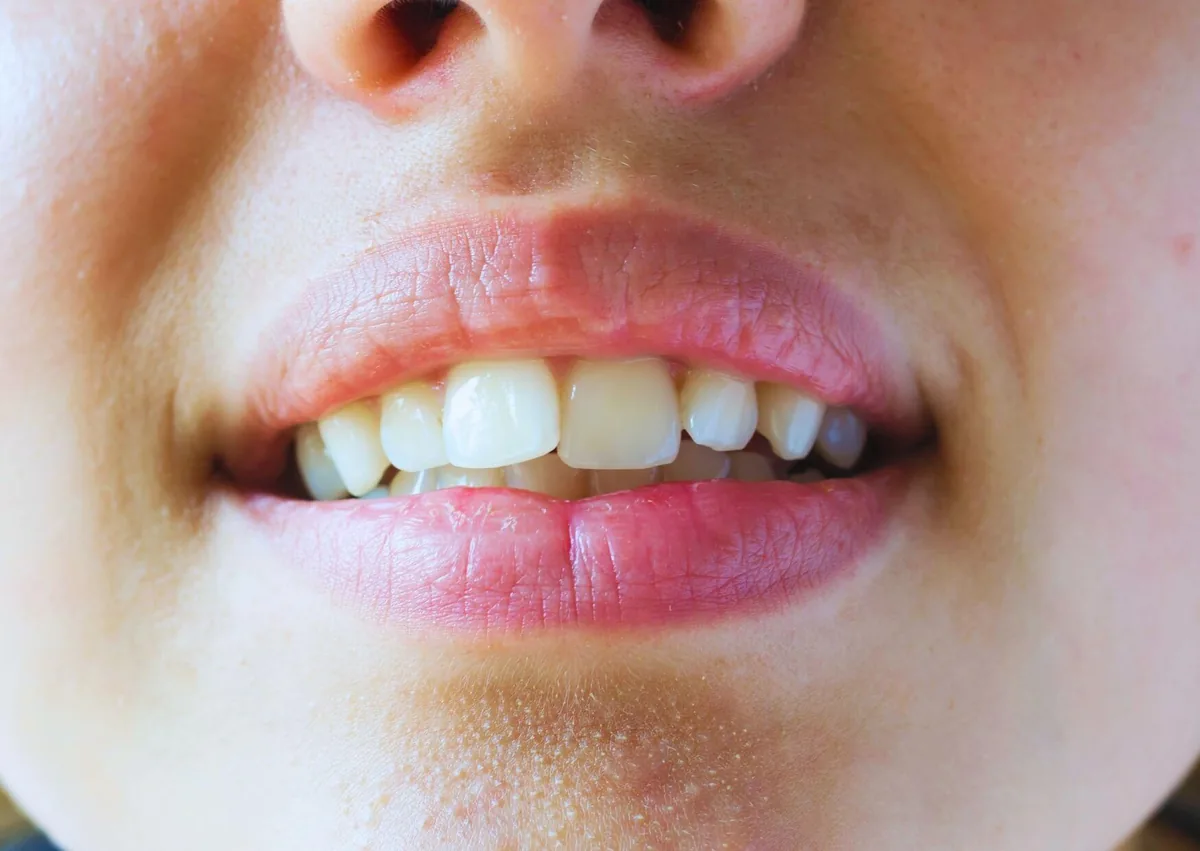
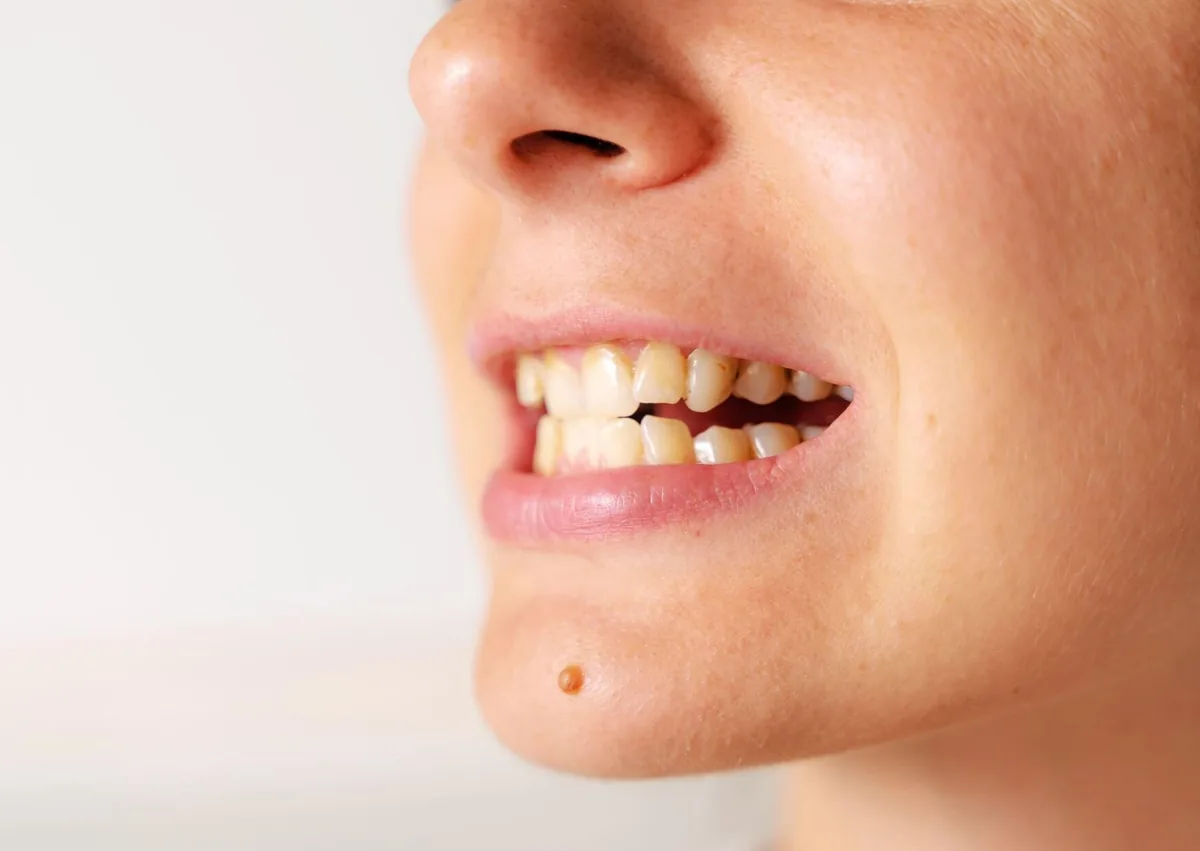
An open bite means some upper and lower teeth do not touch when the mouth is closed. It most often affects the front teeth, creating a visible vertical gap, but it can also affect the back teeth.
Some people notice the appearance first. Others have trouble biting into foods, changes in speech, uneven tooth wear, or a feeling that only a few back teeth handle most of the chewing force.
An open bite can develop from jaw growth patterns, prolonged thumb or pacifier use, tongue pressure against the teeth, or airway-related mouth posture. Gum disease, missing teeth, and other dental problems can also change the bite, so a full exam is important before treatment starts.
The best treatment plan addresses both the visible gap and the reason it developed. If a habit or functional issue continues, the bite may be more likely to reopen after treatment.
|
Option |
Often Considered For |
Main Tradeoffs |
|---|---|---|
|
Habit guidance or an orthodontic appliance |
Children with persistent thumb, finger, or pacifier habits |
Works best during growth and requires cooperation |
|
Dental open bites and cases needing precise tooth movement |
Visible hardware, food restrictions, and careful cleaning |
|
|
Clear aligners |
Selected mild to moderate cases in teens and adults |
Must be worn as directed and may require attachments or elastics |
|
Orofacial myofunctional therapy |
Abnormal tongue or lip posture that may affect stability |
Usually supports dental treatment rather than replacing it |
|
Jaw surgery with orthodontics |
Severe skeletal open bites in adults or after growth |
More involved treatment, surgical risks, recovery time, and higher cost |
Braces and clear aligners can be used to move back teeth, guide front teeth into contact, or coordinate the arches with elastics. Some movements are more predictable with one system than another, so appearance alone should not decide the treatment choice.
In some cases, systems such as Damon Braces may be recommended when efficient tooth movement or comfort are priorities. Clear braces can also be an option for patients who want a less noticeable fixed appliance, and you can learn more in how braces work and clear braces worth.
Children may benefit from early treatment when a habit or developing jaw pattern is identified. Early care does not always prevent braces later, but it may reduce the severity of the problem in the right case. For more on timing, see children's braces.
A skeletal open bite is caused mainly by the size, shape, or position of the jaws rather than tooth position alone. In adults with a significant skeletal difference, orthodontics may improve the bite only to a limited extent, and jaw surgery may offer the most complete correction.
Orthognathic surgery repositions one or both jaws and is planned jointly by an orthodontist and an oral and maxillofacial surgeon. Treatment usually includes orthodontics before and after surgery, along with imaging and a review of health history, risks, recovery, costs, and insurance questions.
Not every open bite needs surgery. A specialist can explain whether nonsurgical treatment is likely to give a stable, functional result or whether it would require compromises in tooth position or facial balance.
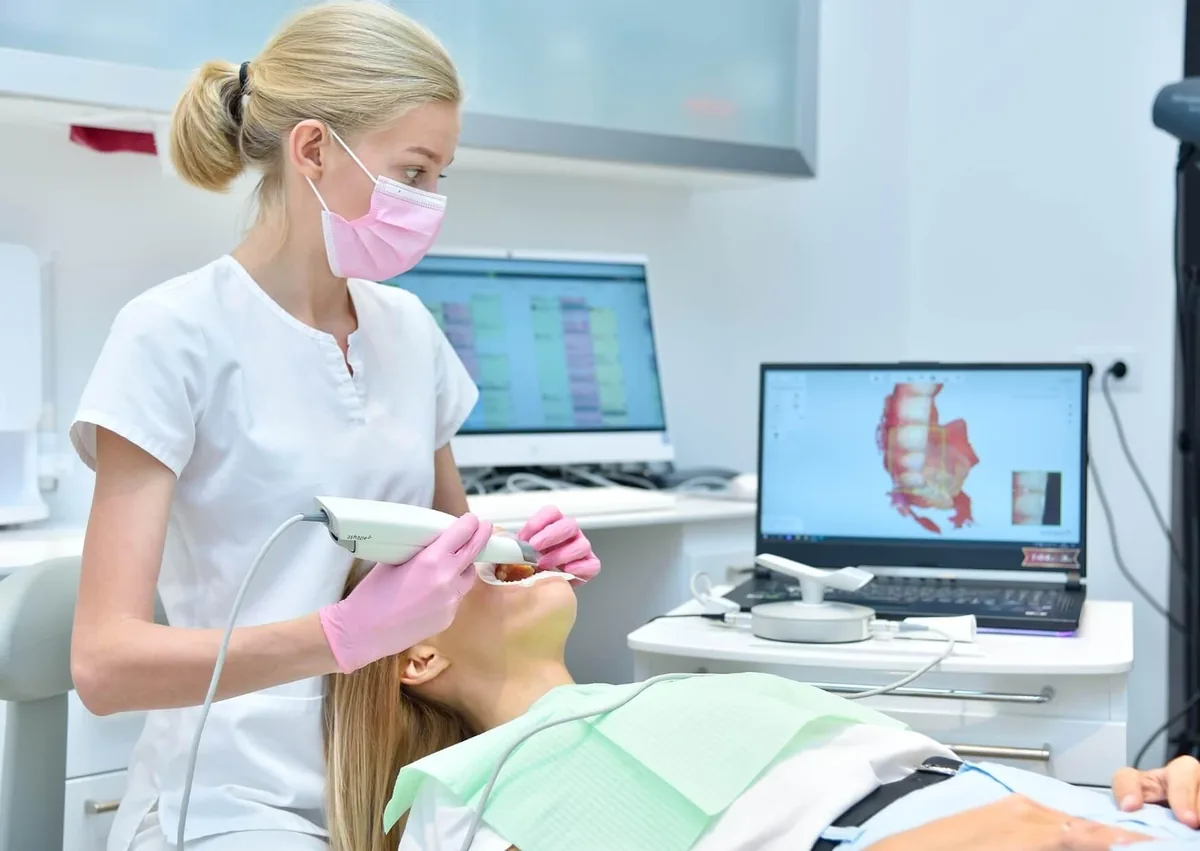
Treatment time depends on growth, severity, the amount of tooth movement needed, appliance wear, and whether surgery is part of the plan. Some dental open bites improve within about a year, while more complex orthodontic or surgical cases can take two years or longer.
Braces, aligners, and elastics often cause temporary pressure or tenderness after placement or adjustment. Sharp hardware, severe pain, facial swelling, fever, trauma, or an appliance that affects breathing or swallowing should be reported promptly, and breathing or swallowing difficulty needs urgent medical care.
Regular visits help the orthodontist monitor tooth roots, gums, jaw joints, and bite changes. Missed appointments, broken appliances, inconsistent elastic use, or poor aligner wear can slow treatment and make results less predictable.
Teeth can shift after treatment, and open bites may be especially prone to relapse if the original growth pattern, tongue posture, or oral habit continues. Retainer wear is a key part of keeping the correction stable.
Many patients need long-term nighttime retainer wear based on their orthodontist's instructions. Good brushing, interdental cleaning, routine dental care, and replacing damaged or poorly fitting retainers also help protect the result.
If tongue function, mouth breathing, or an airway concern contributed to the bite, coordinated care may be recommended. That may include dental, medical, or therapy professionals depending on the cause.
Successful treatment can improve biting efficiency, spread chewing pressure more evenly, reduce abnormal tooth wear, and make speech or lip closure easier in some cases. It can also improve smile appearance, although the final change depends on the underlying anatomy and the treatment used.
Schedule an orthodontic evaluation if the teeth do not meet, the opening seems to be increasing, biting food is difficult, speech is affected, or a child continues a thumb, finger, or pacifier habit beyond the age advised by a pediatric dentist.
An orthodontist can assess growth, tooth position, habits, gum health, and jaw relationships, then explain realistic benefits, limits, timing, and costs.
The appropriate next step is a focused orthodontic evaluation to confirm causes of the open bite and get a clear treatment plan. Contact Smart Orthodontics for orthodontic services in Charlotte, NC and nearby Harrisburg or Huntersville, and call (704) 549-8878 to schedule.
A young child's open bite may improve after a sucking habit stops, especially while substantial growth remains. Persistent, worsening, or later-developing open bites should be evaluated rather than expected to resolve on their own.
Clear aligners can correct selected open bites, sometimes with attachments, elastics, or other auxiliaries. Their suitability depends on the cause and complexity of the bite, as well as consistent wear. See how Invisalign works for more on aligner mechanics.
Yes. Adults may be treated with braces, clear aligners, or orthodontics combined with jaw surgery, depending on whether the problem is mainly dental or skeletal. For more on adult treatment, see adult braces.
Relapse is possible because teeth and oral tissues continue to respond to pressure and growth patterns. Consistent retainer use and management of contributing habits or tongue posture can improve long-term stability.
Check out Smart Orthodontics Office hours to plan your visit.