Monday & Wednesday
8:00 am - 5:00 pm
Tuesday & Thursday
7:30 am - 4:00 pm
704-549-8878
Call Us Today!
SERVICIOS EN ESPAÑOL
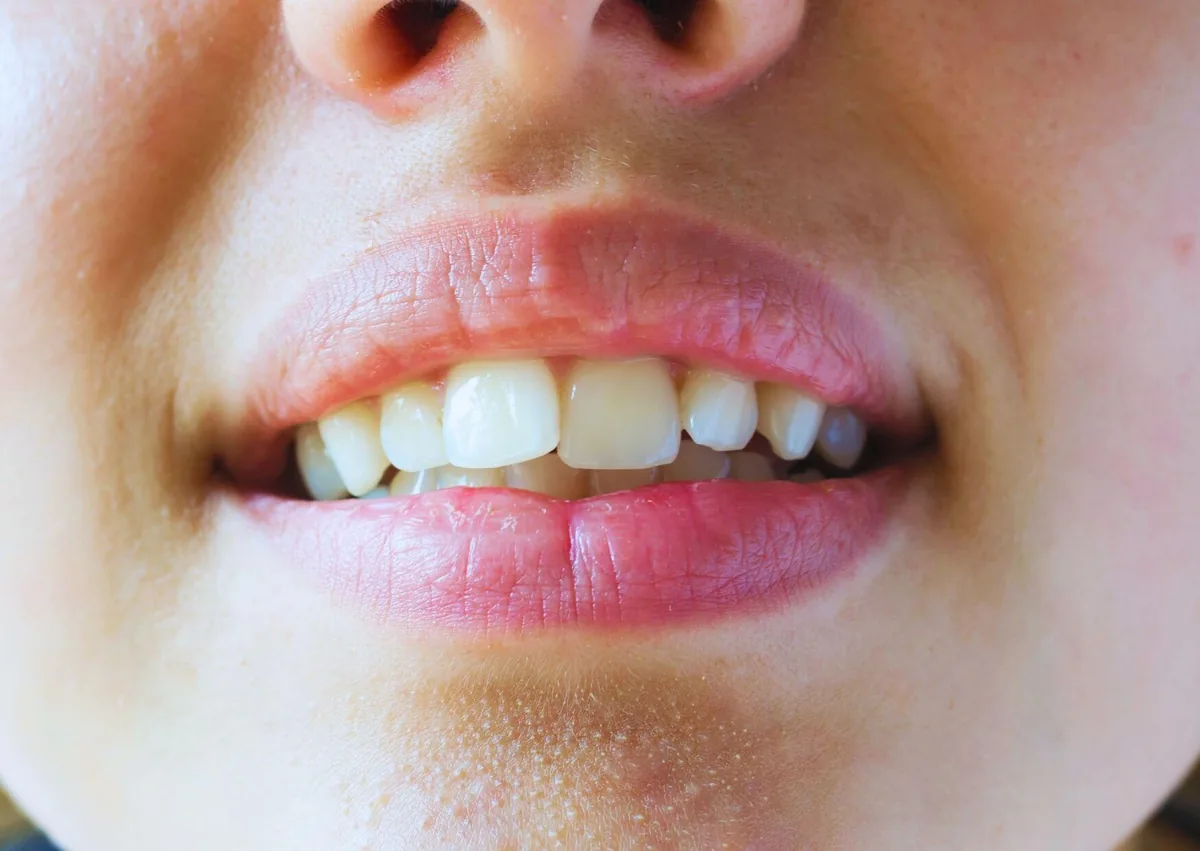
Teeth shifting after braces is common, especially if retainers are not worn as directed, and it does not always mean treatment failed. Very small changes may improve with professionally guided retainer use, while more noticeable movement may need a new retainer, clear aligners, or limited braces.
Do not force a retainer that no longer fits, because an exam is the safest way to judge how much movement has happened.
If your retainer no longer fits or your teeth feel like they’ve shifted, a focused orthodontic evaluation through our orthodontic services can clarify whether a retainer, clear aligners, or limited braces are best. Smart Orthodontics in Charlotte, NC can review your history and scans to recommend a practical, conservative plan to restore comfort and function.
Teeth are supported by bone, ligaments, gums, and the pressure from the lips, cheeks, and tongue. After braces or aligners move teeth, those tissues need time to reorganize, and teeth can drift back toward earlier positions. This is called orthodontic relapse.
Retainers help hold teeth while the surrounding tissues stabilize. Even after that period, teeth can still change over time because of bite forces, aging, jaw changes, and changes in gum or bone support.
Teeth shifting after braces is more likely when a removable retainer is worn inconsistently, becomes warped, or is lost. A bonded retainer can also loosen or break without being obvious at first.
Wisdom teeth are often blamed for crowding, but they are not considered the usual or sole cause of front-tooth shifting. Based on available evidence, removing wisdom teeth only to prevent orthodontic relapse is generally not justified unless there is another clinical reason.
Early changes are often subtle. Your retainer may feel tighter, a small space may reopen, or one lower front tooth may start to overlap another.
You may also notice that your bite feels different or that your teeth no longer meet evenly. If you have a bonded retainer, it may feel loose or catch in a new way.
Photos from right after treatment can help show whether the change is new or getting worse. A retainer that feels mildly snug after a short lapse may still fit, but if it rocks, leaves a visible gap, causes marked pain, or needs strong pressure, stop using it and call an orthodontist or dentist.
The right treatment depends on how far the teeth have moved, whether the bite has changed, and whether the teeth and gums are healthy. An orthodontist may compare scans or records, check the bite, and look for gum disease, bone loss, decay, or a damaged retainer before recommending correction.
If relapse needs active treatment, options may include traditional braces or clear braces. If the movement is more advanced, you may need braces again. If you want to compare brace styles, see Damon vs. traditional braces.
|
Option |
Often Considered When |
Main Tradeoff |
|---|---|---|
|
Retainer adjustment or supervised wear |
Movement is very slight and the retainer still fits appropriately |
Cannot reliably correct substantial movement |
|
New passive retainer |
Tooth positions remain acceptable but the old retainer is lost, worn, or damaged |
Holds the current position rather than moving teeth back |
|
Clear aligners |
Mild to moderate relapse needs correction |
Requires consistent wear and may not suit every bite problem |
|
Limited braces |
Several teeth or one area needs controlled movement |
More visible and requires careful cleaning |
|
Comprehensive orthodontic treatment |
Relapse is significant or the bite has changed |
Usually takes longer and costs more than limited correction |
A retainer is mainly meant to hold teeth in place, not move them back without supervision. In some cases, a retainer can help with very minor movement under professional guidance, but an old or poorly fitting appliance can place pressure in the wrong way and miss bite problems.
Cosmetic options such as bonding or veneers may improve the look of small spaces or uneven edges. They do not correct the underlying tooth position or bite, and they come with different maintenance needs.
If you are considering aligners, it helps to know how long Invisalign is usually worn so your timing and wear expectations are realistic.
Minor correction may take a few weeks to a few months. More involved retreatment can take longer, especially if the bite also needs correction.
Timing depends on the amount of movement, the type of tooth movement needed, bone and gum health, and how consistently removable aligners are worn. A simple retainer issue is usually faster to address than broader relapse.
Mild pressure or tenderness is common for a few days after starting treatment or switching aligners. Severe pain, swelling, pus, fever, facial swelling, trauma, or a very loose tooth needs prompt dental evaluation. Trouble breathing or swallowing is an emergency.
Cost varies based on case complexity, treatment length, appliance type, and insurance benefits. A written estimate should make clear whether records, appliances, visits, and replacement retainers are included.
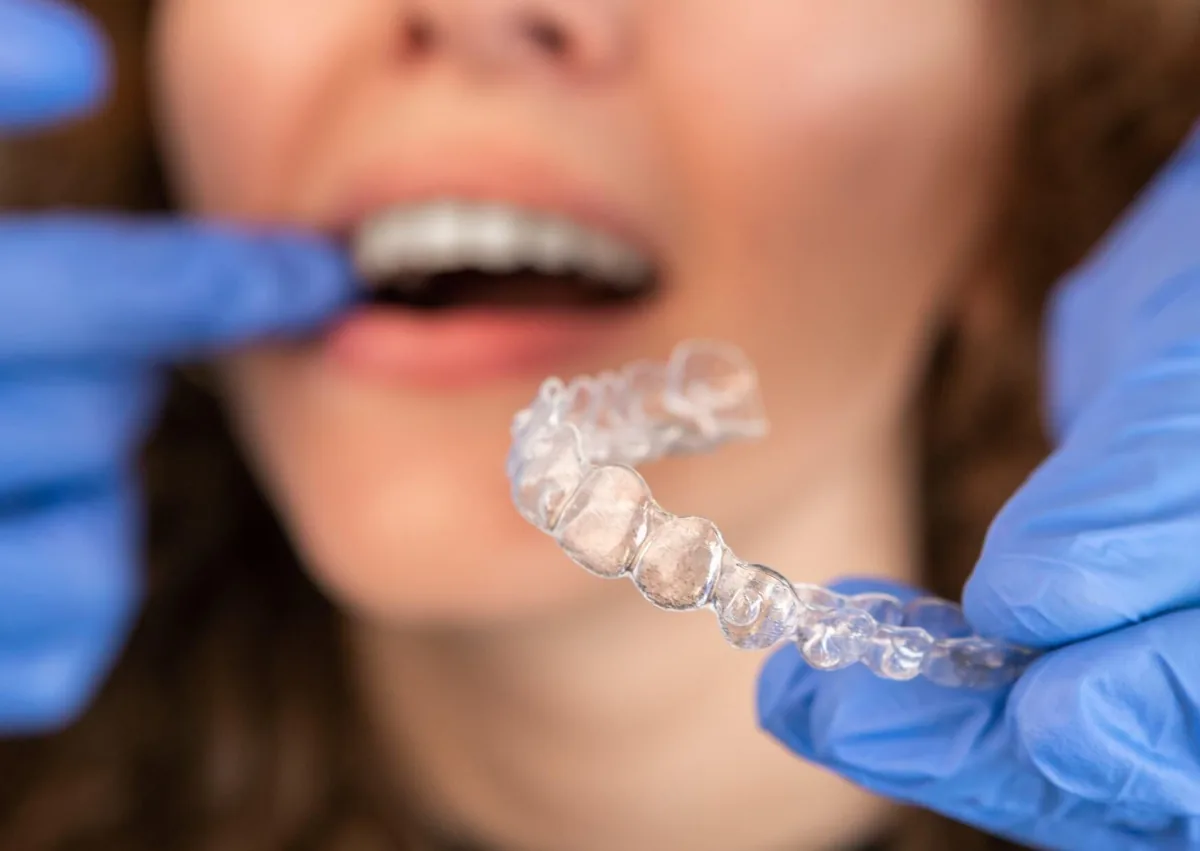
The best way to prevent more movement is to wear retainers exactly as instructed. Many people transition to nighttime wear, but some form of long-term retention is commonly needed because teeth can keep changing throughout life.
Clean removable retainers as directed and keep them away from hot water, pets, and napkins where they can be damaged or thrown away. Bring them to dental and orthodontic visits so the fit and condition can be checked.
If you have a bonded retainer, brush carefully around it and use floss threaders, interdental brushes, or another recommended cleaning aid. Contact the office if the wire bends, detaches, traps buildup, or seems to allow a tooth to move.
Not all movement is simple relapse. Gum disease and bone loss can also cause teeth to shift, so bleeding gums, receding gums, bad breath, new spaces, or loose teeth should be evaluated rather than managed by wearing a retainer more often.
Schedule an evaluation with our orthodontic services if your retainer no longer seats fully, visible movement is getting worse, your bite feels different, or a bonded retainer is loose or broken. It is also reasonable to come in if the change is small but bothers you cosmetically.
Earlier evaluation often preserves simpler treatment options and may prevent more movement. Stable alignment can make teeth easier to clean, improve contact in some bites, and help protect the results of earlier orthodontic treatment.
An orthodontist or dentist can tell the difference between normal minor change, orthodontic relapse, gum-related movement, and other dental problems. That visit also gives you a clear chance to discuss treatment scope, comfort, timing, maintenance, and cost before deciding what to do.
An orthodontic evaluation can define the least invasive way to correct relapse and preserve long-term results. Call Smart Orthodontics for orthodontic services in Charlotte, NC and nearby Harrisburg or Huntersville at (704) 549-8878 to book a visit or check same-day availability.
Possibly, if it still seats fully and causes only mild, brief pressure. If it does not fit, looks distorted, or causes significant pain, do not force it. Have an orthodontist check the tooth positions and the appliance first.
Movement can begin within days or weeks after retainer wear stops, especially soon after active treatment ends. In other cases, changes build slowly over months or years.
A properly fitting retainer may help with extremely minor movement when an orthodontist recommends that approach. More noticeable relapse usually needs an active appliance such as clear aligners or braces before a new retainer is made.
Long-term retention is commonly recommended because teeth can shift throughout life. The schedule may become less intensive over time, but it should only be changed with guidance from your treating dental professional.
Yes. A bonded retainer can detach from one tooth, bend, or hold only the teeth it is attached to while other teeth continue to move. Regular dental and orthodontic checks help catch these problems early.
Check out Smart Orthodontics Office hours to plan your visit.