Monday & Wednesday
8:00 am - 5:00 pm
Tuesday & Thursday
7:30 am - 4:00 pm
704-549-8878
Call Us Today!
SERVICIOS EN ESPAÑOL
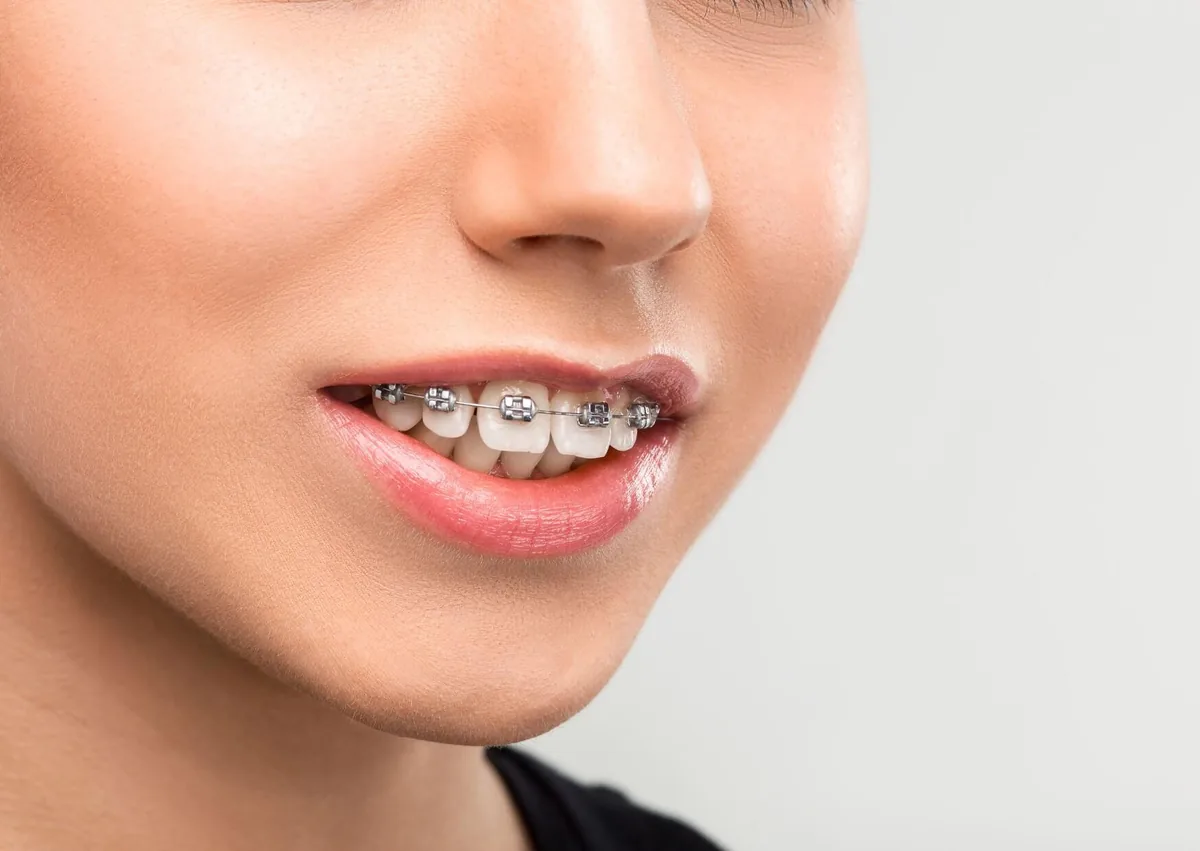
Overbite correction usually involves braces or clear aligners (see how Invisalign works), sometimes combined with elastics, growth-guiding appliances, tooth removal, or jaw surgery. The right approach depends on whether the overbite is caused mainly by tooth position, jaw structure, or both, so an orthodontic evaluation is needed before treatment is chosen.
If you're weighing options for correcting a deep overbite or uncertain which approach fits your bite and goals, consider an evaluation through our orthodontic services. A consultation at Smart Orthodontics in Charlotte, NC helps clarify whether braces, clear aligners, or other treatments will likely be needed and what you can expect.
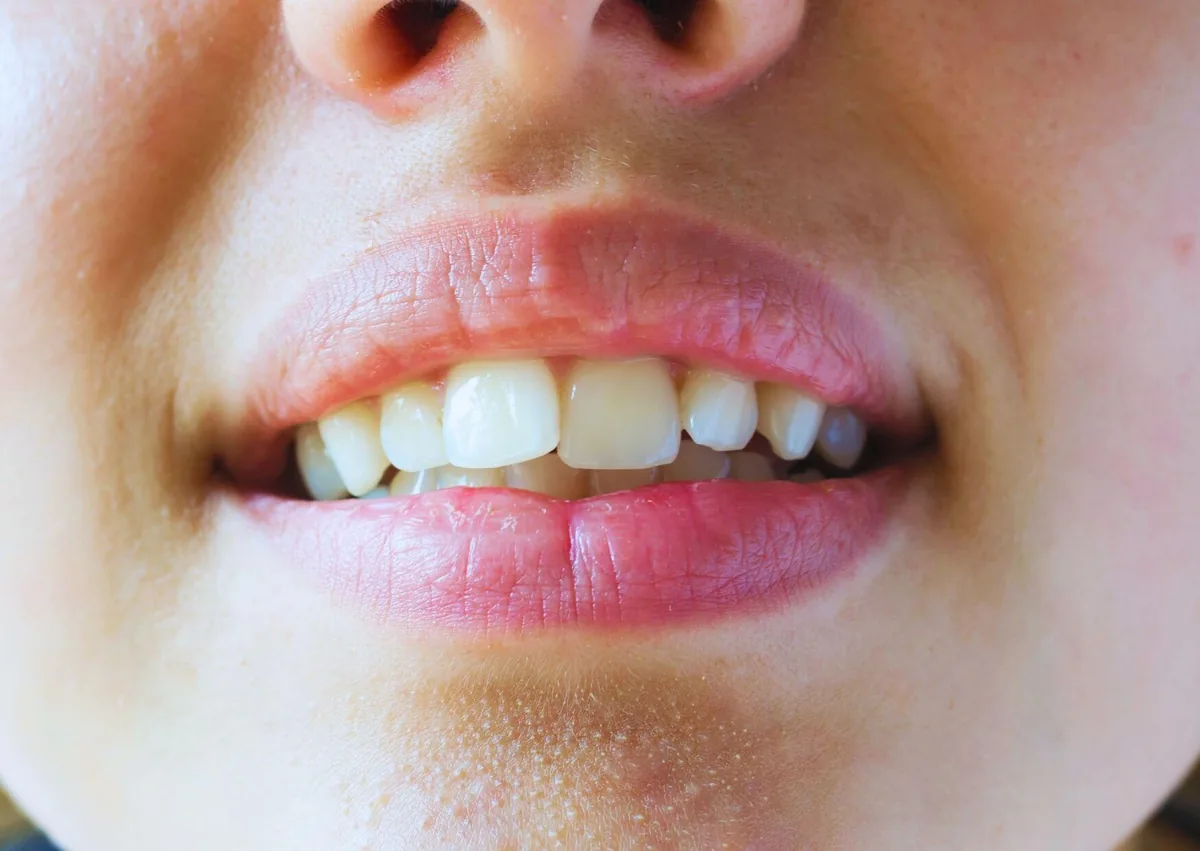
An overbite describes how much the upper front teeth vertically overlap the lower front teeth when the mouth is closed. Some overlap is normal, but a deep overbite can cover too much of the lower teeth or allow them to contact the gum tissue behind the upper teeth.
People may notice worn or chipped front teeth, gum irritation, or trouble biting certain foods. Others learn they have an overbite during a routine dental or orthodontic exam.
An overbite is different from an overjet. Overjet refers to upper front teeth that project forward horizontally, and while the two problems can happen together, they are measured differently and may need different treatment.
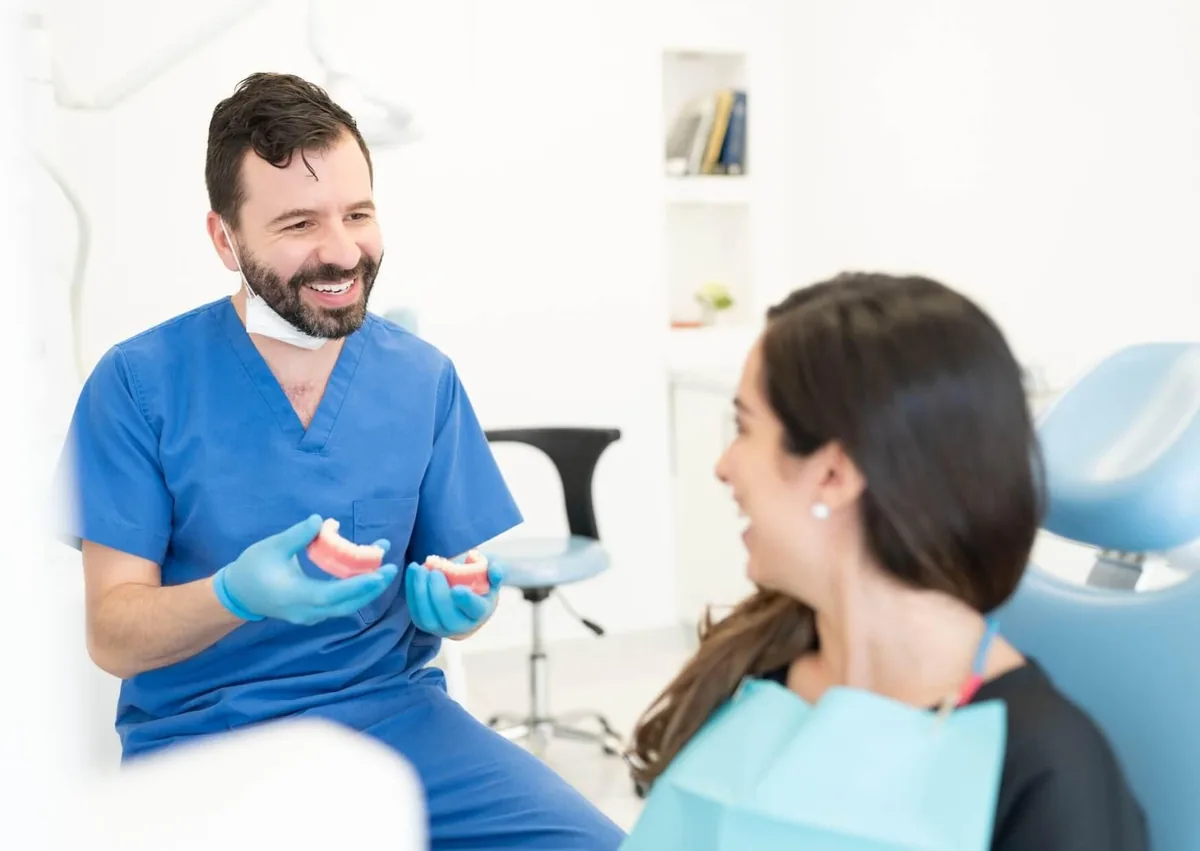
An orthodontist looks at the teeth, gums, bite, facial proportions, and jaw movement. Records often include photos, digital scans or impressions, and X-rays to show tooth roots and jaw relationships.
The next step is identifying whether the overbite is mainly dental or skeletal. A dental overbite is mostly related to tooth position, while a skeletal overbite involves the size, shape, or position of the jaws.
Age also matters. In growing children and teens, some jaw-related problems may respond to growth-guiding treatment that is no longer effective once growth is complete.
Treatment planning should match the cause of the bite problem, not just how the front teeth look.
Several treatments can move teeth into a healthier relationship. More severe jaw differences may require a combination of orthodontic treatment and surgery.
|
Treatment |
Often Considered For |
Main Tradeoffs |
|---|---|---|
|
Braces |
Mild to complex tooth movement |
Visible hardware, cleaning requires extra attention |
|
Clear aligners |
Selected mild to moderate cases and some complex cases |
Must be worn as directed; not suitable for every bite pattern |
|
Elastics |
Adjusting how the upper and lower teeth meet |
Results depend heavily on consistent wear |
|
Growth-guiding appliances |
Certain jaw relationships in growing children or teens |
Timing is limited by growth and later braces may still be needed |
|
Tooth removal |
Crowding or protrusion when space is needed |
Irreversible and appropriate only after detailed planning |
|
Jaw surgery with orthodontics |
Significant skeletal differences after growth |
Greater cost, recovery, and medical risk |
Braces provide precise control across a wide range of bite problems; see how braces work. Clear aligners are less noticeable and removable for meals, but they usually need to be worn 20 to 22 hours per day and may still require attachments or elastics.
Some patients also compare bracket styles and appearance. For example, Damon braces use self-ligating mechanics (see Damon vs. traditional braces), while clear braces offer a less visible fixed option.
Tooth removal is not part of every overbite treatment plan. It may be recommended when creating space supports a healthier bite and facial balance, while jaw surgery is usually reserved for skeletal problems that tooth movement alone cannot fully correct.
Mild soreness is common for a few days after braces are adjusted or a new aligner is started. Brackets, wires, or aligners can also irritate the cheeks or lips at first, but this usually improves as the mouth adapts.
Treatment often takes about 12 to 30 months. Simpler cases may take less time, while complex skeletal cases may take longer.
Timing can change based on growth, bite severity, missed visits, broken appliances, and how consistently aligners or elastics are worn. Following instructions closely is one of the biggest factors in staying on schedule.
Call the dental or orthodontic office if an appliance breaks, pain worsens, swelling becomes significant, fever develops, or an injury changes the bite. Seek urgent medical care for trouble breathing or swallowing, uncontrolled bleeding, or rapidly increasing facial swelling.
Teeth naturally tend to shift after active treatment. Retainers help hold them in their corrected positions while the surrounding bone and tissues stabilize, and some form of long-term retainer wear is commonly recommended.
Retainers may be removable or bonded behind the teeth. They should be cleaned as directed and checked if they become loose, cracked, distorted, or uncomfortable rather than being forced into place.
Good brushing, interdental cleaning, and routine dental visits still matter during and after treatment. These habits help reduce the risk of cavities, gum inflammation, and enamel marks around orthodontic appliances.
Correcting a significant overbite may reduce abnormal tooth wear, improve biting function, protect irritated gum tissue, and make the teeth easier to clean. Appearance may also improve, but long-term stability depends on the original bite pattern and continued retainer use.
Consider an evaluation with our orthodontic services if the lower teeth contact the palate or gum tissue, front teeth are wearing or chipping, the bite feels harder to use, or the jaw relationship is a concern.
Children should receive an orthodontic checkup by age 7, according to the American Association of Orthodontists, although many do not need treatment at that age. See our children's braces resource for more on early evaluation.
Adults can also pursue overbite correction. See our adult braces article to learn more about treatment options for mature patients.
A focused evaluation will identify whether tooth movement, growth guidance, or surgery is likely and outline a practical treatment plan. Call Smart Orthodontics, specialists in orthodontic services in Charlotte, NC and nearby Harrisburg and Huntersville at (704) 549-8878 to schedule an appointment.
Sometimes. Clear aligners may correct selected overbites, and growing patients may benefit from certain appliances, but braces can offer better control for more complex tooth movements.
Yes. Teeth can move at any age when oral health is adequate, although adults cannot use growth modification and may need jaw surgery for a substantial skeletal difference.
Some shifting can happen because teeth remain responsive to pressure throughout life. Wearing retainers as directed greatly lowers the risk of noticeable relapse.
No. A small amount of vertical overlap is normal, and treatment is usually considered when the bite affects oral health, function, stability, or appearance in a way the patient wants to address.
Check out Smart Orthodontics Office hours to plan your visit.