Monday & Wednesday
8:00 am - 5:00 pm
Tuesday & Thursday
7:30 am - 4:00 pm
704-549-8878
Call Us Today!
SERVICIOS EN ESPAÑOL
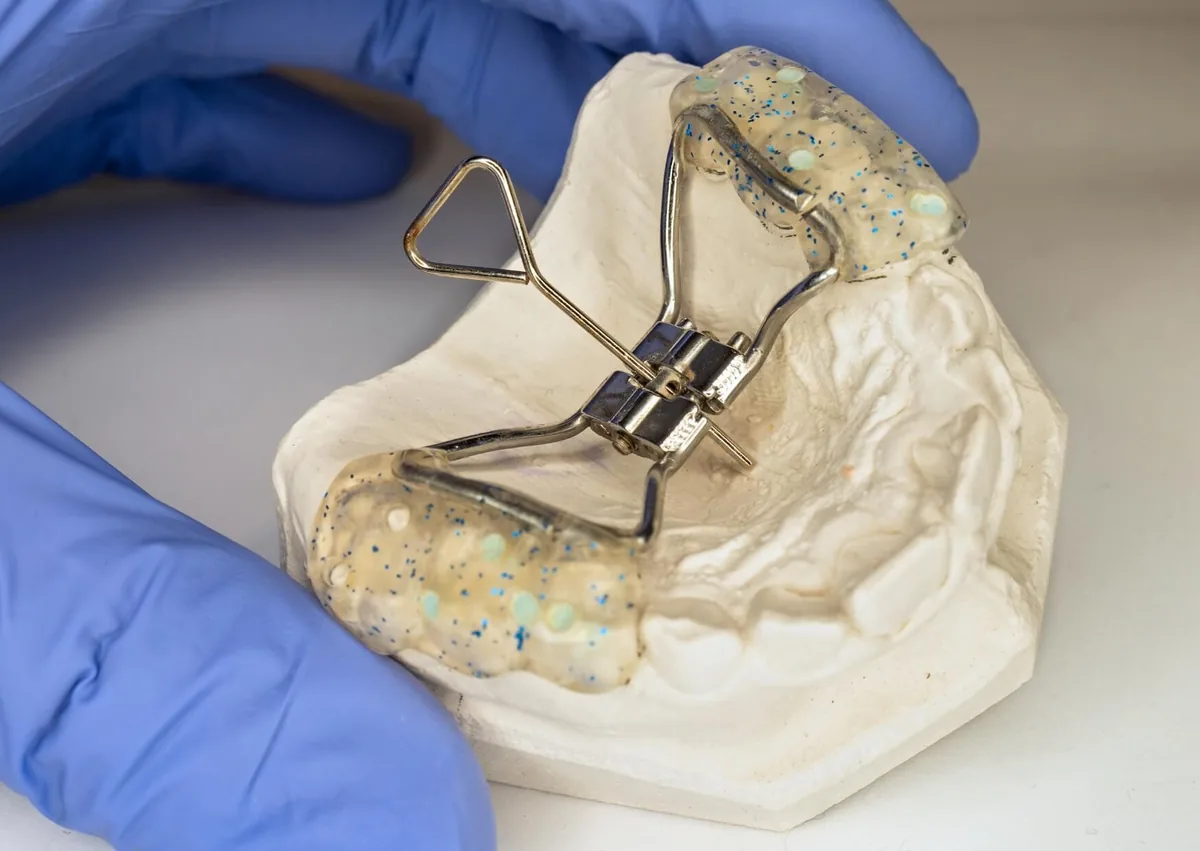
An expander before braces may be recommended when the upper jaw is too narrow, the bite does not fit together correctly, or there is not enough room for teeth to line up well. Expansion helps widen the upper arch first, while braces or clear aligners later move individual teeth into better positions.
Not everyone needs an expander before braces. An orthodontist decides based on the bite, jaw width, growth pattern, tooth position, and supporting bone, often using photos, digital scans, and X-rays; for a broader overview, see our orthodontic services.
If you are trying to understand whether expansion should happen before braces, it helps to know that each step solves a different part of the problem. At Smart Orthodontics in Charlotte, NC, we explain how braces finish alignment after expansion so patients and parents know what to expect at each stage.
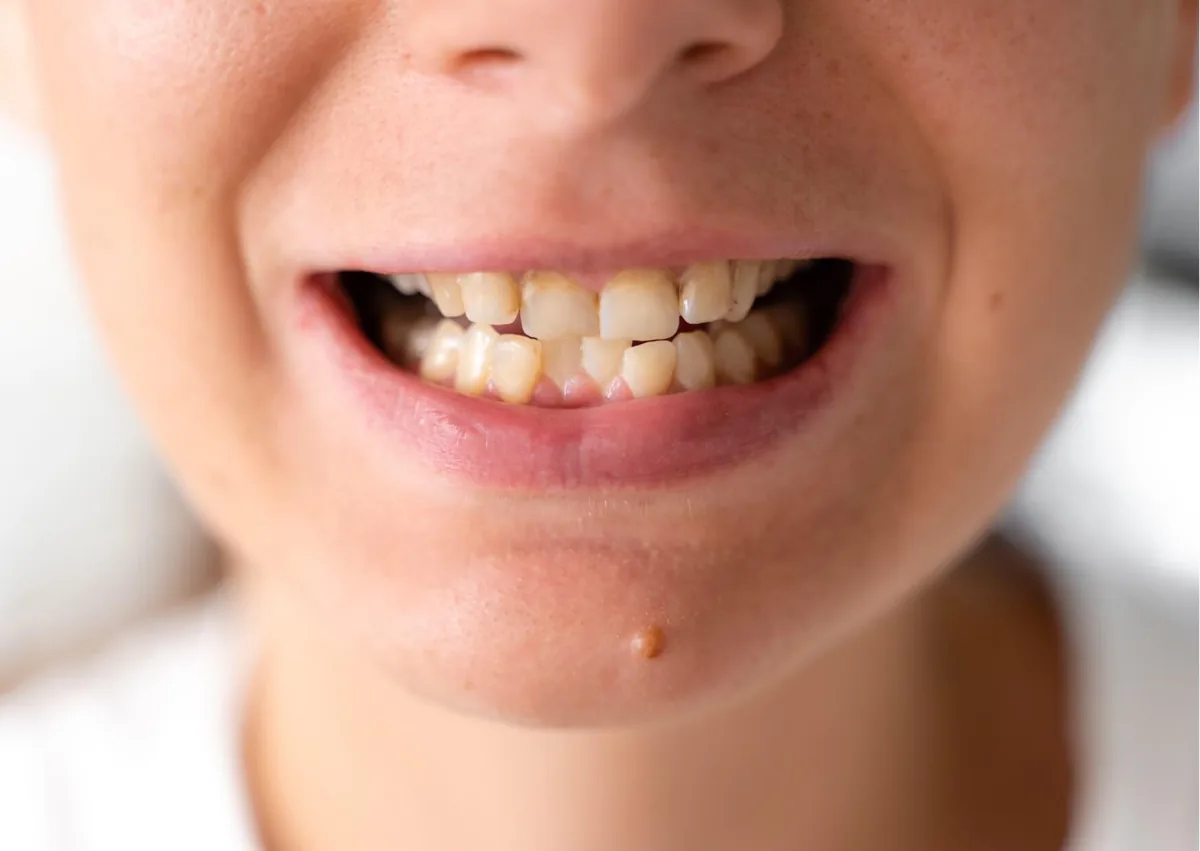
A narrow upper jaw often shows up as a posterior crossbite. That means some upper back teeth bite inside the lower teeth instead of outside them.
Other signs can include crowding, a visibly narrow upper arch, uneven tooth contact, or a jaw that shifts to one side when closing. Some patients also notice that the bite feels off even if the front teeth look fairly straight.
Jaw width and tooth alignment are not the same issue. An expander is used to improve upper-jaw width, while braces mainly move teeth through the bone to improve alignment, spacing, and bite fit.
In growing children, the seam in the roof of the mouth has not fully matured. That is why orthopedic expansion is often more predictable earlier, depending on suture maturation.
An orthodontist may recommend expansion first when braces alone could straighten teeth without fixing the underlying width problem. In those cases, aligning teeth without enough arch width can leave the bite less stable or less complete.
Expansion may also create room so braces can work more efficiently afterward. Once width is improved, braces can refine rotations, close unwanted spaces, and coordinate the upper and lower arches more precisely.
Some children have an expander during early treatment and then enter a monitoring phase before comprehensive children's braces in the teen years. Others move directly from expansion into braces, depending on eruption, growth, and treatment goals.
Age matters, but it is not the only factor. Skeletal maturity varies, so orthodontists look at growth and anatomy rather than relying only on a patient’s birthday.
A fixed rapid palatal expander is attached to the upper teeth and usually includes a center screw that is turned on a set schedule. A slow expander uses lighter forces over more time, and removable appliances may help in selected, more limited cases.
Tooth-supported expanders deliver force through the teeth. For some older teens and adults, bone-supported or surgically assisted expansion may be considered when conventional expansion is less likely to create the intended skeletal change.
Alternatives can include limited arch development, selected tooth removal, or orthodontic camouflage. Each option has tradeoffs involving stability, gum support, facial balance, treatment length, invasiveness, and how fully the bite discrepancy can be corrected.
Clear aligners can sometimes create modest arch changes, but they do not replace true skeletal expansion in every case. If recommendations differ widely, especially when surgery or permanent tooth removal is involved, a second orthodontic opinion can be helpful.
After an expander is placed or adjusted, pressure across the teeth, cheeks, or roof of the mouth is common. Speech changes, extra saliva, and mild chewing tenderness often improve as the mouth adapts, but severe pain or worsening pain is not expected.
A temporary gap between the upper front teeth may appear during expansion. This is often a normal sign that the upper arch is widening and is usually managed later during orthodontic treatment.
Follow the activation schedule exactly as instructed. Do not add extra turns to try to speed up treatment.
If a key is used, caregivers should receive an in-person demonstration. Contact the office if a turn is missed or the screw does not seem to move normally.
The active widening phase may last from several days to a few weeks, depending on the appliance and treatment plan. After that, the expander often stays in place for several more months so the new bone can stabilize.
That holding period is important. Removing the appliance too soon can reduce stability and limit the benefit of the expansion.
Brush carefully around bands, screws, and metal arms. An interdental brush or water flosser may help remove trapped food more effectively.
Sticky or very hard foods can loosen or damage some appliances. Follow the food instructions given by the orthodontic team.
Keep all scheduled checkups, even if the expander feels fine. These visits help the orthodontist monitor bite changes, gum health, appliance stability, and whether activation should continue or stop.
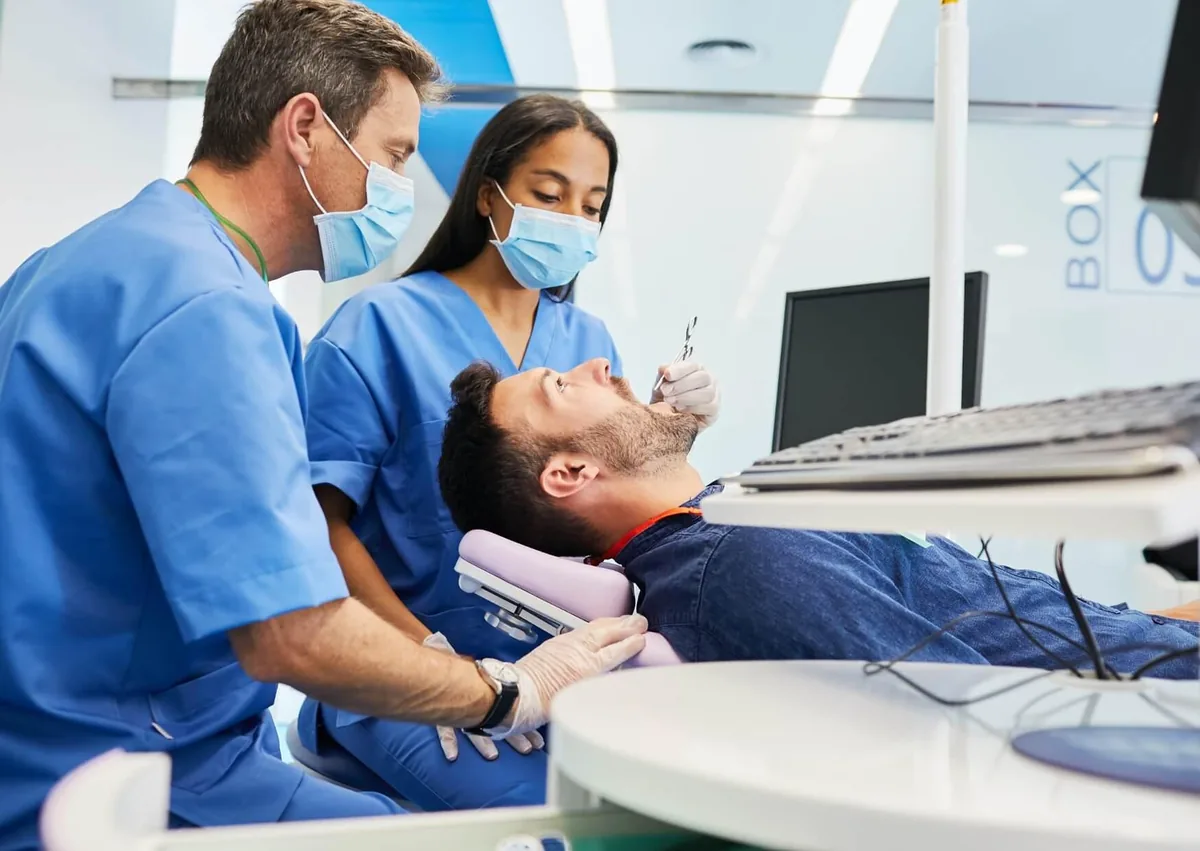
When expansion is used for the right reason and held long enough, it can improve bite coordination, create space, and provide a better foundation for later tooth alignment. It may also help reduce functional shifts of the jaw and improve how the upper and lower arches fit together.
An evaluation is worth scheduling when a child has a clear crossbite, increasing crowding, an uneven bite, or a jaw that shifts to one side when closing. Adults with similar concerns should also be assessed rather than assuming expansion is not possible.
Call promptly if the appliance becomes loose, breaks, presses deeply into tissue, or prevents the bite from closing normally. Persistent bleeding, major swelling, fever, pus, facial swelling, trouble swallowing, or difficulty breathing needs urgent professional guidance, and breathing or swallowing difficulty warrants emergency care.
If you want a clear plan after expansion, a focused consultation can confirm whether braces are the best next step and outline timing. Call Smart Orthodontics to discuss braces in Charlotte, NC and nearby Harrisburg or Huntersville at (704) 549-8878 to schedule a consultation.
No. Many people can start braces or aligners without expansion, while others need added space or correction of a narrow upper jaw first.
Braces can move teeth outward and reshape the dental arch to a degree. They usually do not create the same skeletal change as a properly selected expansion appliance, especially when a meaningful jaw-width discrepancy is present.
Timing varies. Braces may be placed during expansion, soon afterward, or after a longer observation period based on growth, tooth eruption, bite response, and the overall treatment plan; see how long braces take for more on typical timelines.
Most patients describe pressure or short-term tenderness rather than severe pain. Contact the orthodontist if discomfort is intense, persists, worsens, or comes with swelling, sores, or a loose appliance.
Yes, but the approach may differ because the upper-jaw suture becomes more mature with age. Some adults may be candidates for specialized bone-supported expansion or surgically assisted treatment, while others may benefit from a different orthodontic plan; see our adult braces post for more on adult treatment options.
Check out Smart Orthodontics Office hours to plan your visit.