Monday & Wednesday
8:00 am - 5:00 pm
Tuesday & Thursday
7:30 am - 4:00 pm
704-549-8878
Call Us Today!
SERVICIOS EN ESPAÑOL
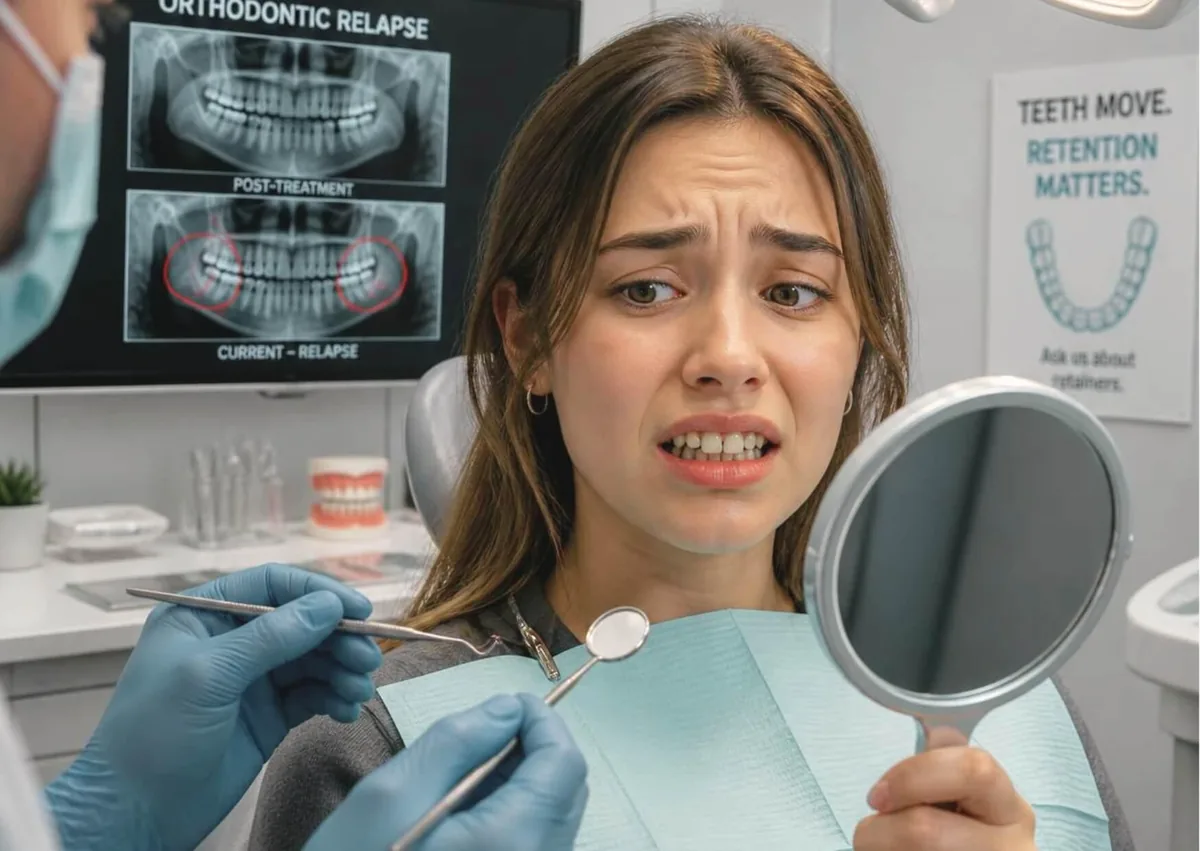
Orthodontic relapse means teeth have moved away from their corrected positions after braces or clear aligner treatment. Small changes may be managed with a retainer, while more noticeable crowding, spacing, or bite changes may need limited or comprehensive treatment. An orthodontic evaluation can show how much movement has happened and which option is the safest and simplest.
If your teeth look more crowded or your retainer no longer fits, an orthodontic services evaluation can show whether you need a simple retainer update or active correction. Smart Orthodontics in Charlotte, NC helps patients understand why relapse happens and what can protect their results going forward.
Teeth are supported by bone, gums, and periodontal ligaments, which connect each tooth to the surrounding bone. After orthodontic movement, these tissues need time to reorganize, and they continue responding to pressure throughout life. That is why long-term retainer wear is usually important.
Relapse often happens when a retainer is not worn as directed, gets damaged, or stops fitting correctly. Teeth can also shift because of normal aging, ongoing jaw changes, tooth loss, gum disease, or pressure from the lips and tongue.
Wisdom teeth are often blamed for lower front crowding, but they are not considered the only cause in most cases. Teeth can become crowded even when wisdom teeth are missing or have already been removed.
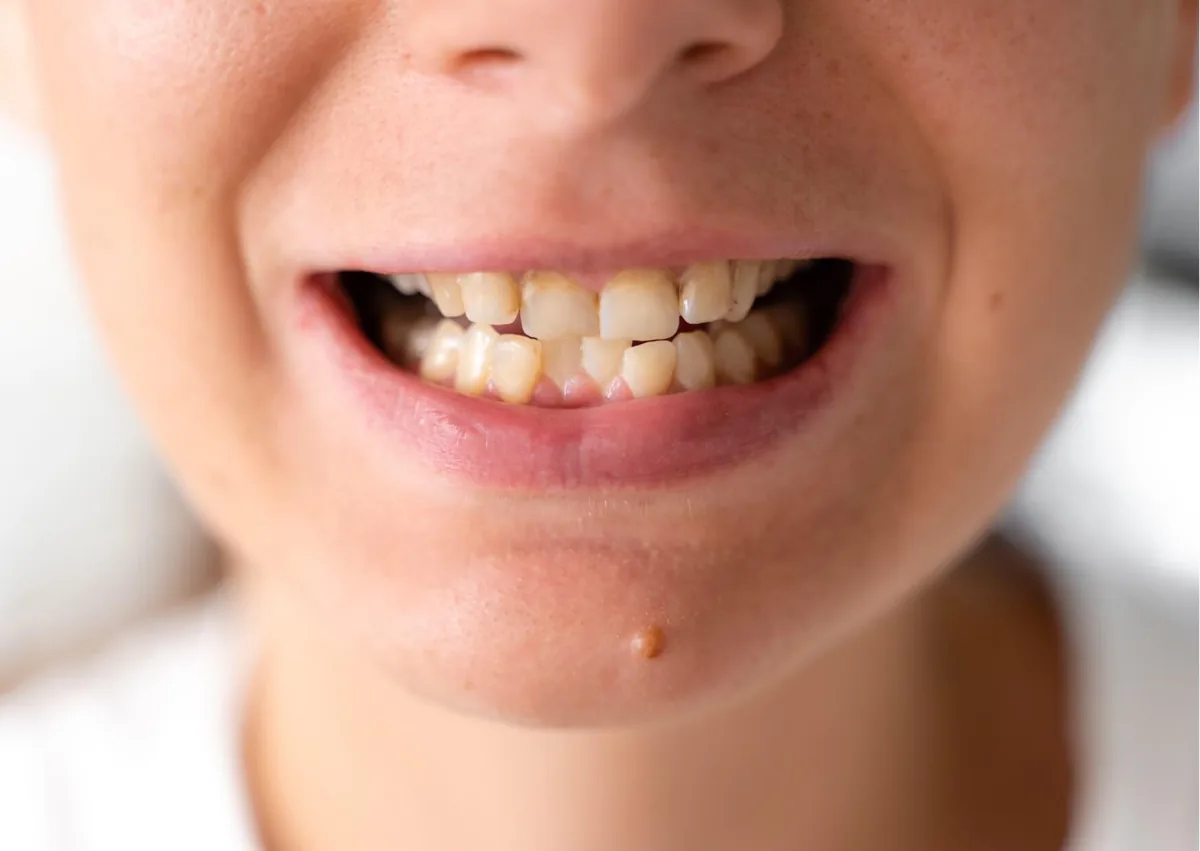
Orthodontic relapse may show up as overlapping front teeth, spaces reopening, a tooth turning, or a smile that looks less even than before. Some people notice that their bite feels different when they chew or close their teeth together.
A retainer that suddenly feels tight can be an early warning sign. If it will not fully seat, causes significant pain, or needs force to go in, do not bite it into place or keep pushing it without professional guidance.
Not every change is a simple relapse. Loose teeth, bleeding gums, swelling, gum recession, or a rapidly changing bite should be checked promptly because they can point to a dental or periodontal problem.
The right treatment depends on how far the teeth have moved, whether the bite has changed, and whether the teeth and gums are healthy. An orthodontist may review past records when available and use photos, digital scans, or X-rays if they are clinically needed.
For very small changes, a new or adjusted retainer may be enough to hold the current position or guide a minor correction. Replacement is also appropriate when a retainer is cracked, warped, loose, or no longer fits well.
A retainer cannot replace active orthodontic treatment when teeth have shifted more significantly. Trying to heat, bend, or reshape a retainer at home can damage the appliance and may harm the teeth or gums.
Clear aligners or braces can correct a small number of shifted teeth. Limited treatment is often shorter than full retreatment, but it works only when those movements will not create or worsen a bite problem.
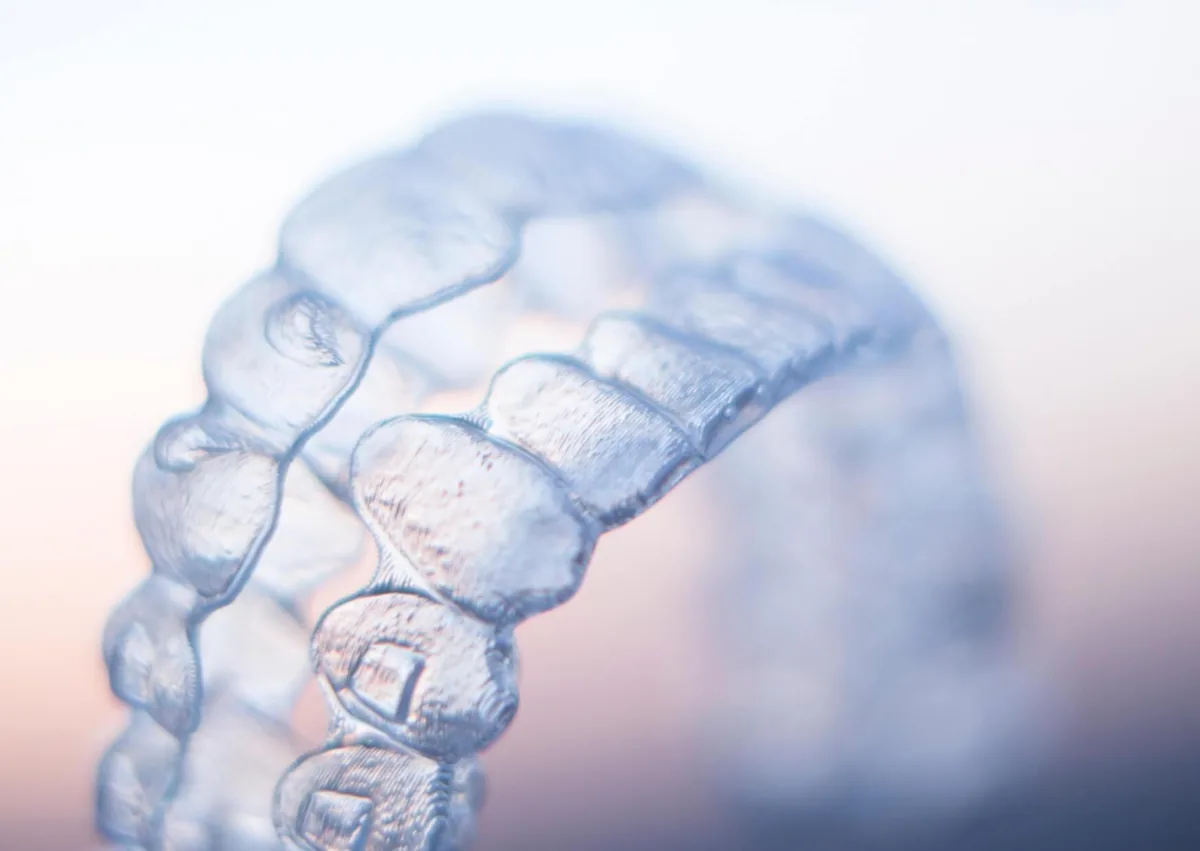
Clear aligners are removable and less noticeable, but they depend on consistent daily wear and are not ideal for every type of movement. If you want a general sense of treatment length, see how long people wear Invisalign.
Braces provide continuous control and may be more predictable for certain rotations or bite corrections. For adults who want a less noticeable fixed option, clear braces may be worth considering; if you are comparing appearance and value, read whether clear braces are worth it.
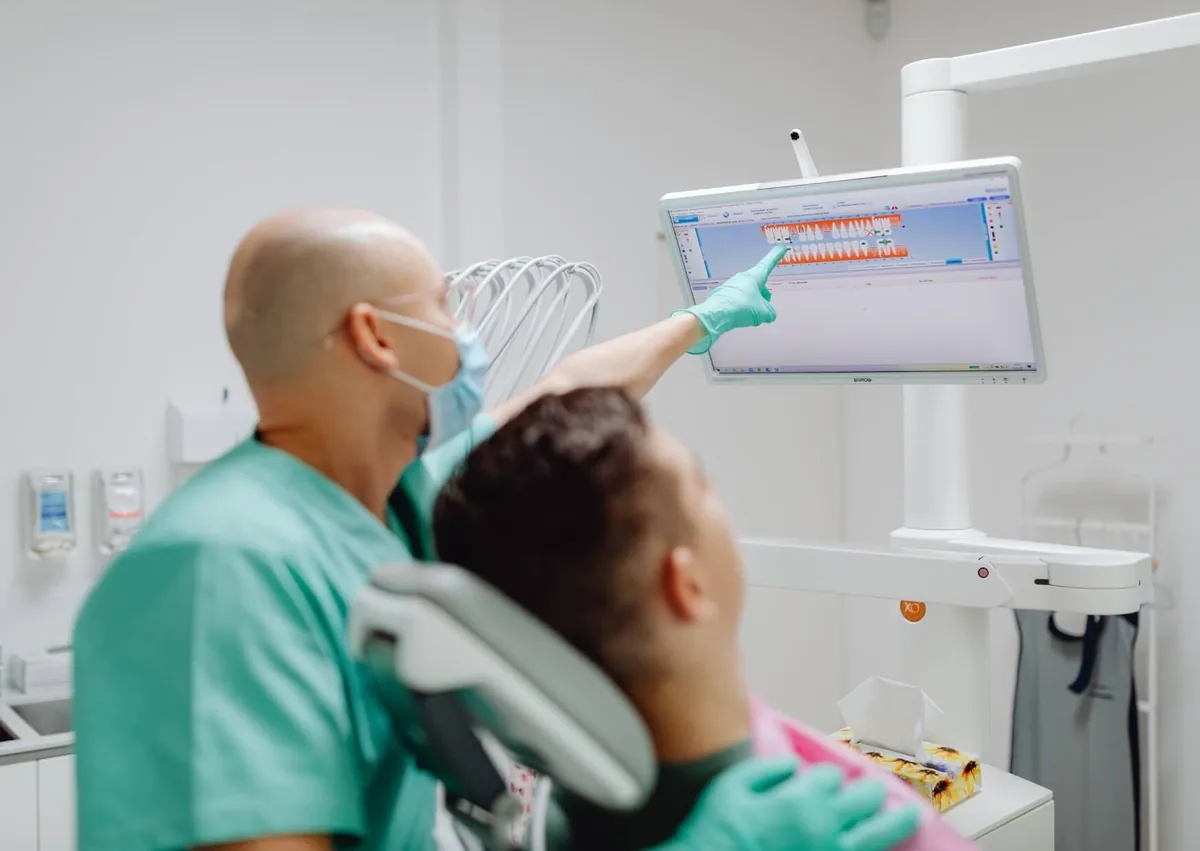
When relapse affects both alignment and bite function, comprehensive braces or aligner treatment may be the better option. This approach usually takes longer and costs more than limited correction, but it addresses the way the teeth fit together instead of only improving the visible alignment.
Before retreatment begins, cavities, gum inflammation, or periodontal disease usually need to be treated first. If you are considering retreatment as an adult, it may help to review whether adults get braces.
Specific systems such as Damon braces may be considered in some cases to improve efficiency. If you are comparing bracket options, see Damon vs. traditional braces.
A new retainer, aligner, or braces adjustment can cause pressure or tenderness for a few days. Significant pain, swelling, fever, drainage, or trouble swallowing or breathing needs prompt attention, and breathing or swallowing difficulty requires emergency evaluation.
Treatment time depends on how much relapse has occurred and whether the bite also needs correction. Minor changes may take a few months, while comprehensive retreatment can take longer.
Daily brushing, interdental cleaning, and regular dental visits help protect the teeth and gums during treatment. Aligners and removable retainers should be cleaned as directed and kept away from heat so they do not warp.
After correction, most patients need a new retention plan. That may include a removable retainer worn at night, a fixed retainer bonded behind certain teeth, or a combination of both.
Removable retainers are easier to clean outside the mouth, but they only work when worn consistently. Fixed retainers provide continuous support, though they need careful cleaning and periodic checks because the wire or bonding can loosen.
Because teeth can keep changing over time, lifelong retention is often part of maintaining orthodontic results. Regular retainer checks can catch wear, distortion, or subtle movement before correction becomes more involved.
If your retainer no longer fits, crowding or spacing is getting worse, or your bite feels different, it is a good time to schedule an evaluation. Early assessment may allow for a simpler solution.
An exam and personalized plan to stabilize your teeth can often simplify care and avoid more extensive treatment later. Call Smart Orthodontics in Charlotte, NC (also serving Harrisburg and Huntersville) for orthodontic services at (704) 549-8878 to schedule or book a visit.
An old retainer may still fit if the movement is very slight, but it should never be forced over the teeth. If it does not seat fully or causes more than mild pressure, have an orthodontist check it before you keep wearing it.
Some relapse can happen within weeks or months after retainer wear stops, especially soon after active treatment ends. Other changes develop gradually over years as teeth and supporting tissues continue to adapt.
Relapse risk can be reduced, but it cannot always be eliminated. Wearing retainers as directed, replacing damaged appliances, keeping the teeth and gums healthy, and attending follow-up visits all support long-term stability.
Not necessarily. Minor relapse may be managed with a replacement retainer or limited aligner treatment, while larger alignment or bite changes may require braces or comprehensive aligner therapy. For more detail, see need braces again.
Mild pressure can happen if there has been a small amount of movement, but sharp or significant pain is not expected. Stop forcing the retainer and get it checked if it will not fit, causes injury, or leads to persistent discomfort.
Check out Smart Orthodontics Office hours to plan your visit.