Monday & Wednesday
8:00 am - 5:00 pm
Tuesday & Thursday
7:30 am - 4:00 pm
704-549-8878
Call Us Today!
SERVICIOS EN ESPAÑOL
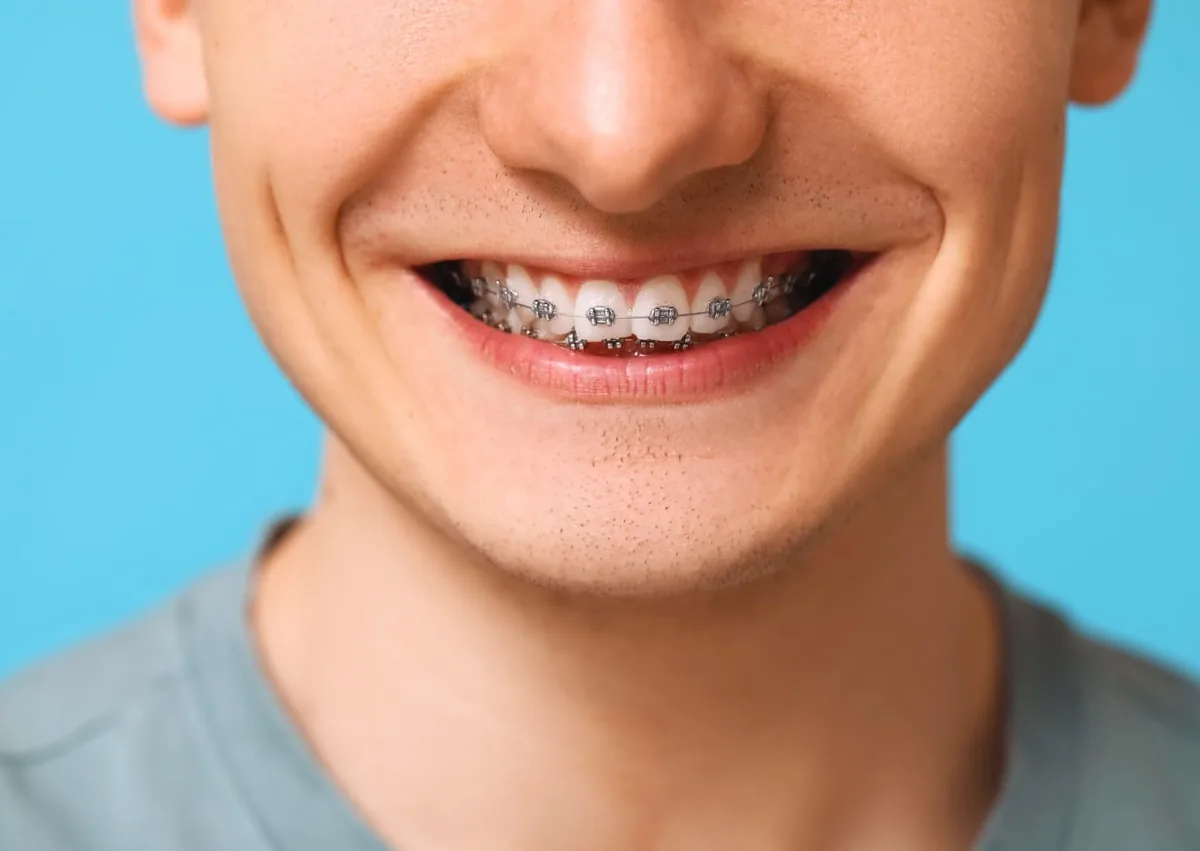
How to fix an overbite depends on what is causing it. If the issue is mostly tooth position, braces or clear aligners may correct it, while jaw-growth problems in children may respond to growth-guiding appliances and severe skeletal cases in adults may require surgery with orthodontic treatment.
If you're weighing treatment options for an overbite, a focused orthodontic services evaluation clarifies whether braces, growth appliances, or referral for surgery is likely to be the safest and most effective choice. Smart Orthodontics in Charlotte, NC provides that evaluation and clear, patient-centered guidance to help you make informed decisions.
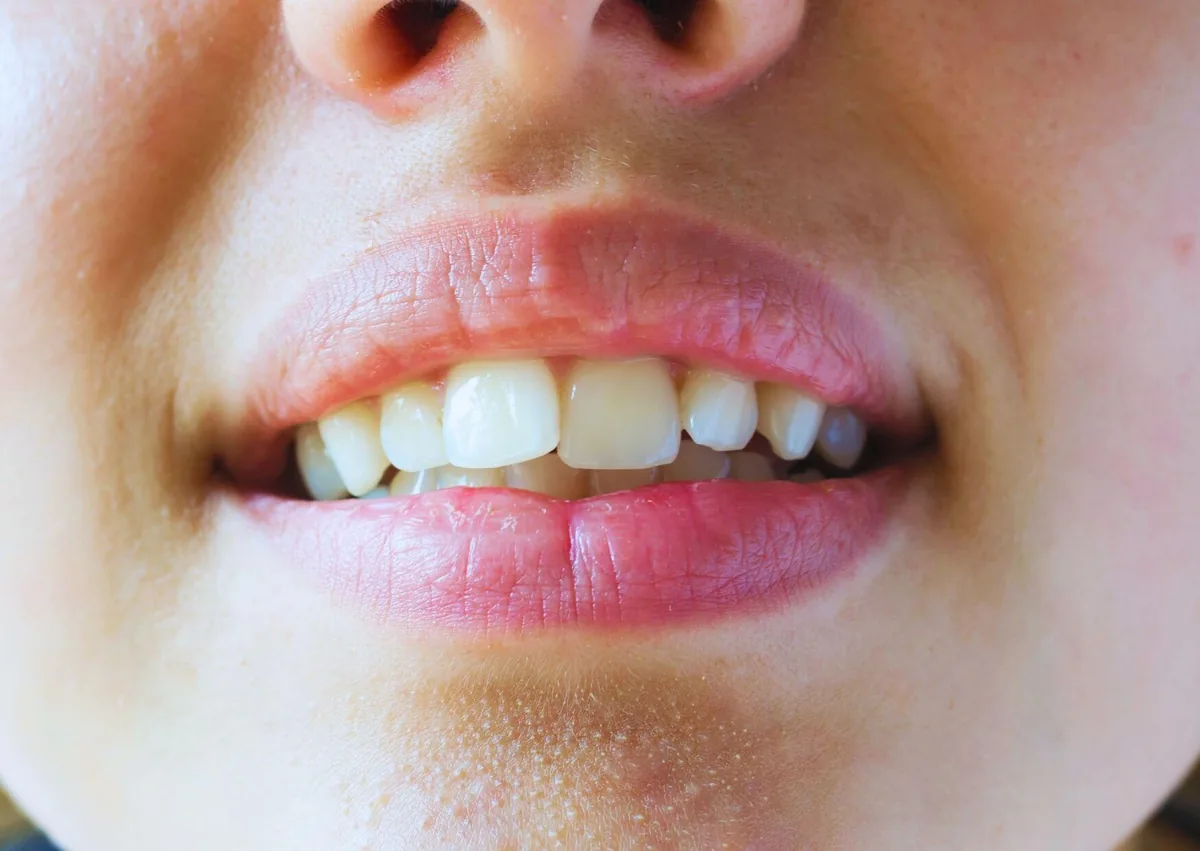
An overbite describes how much the upper front teeth vertically overlap the lower front teeth when the back teeth are together. A small amount of overlap is normal, but a deep overbite can cover too much of the lower teeth or cause the lower teeth to contact the roof of the mouth.
This is different from overjet, which refers to how far the upper front teeth project forward compared with the lower front teeth. Some people have a deep overbite, some have increased overjet, and some have both.
Common causes include inherited jaw shape, crowded or tipped teeth, missing teeth, tooth wear, and certain childhood habits. Because similar bite patterns can come from different causes, photos or at-home checks cannot show which treatment is appropriate.
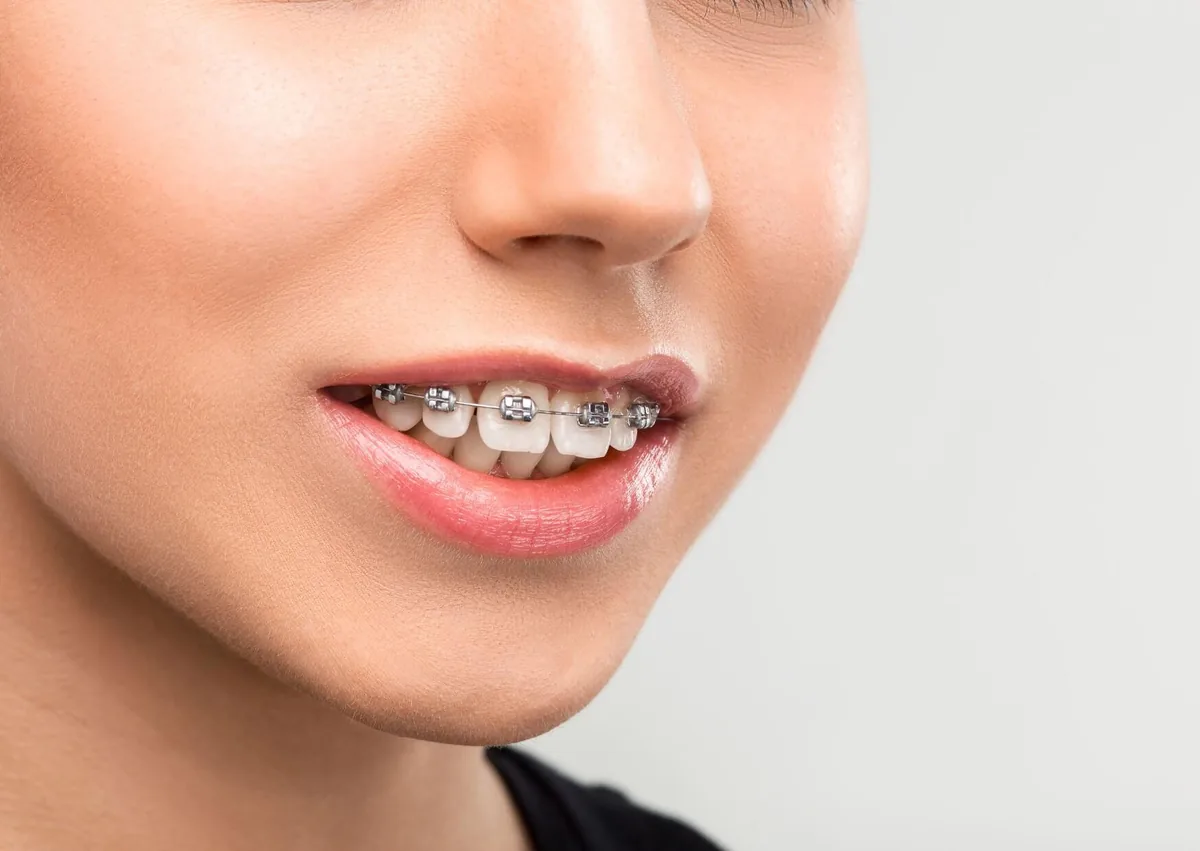
Braces are often used to correct mild, moderate, and complex overbites because they allow precise control of tooth movement. Treatment may include leveling the arches, adjusting the angle of the front teeth, and moving selected teeth to create a healthier bite.
Fixed appliance options include traditional braces, Damon braces, and clear braces for patients who want a less noticeable look. Clear aligners can correct many mild to moderate dental overbites when worn as directed, but some cases still need attachments, elastics, or other features to make the movements predictable.
The best appliance is the one that matches the cause of the bite problem, not simply the one that is least visible.
|
Treatment |
Often Considered For |
Main Tradeoffs |
|---|---|---|
|
Braces |
Simple to complex tooth movement |
Visible hardware; careful cleaning is required |
|
Clear aligners |
Selected mild to moderate cases |
Removable and discreet; usually require 20 to 22 hours of daily wear |
|
Growth-guiding appliances |
Certain jaw-growth patterns in children |
Timing matters; cooperation may be essential |
|
Jaw surgery with orthodontics |
Severe skeletal overbites after growth |
Most comprehensive correction; involves surgery and recovery |
When an overbite is related to jaw growth, moving teeth alone may not fully correct the underlying problem. In children and adolescents who are still growing, an orthodontist may use a functional or growth-guiding appliance to help guide how the jaws and teeth develop.
In adults with a significant skeletal discrepancy, orthodontic camouflage may improve tooth position without changing the jaw bones. That can help in selected cases, but it has limits in both function and facial balance.
Adults exploring treatment can review adult braces options to understand what orthodontic care may involve. For severe skeletal cases, orthodontic treatment combined with corrective jaw surgery may provide the most complete correction.
Surgery is not needed for most overbites. That decision should follow imaging, bite records, and consultation with an orthodontist and an oral and maxillofacial surgeon.
Some treatment plans create space by widening an arch, reshaping small amounts of enamel between teeth, or removing selected permanent teeth. These decisions depend on crowding, facial proportions, gum and bone support, and the amount of movement needed.
Restorative procedures such as bonding, veneers, or crowns can change tooth shape, but they usually do not correct an unhealthy bite relationship. They may be useful after orthodontics if worn, chipped, or unusually shaped teeth also need repair.
Orthodontic treatment often causes temporary pressure or tenderness after appliances are placed or adjusted. Soft foods and careful brushing can help during the first few days, while broken appliances, sharp wires, or persistent sores should be reported to the treating office.
Treatment time depends on age, severity, biology, and cooperation. Many comprehensive cases take about 12 to 30 months; our article on how long braces take explains this in more detail, though limited treatment may be shorter and surgery-based care may take longer.
Daily cleaning matters throughout treatment because braces and attachments can trap plaque. Patients should follow personalized instructions for brushing, flossing, appliance wear, regular dental visits, and food restrictions.
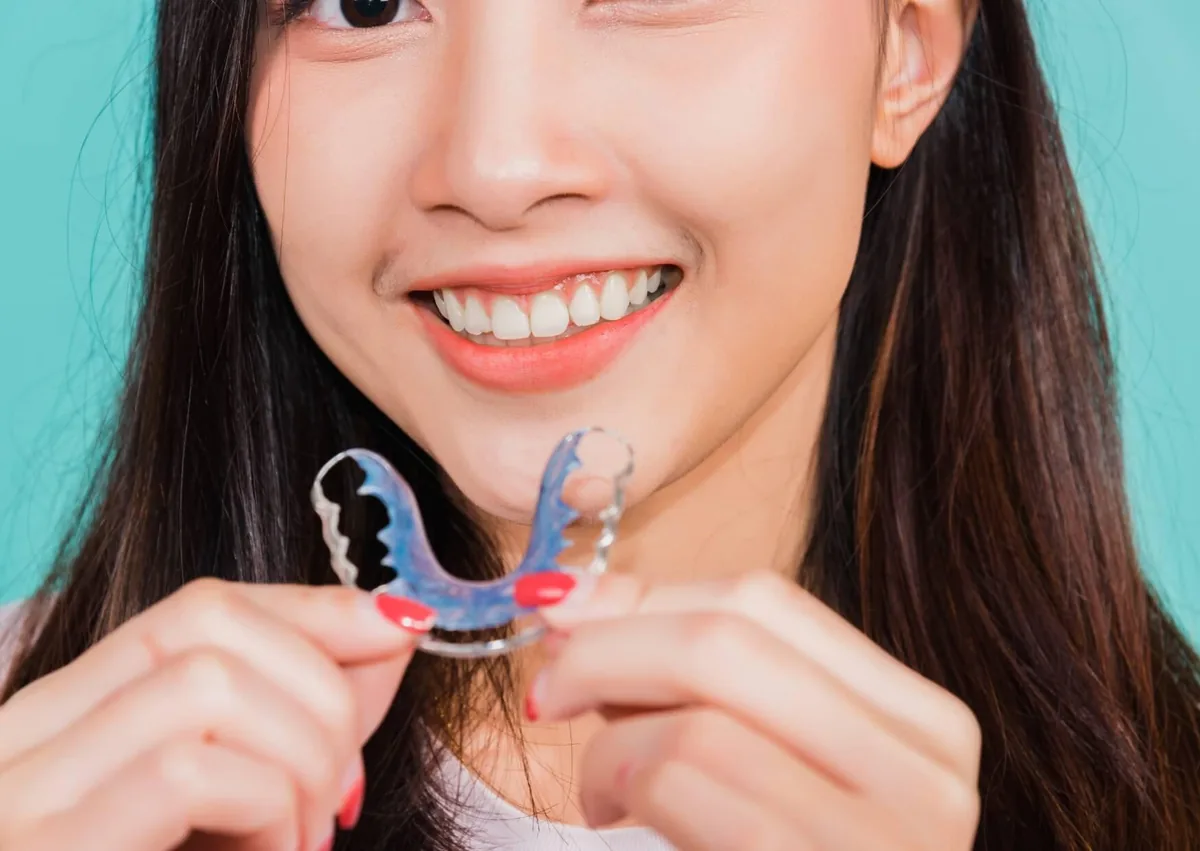
Teeth can shift after active treatment because the surrounding bone and gum fibers need time to adapt. Retainers help hold the correction, and many patients need long-term nighttime retainer wear.
A fixed wire behind the teeth, a removable retainer, or both may be recommended. If a retainer feels unusually tight, no longer fits, or breaks, it should be checked rather than forced into place.
Long-term stability also depends on the original bite problem, continued jaw growth, tooth wear, gum health, and habits such as clenching. Regular dental visits help monitor the teeth, gums, and retainers over time.
Treating a significant overbite may reduce trauma to the gums or roof of the mouth, uneven tooth wear, chipping, and cleaning difficulty in crowded areas. It may also improve chewing and smile appearance, although results depend on the cause and severity.
Not every overbite needs treatment. A mild overbite may simply be monitored if it is stable, comfortable, and not damaging teeth or soft tissue.
An evaluation becomes more important when the overlap is worsening, teeth are wearing or breaking, the lower teeth bite into soft tissue, or chewing and speech are affected. Seek urgent dental care after facial trauma or for swelling, fever, uncontrolled bleeding, a displaced tooth, or trouble breathing or swallowing.
To confirm whether braces, clear appliances, or growth-guiding options will address your overbite, a prompt in-office orthodontic assessment identifies the cause and outlines a practical treatment plan. Call Smart Orthodontics for orthodontic services in Charlotte, NC and nearby Harrisburg or Huntersville to book an appointment: (704) 549-8878.
Some overbites can be treated with clear aligners, and selected growing children may use other orthodontic appliances. Severe jaw-related cases may need surgery along with orthodontic treatment, while cosmetic dental work alone usually cannot correct the bite.
No safe home method can predictably move teeth or jaws into a healthy position. Unsupervised treatment can miss gum disease, bone limitations, impacted teeth, or jaw problems that affect safety and results.
An overbite can be treated at many ages, but some jaw-growth problems are easier to address while a child is still growing. The American Association of Orthodontists recommends an orthodontic checkup by age 7, though that does not mean treatment starts at that age.
For a deeper discussion, see our article on the best age for braces.
Some movement is possible because teeth naturally shift over time. Consistent retainer use and follow-up care greatly improve the chances of maintaining the correction.
No. A small vertical overlap is normal, and treatment is usually considered when the bite damages teeth or soft tissue, affects function, is likely to worsen, or creates an appearance concern the patient wants to address.
Check out Smart Orthodontics Office hours to plan your visit.