Monday & Wednesday
8:00 am - 5:00 pm
Tuesday & Thursday
7:30 am - 4:00 pm
704-549-8878
Call Us Today!
SERVICIOS EN ESPAÑOL
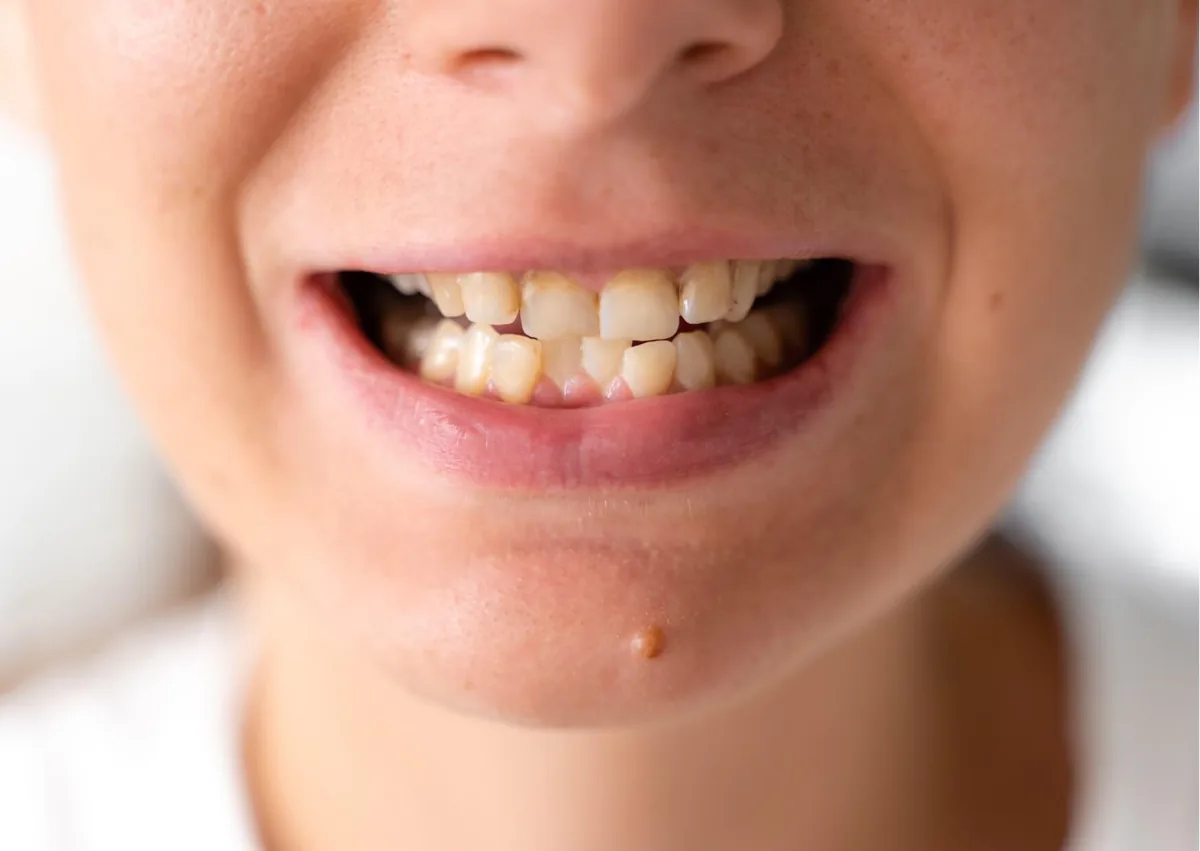
A crossbite is a bite problem where one or more upper teeth close inside the lower teeth instead of slightly outside them. It can affect the front teeth, back teeth, one side, or both sides, and it may lead to uneven wear, gum irritation, chewing problems, or jaw strain if it is not addressed.
If a crossbite or uneven bite is affecting chewing, tooth wear, or jaw comfort, our orthodontic services can help determine whether monitoring or treatment makes the most sense. At Smart Orthodontics in Charlotte, NC, we explain practical options, likely timelines, and expected results so you can make an informed decision with confidence.
In a healthy bite, the upper teeth usually rest slightly outside the lower teeth. With a crossbite, that relationship is reversed in at least one area.
This can make the jaw shift forward or to one side when closing. Over time, that shift may place extra stress on certain teeth, gums, and jaw joints.
An anterior crossbite affects the front teeth. A posterior crossbite affects the premolars or molars and may appear on one side or both sides.
A crossbite is not the same as an underbite, though they can look similar. An underbite usually involves most or all of the lower front teeth sitting ahead of the upper front teeth, while a crossbite may involve only a few teeth or one section of the arch.
Some crossbites are easy to notice at home, while others are found during a dental or orthodontic exam. Common signs include:
Crossbites can develop for several reasons. Common causes include inherited jaw-size differences, crowded or displaced teeth, delayed baby-tooth loss, and unusual eruption of permanent teeth.
Certain habits and growth patterns may also play a role. Thumb-sucking and chronic mouth breathing related to airway issues can be associated with a narrower upper jaw in some patients.
A crossbite may be dental, skeletal, or both. A dental crossbite mainly involves tooth position, while a skeletal crossbite involves the size or relationship of the upper and lower jaws.
A crossbite evaluation looks at how the teeth fit together and whether the jaw shifts during closure. The orthodontist also checks for signs of stress such as enamel wear, gum recession, or uneven muscle function.
X-rays, photos, digital scans, or impressions may be used to study tooth position, root support, jaw relationships, and available space. This helps show whether the problem is mostly dental, mostly skeletal, or a combination of both.
That distinction matters because treatment timing and appliance choice can be very different. A child with a narrow upper jaw may benefit from growth-based treatment, while an adult with a severe skeletal issue may need a different approach.
Crossbite treatment depends on age, severity, which teeth are involved, and whether the jaws are still growing. The right plan also depends on whether the issue is caused by tooth position, jaw structure, or both.
A palatal expander gradually widens a narrow upper jaw. Expansion is often most predictable in children and younger adolescents because the upper jaw is still developing, though some adults may be candidates for selected expansion methods.
Expanders often create pressure or tightness at first. Speech, chewing, and saliva flow may feel different for a short time, and the appliance usually stays in place after active expansion so the bone can stabilize.
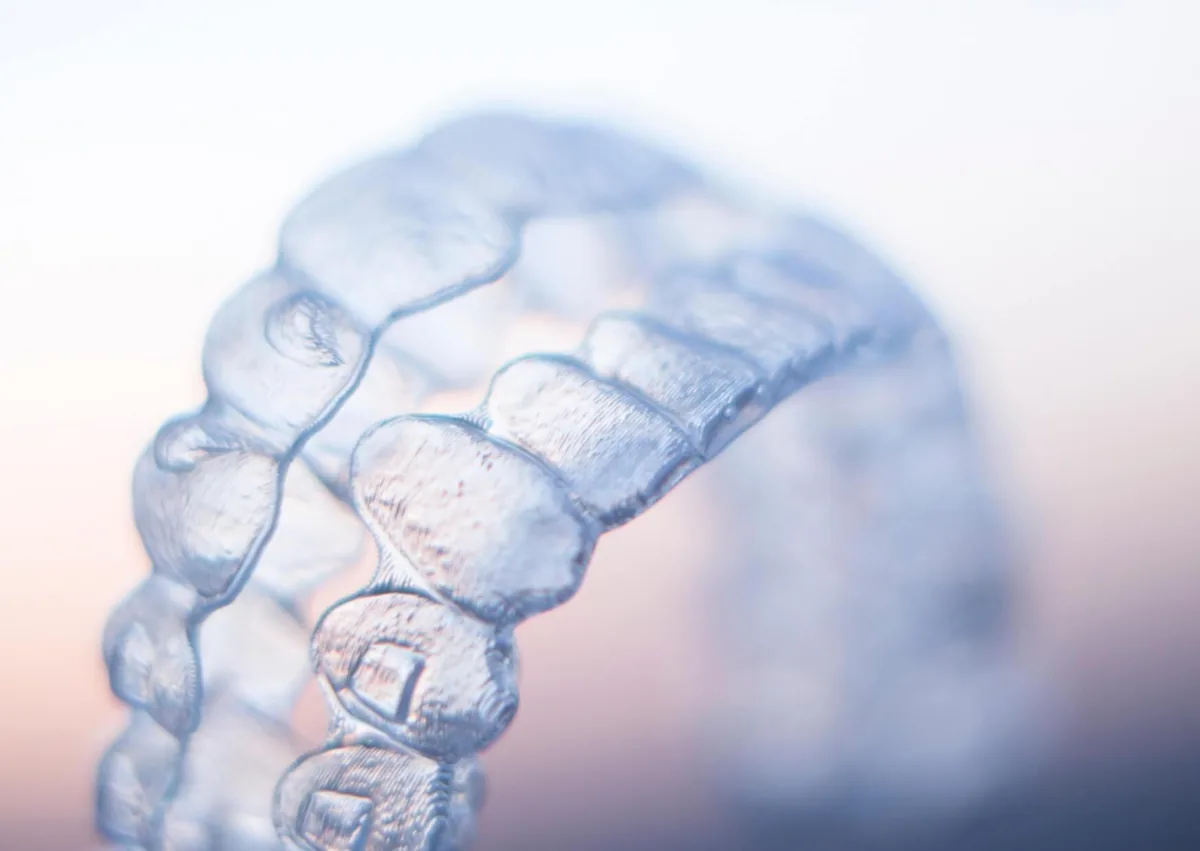
Braces can move teeth into better alignment, coordinate the arches, and correct many dental crossbites. Clear aligners can also work in selected cases, sometimes with attachments or elastics for better control.
Aligners are removable and less noticeable, but they only work well when worn as directed. Braces apply continuous force and may offer better control for certain movements. Learn more about how braces work.
Some patients may also consider Damon braces as a self-ligating bracket option in select cases. Clear braces can be a less noticeable fixed-bracket choice for patients who want a more discreet look.
A limited crossbite may be treated with smaller appliances, bite ramps, or elastics. In more complex cases, treatment may also involve space management, eruption guidance, or care for an impacted tooth.
Adults with a significant skeletal crossbite may need orthodontic treatment combined with jaw surgery. Surgery is usually reserved for cases where tooth movement alone cannot create a stable or functional result.
Most orthodontic treatment causes pressure or soreness rather than sharp pain. Tenderness is common after an appliance is placed or adjusted, and it usually improves as the mouth adapts.
Severe pain, major swelling, a broken appliance causing injury, or trouble breathing or swallowing should be evaluated promptly. Those symptoms are not typical of routine orthodontic discomfort.
Early evaluation can widen treatment options, especially when a child has a narrow upper jaw or a noticeable jaw shift when biting. In some cases, treatment starts during growth, while in others, monitoring is the better choice until the timing is right.
Daily brushing and flossing are especially important during treatment because appliances can trap food and plaque. After active treatment, retainers or another stabilization method are usually needed to help maintain the correction.
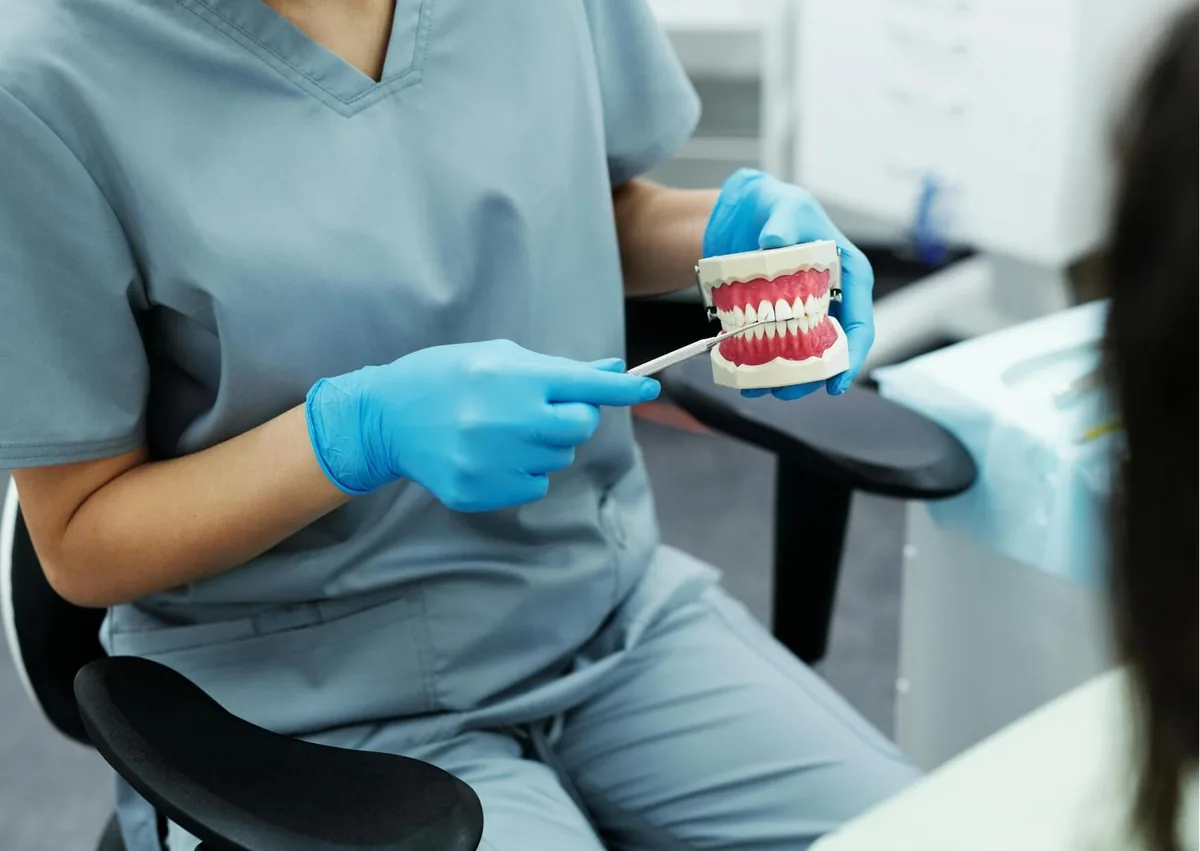
Correcting a crossbite may improve chewing, spread bite forces more evenly, and reduce the risk of localized enamel wear or gum recession. In growing patients, timely treatment may also support a more balanced jaw relationship, though results depend on the type and severity of the problem.
Schedule a dental or orthodontic evaluation with our orthodontic services if the bite looks uneven, the jaw shifts during closure, or there is ongoing discomfort, wear, recession, or trouble chewing. A professional exam can show whether treatment is needed now, should be monitored, or can be managed with a specific orthodontic plan.
To determine whether a palatal expander, braces, or other approach is right for your crossbite, arrange an evaluation to get a personalized plan and timeline. Call Smart Orthodontics for orthodontic services in Charlotte, NC and nearby Harrisburg or Huntersville at (704) 549-8878 to schedule an appointment.
A crossbite usually does not correct itself in a reliable way. Even if the bite changes as a child grows, an untreated crossbite can allow uneven wear or a jaw shift to continue, so it should be evaluated.
Children should have regular dental exams from an early age, and the American Association of Orthodontists recommends an orthodontic checkup by age 7. A child should be checked sooner if the jaw shifts when biting, the teeth meet in reverse, or chewing looks uneven. See our article on the best age for braces.
Yes. Depending on the cause and severity, adults may be treated with braces, clear aligners, expansion methods, or a combination of orthodontics and jaw surgery. Learn more about whether adults get braces.
Some untreated crossbites stay fairly stable, while others contribute to tooth wear, gum recession, chewing difficulty, jaw strain, or increasing asymmetry. An exam is the best way to understand the likely risks of monitoring versus treatment in your specific case.
A crossbite itself is usually not an emergency. Seek urgent dental or medical care for major facial trauma, uncontrolled bleeding, rapidly increasing swelling, severe pain, or trouble breathing or swallowing.
Check out Smart Orthodontics Office hours to plan your visit.